
Piperine in black pepper and the bioavailability of curcumin
Piperine greatly raises blood curcumin levels, but the same mechanism also changes how many drugs are metabolised.

Analyses based on published research, with cell, animal and human data clearly separated.
Piperine greatly raises blood curcumin levels, but the same mechanism also changes how many drugs are metabolised.
Curcumin does many things in laboratory experiments, but the clinical evidence is modest. This article separates what we know at the level of cells, animals and people.
Six questions that help you tell a trustworthy trial from one that only looks scientific.
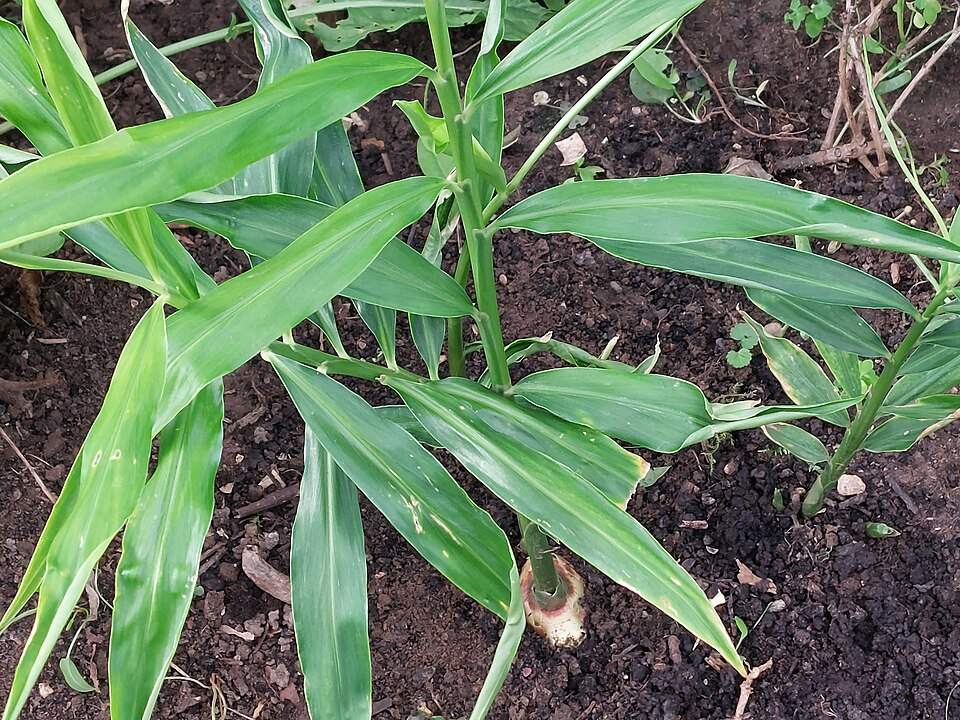
Gingerol and shogaol act on the 5-HT3 and TRPV1 receptors. The best clinical evidence is for nausea in pregnancy.
Herbs are mixtures of many active compounds and can change the levels or effects of prescription drugs. The plant that most often causes interactions is St John's wort.
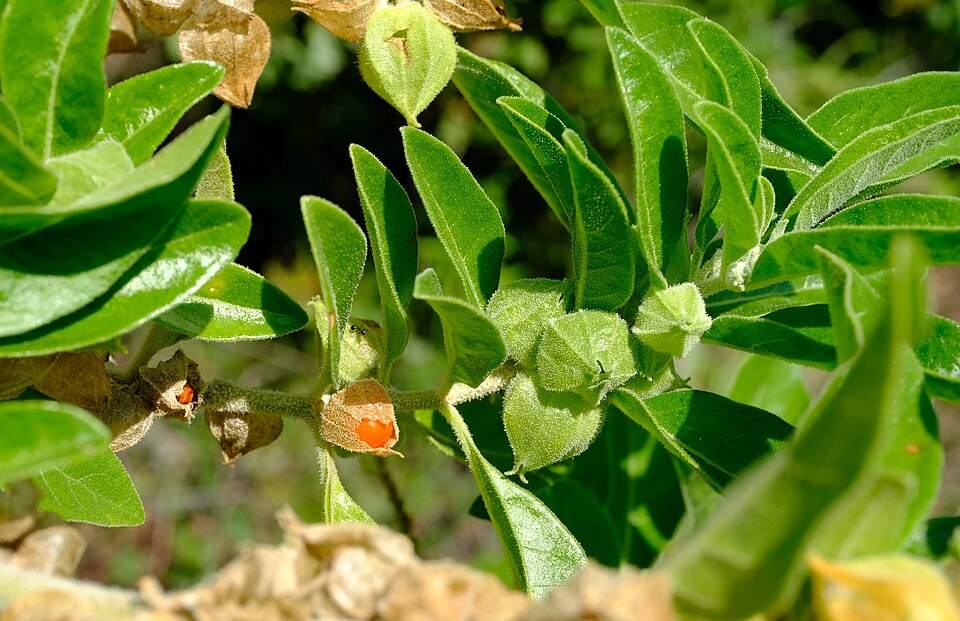
Randomised trials on stress and anxiety give encouraging signals, but they are small, short and easily biased. There are warnings about liver injury.
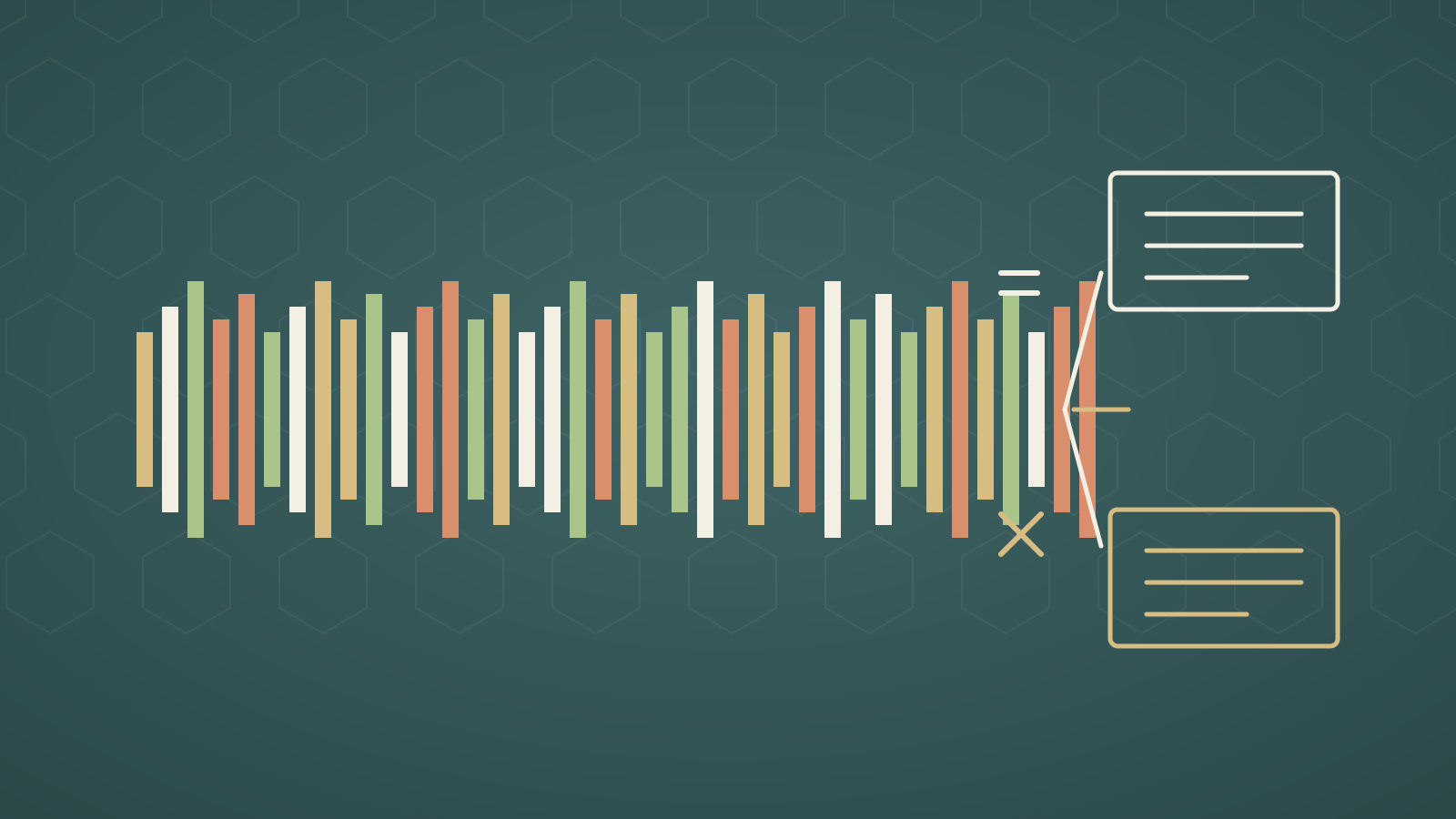
A DNA barcoding study of herbal products in North America found that many contained species that were not on the label. The result is valuable, but it has limitations.
Ginger, black elderberry and echinacea are often combined. This article explains how far the evidence goes for each ingredient and how to prepare the tea safely.
Processing changes the active constituents of ginger. Fresh ginger is rich in gingerol, while dried ginger and ginger cooked for a long time are rich in shogaol.
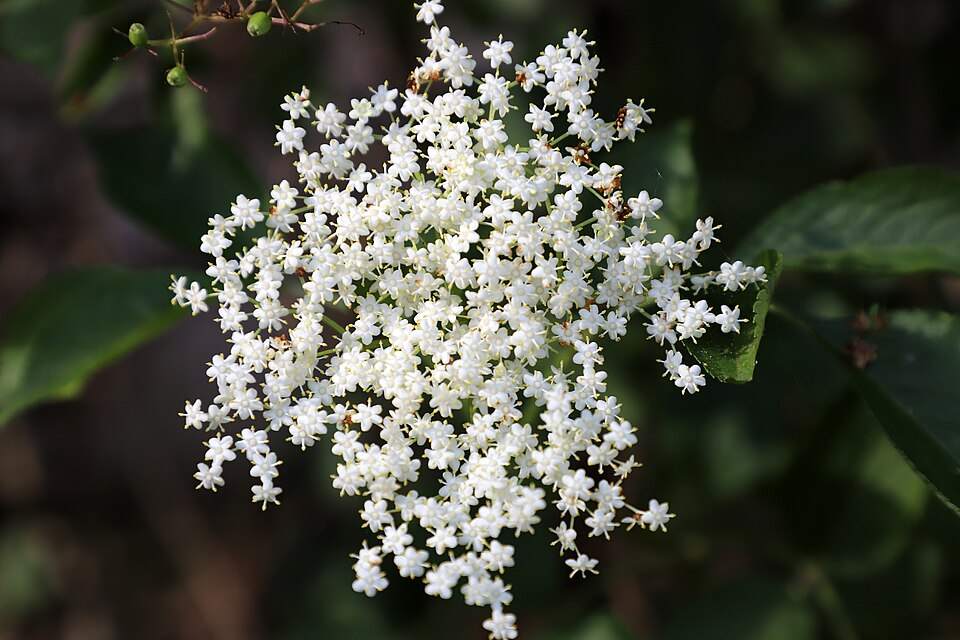
The raw berries, leaves, stems and seeds of black elderberry contain cyanogenic glycosides. Cooking reduces the risk of poisoning.
There are very few safety data on most herbs in pregnancy. The general rule is to avoid them until there is evidence that they are safe.
Anthocyanins are the pigments of berries. They are strong antioxidants in vitro, but very little is absorbed intact.
With subjective outcomes such as pain, nausea and anxiety, the placebo group often improves. A trial without a placebo group therefore cannot tell us whether a product works.
A simple traditional recipe, with a calculation showing that the curcumin in a cup is far below the dose used in trials.
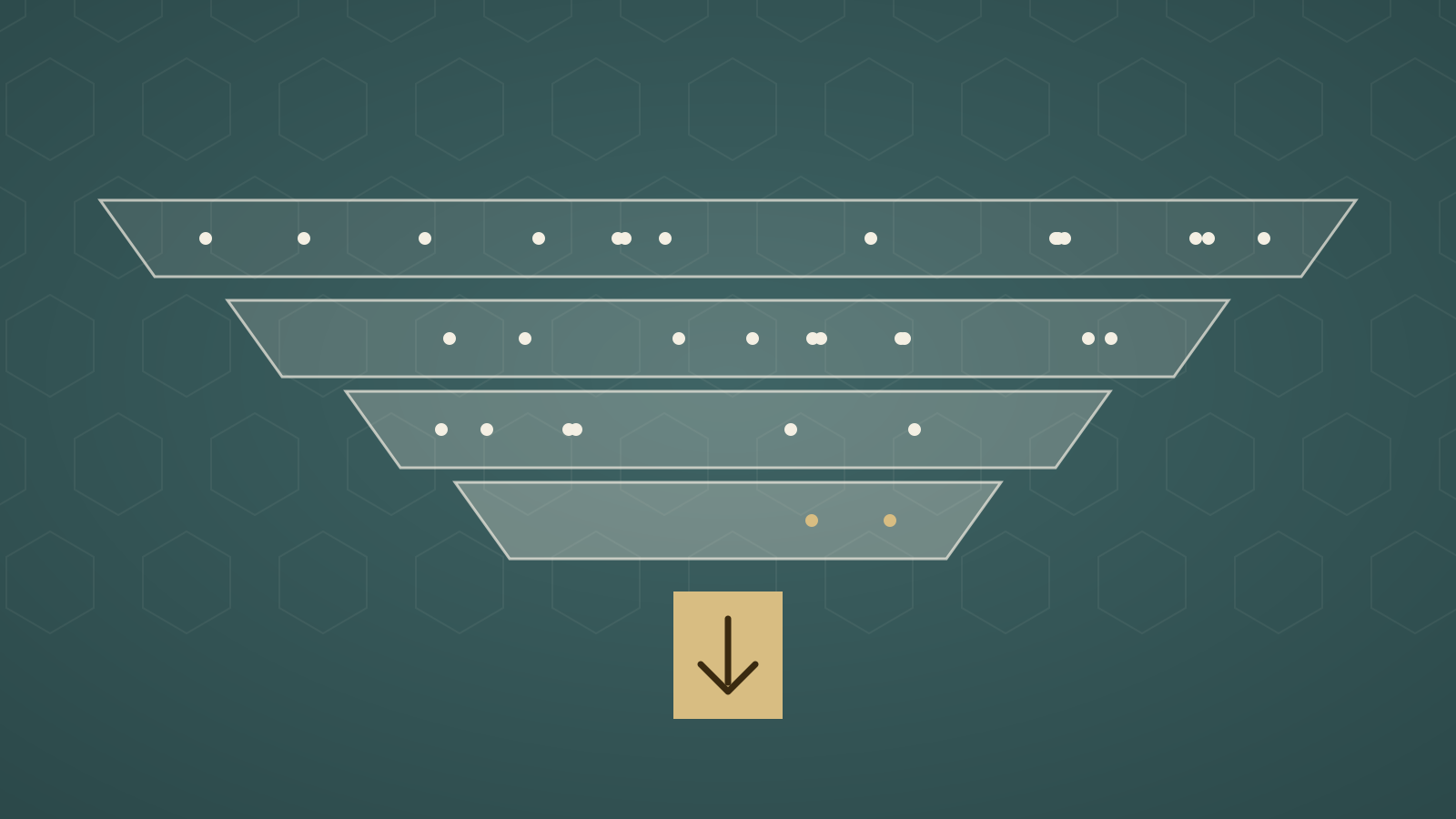
Only about 1 in 10 drugs that enter clinical trials is approved. For herbs the gap is even wider, because the concentrations used in vitro are rarely reached in people.

The STEP trial, published in the New England Journal of Medicine, and a Cochrane review found saw palmetto extract no better than placebo.
Two large trials, ATBC and CARET, showed that high-dose β-carotene capsules raise the risk of lung cancer in smokers.
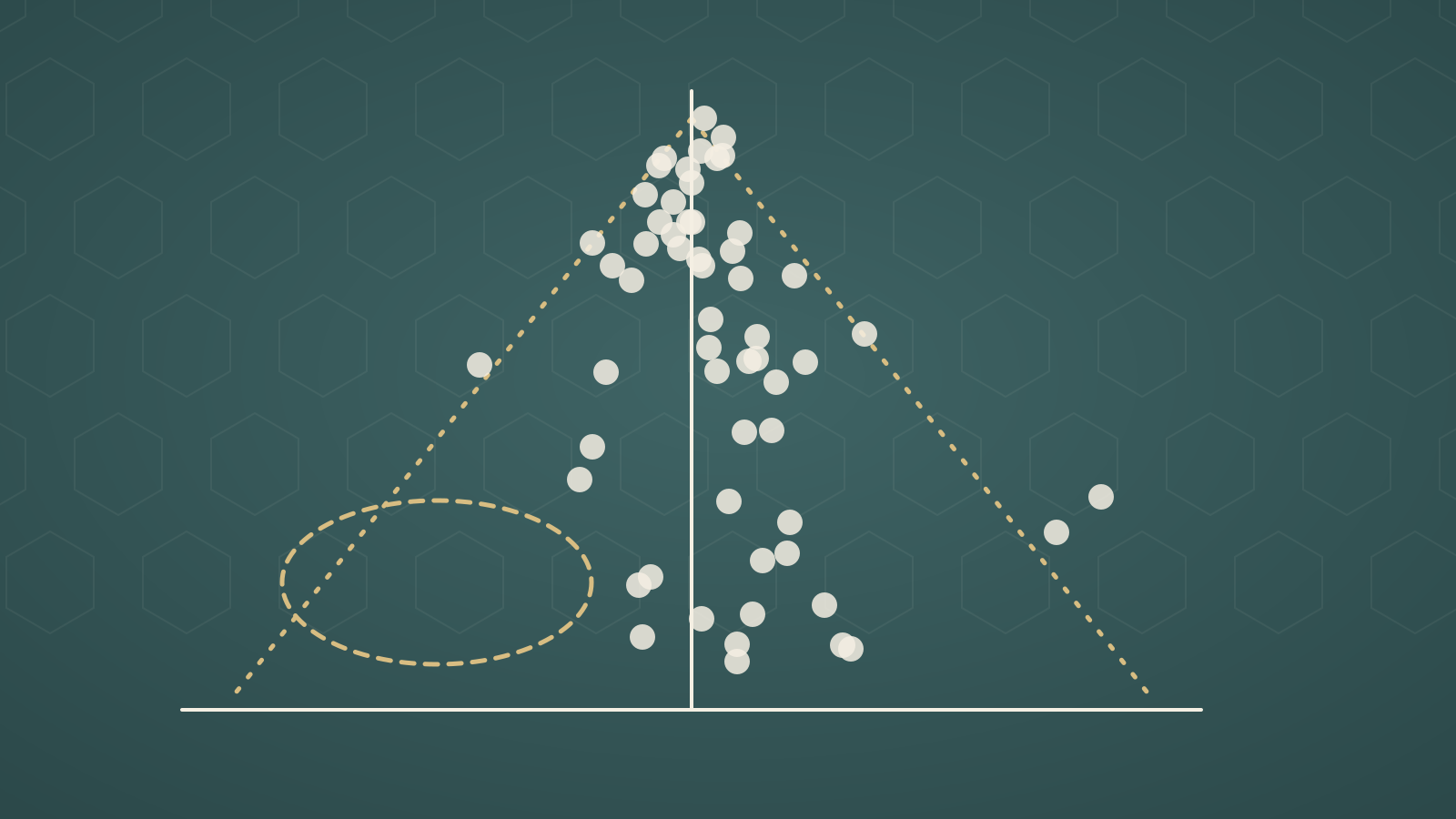
Positive results are published more readily than negative ones, so systematic reviews overestimate how well things work.
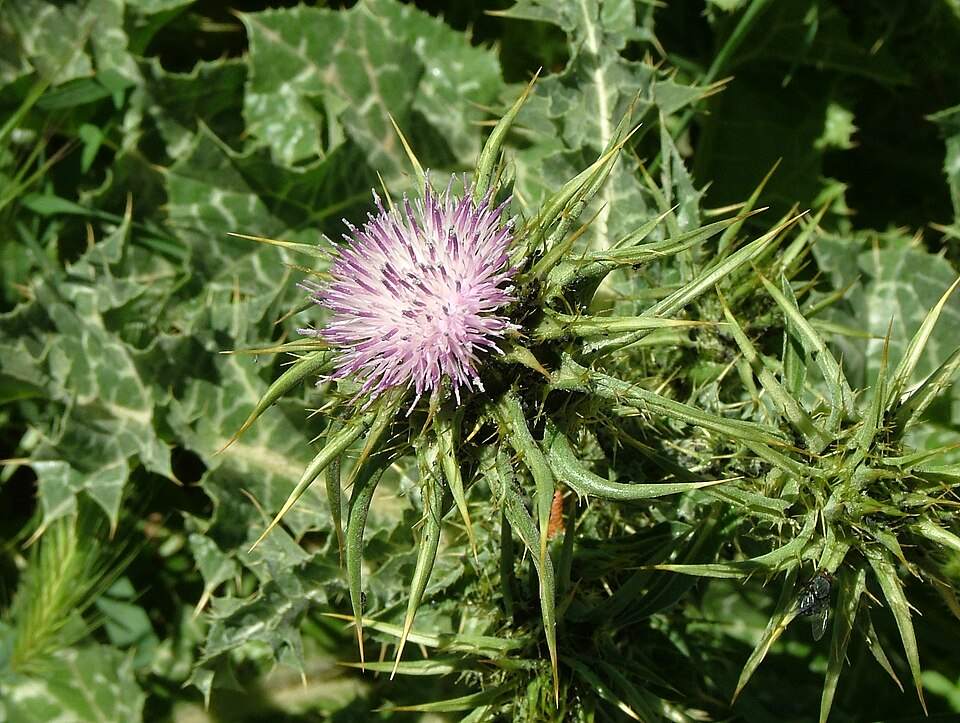
Silymarin is widely used for liver disease, but high-quality trials found no reduction in deaths or liver events.
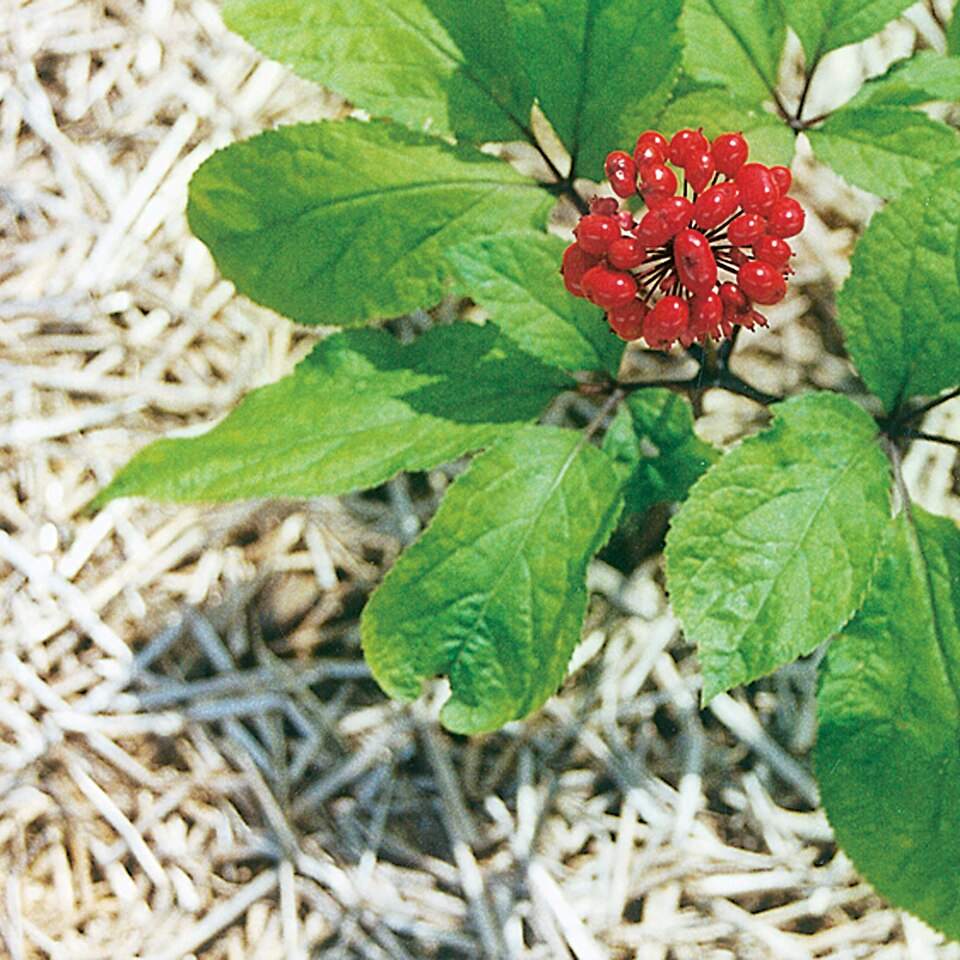
The Cochrane review found no strong enough evidence that ginseng improves cognition.
Warm ginger–lemongrass tea is a familiar drink. Ginger has evidence for nausea; lemongrass is mainly about flavour.
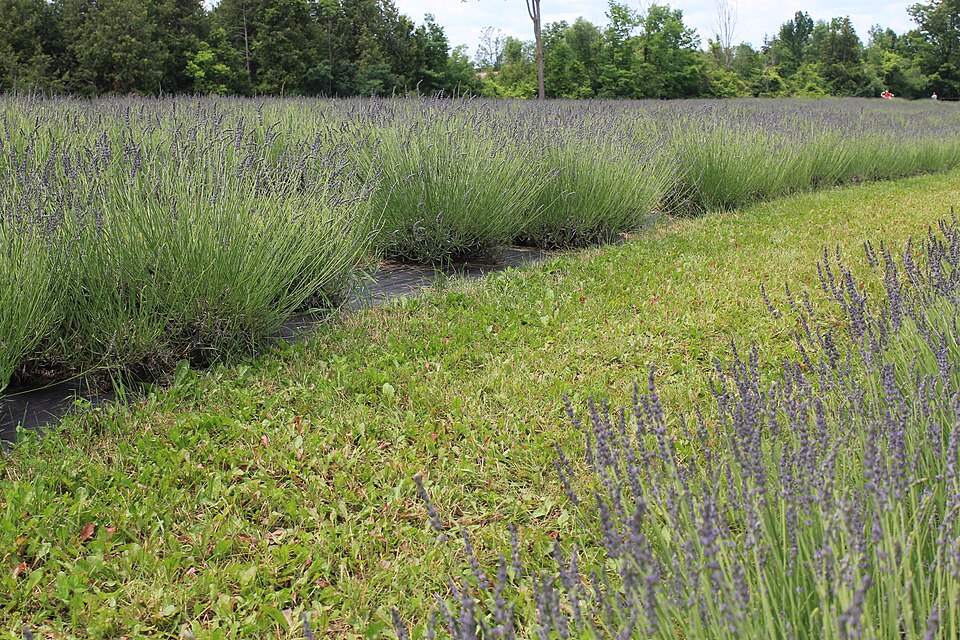
A standardised oral lavender product gives positive results in controlled trials, but the funding and the scope need to be read carefully.
Lavender oil is for diffusing, to be diluted when applied to the skin, and never to be swallowed undiluted. A standardised oral product is a different thing.
Piperine boosts the absorption of curcumin, and capsaicin activates the heat receptor. The amount of spice in a meal is far below the doses used in trials.
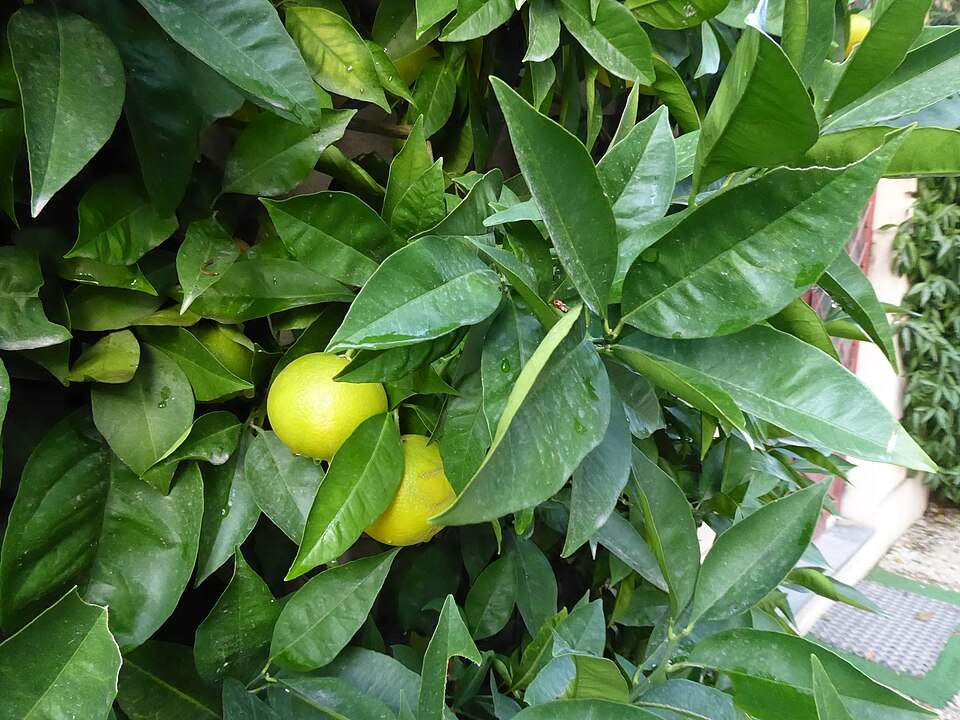
Citrus peel is rich in hesperidin and limonene oil. Brewing it as tea is the traditional use, and there are few clinical data on the tea.
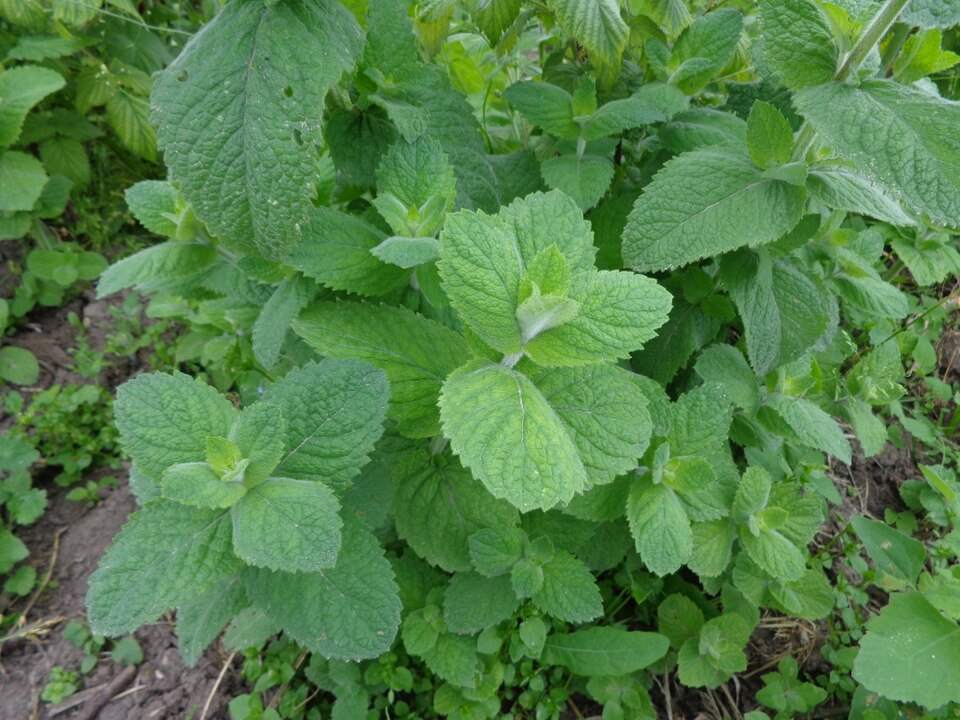
The evidence in irritable bowel syndrome is for enteric-coated oil capsules, not for leaf tea.
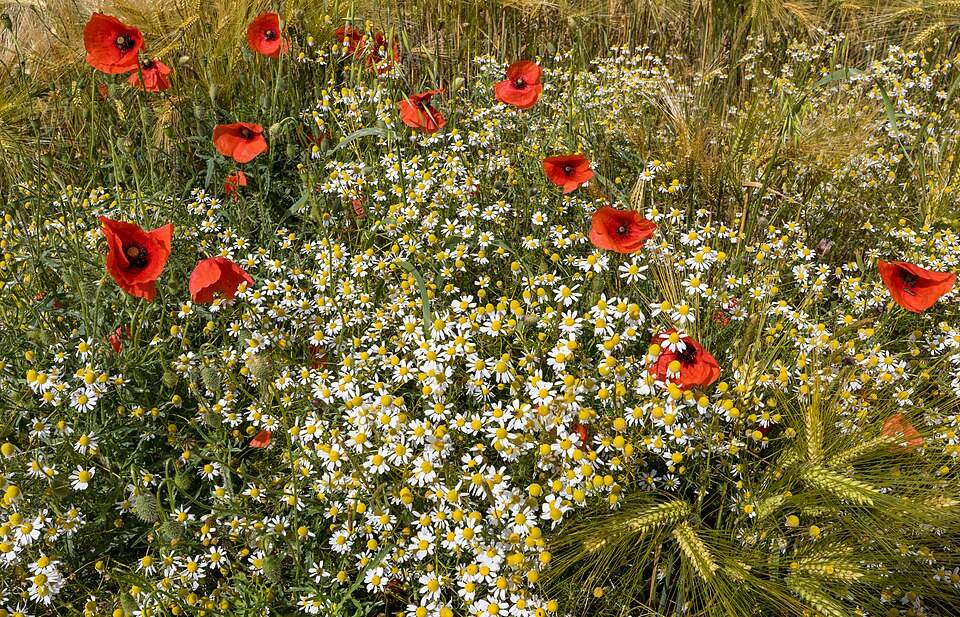
Chamomile tea is a safe way to wind down for most people, but the evidence that it improves sleep is weak.

A 2023 Cochrane review found that cranberry may lower the risk of urinary tract infection in some groups, but it does not treat an infection that is already under way.
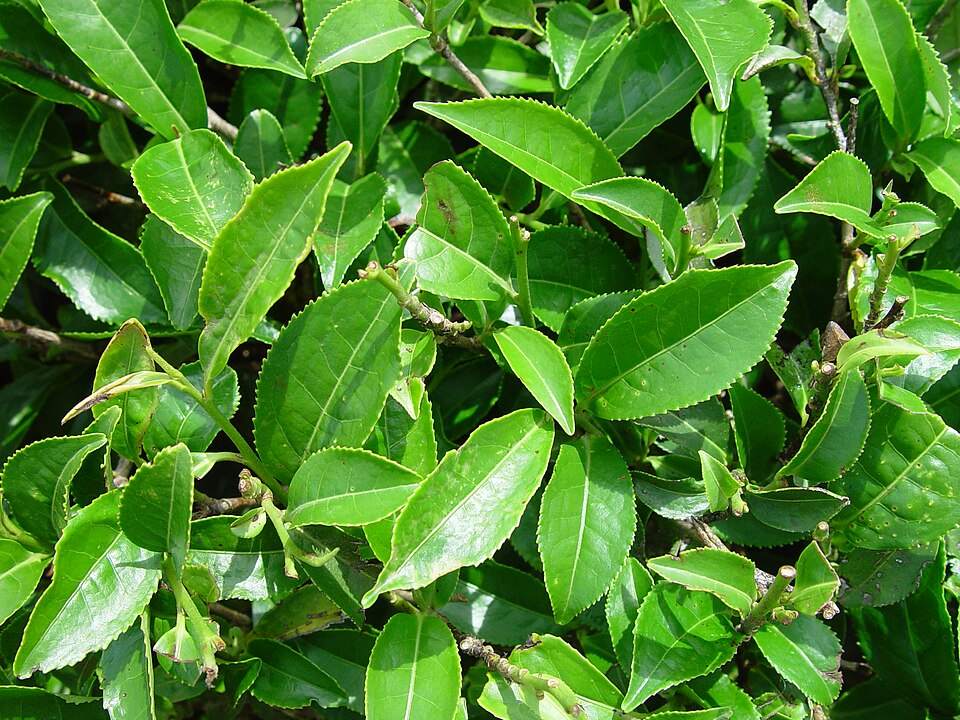
EFSA considers that healthy adults can have up to 400 mg of caffeine a day with no safety concern, and 200 mg in pregnancy.
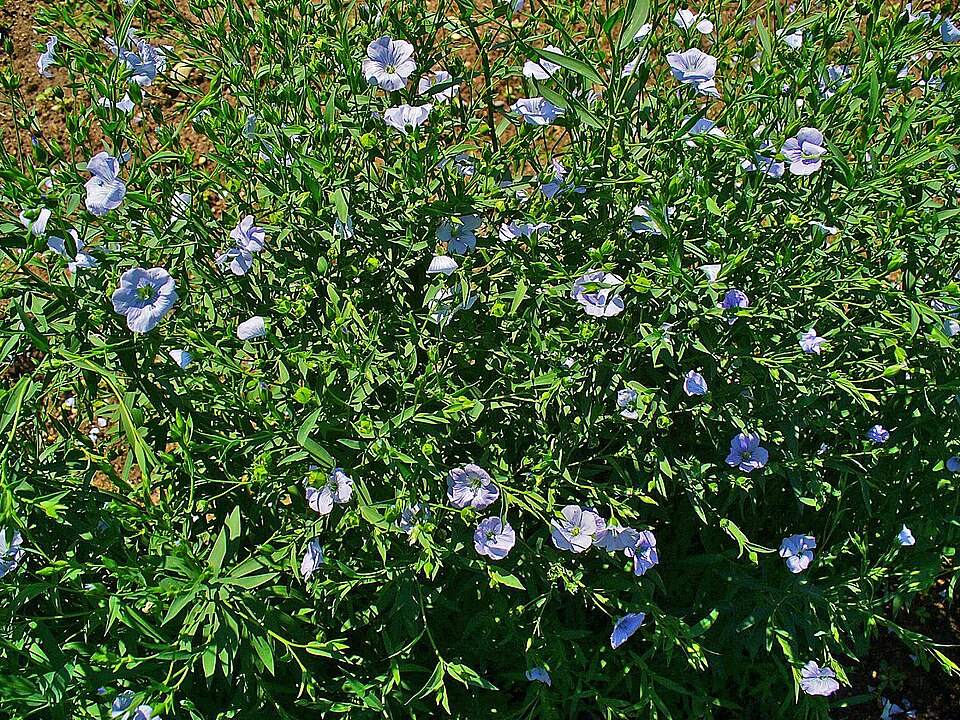
Ground flaxseed supplies ALA, lignans and fibre. Whole seeds often pass through the gut undigested.
Drinking tea is safe in ordinary amounts. High-dose EGCG capsules, especially when taken on an empty stomach, have been linked to raised liver enzymes.
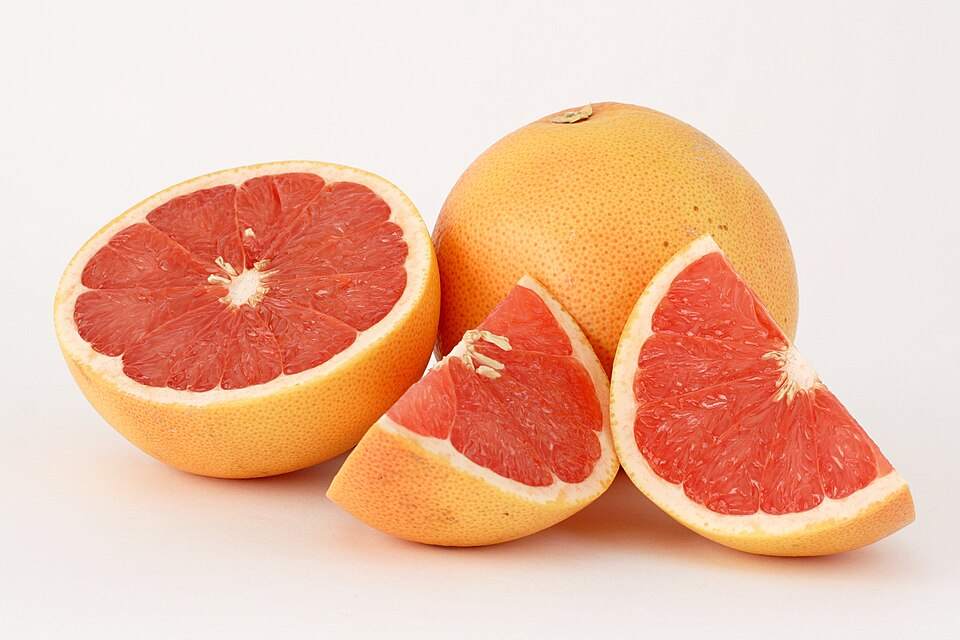
Furanocoumarins in grapefruit inhibit intestinal CYP3A4 for days and raise the levels of many drugs, such as some statins and calcium channel blockers.
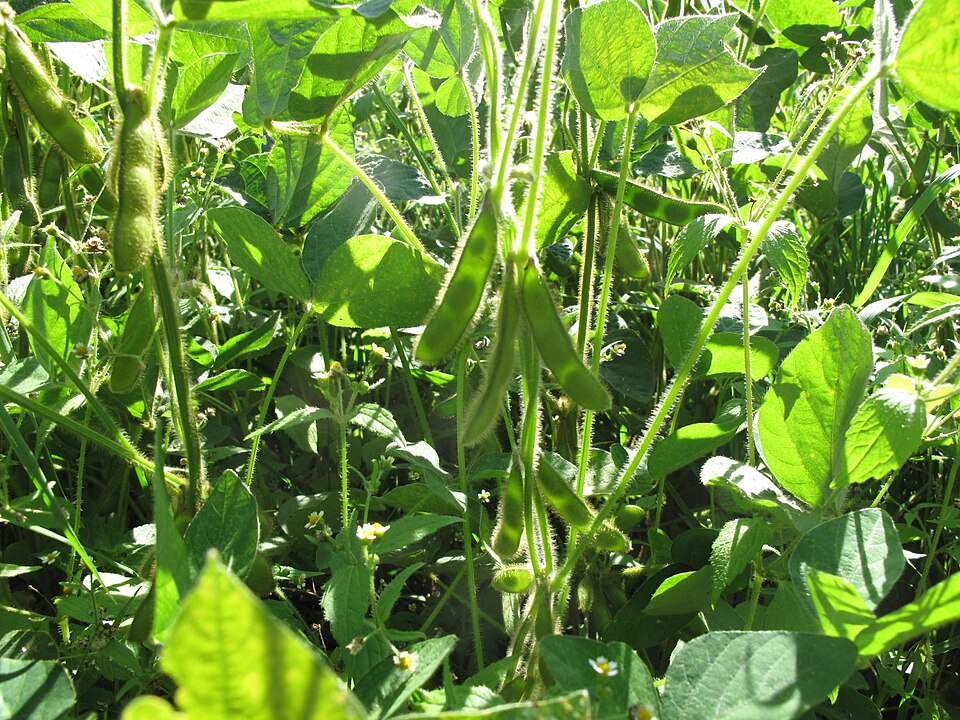
Soy foods are safe in ordinary amounts. High-dose isoflavone capsules are a different matter and call for more caution.
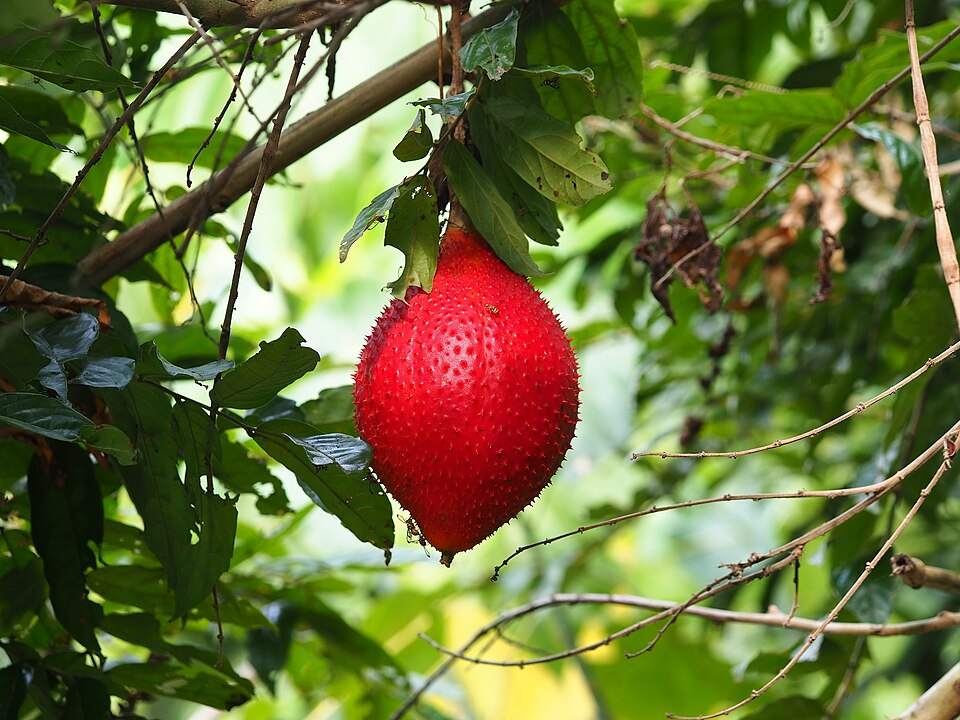
Gac aril is rich in carotenoids. Absorption depends on fat, so dishes made with oil, or with fatty glutinous rice, improve absorption.

The GEM trial, in more than 3,000 older adults, found no reduction in the number of people developing dementia. The evidence for other uses is also weak.

Fish mint is rich in flavonoids, but most of the data are preclinical. Injectable fish mint products have drawn warnings because of adverse reactions.
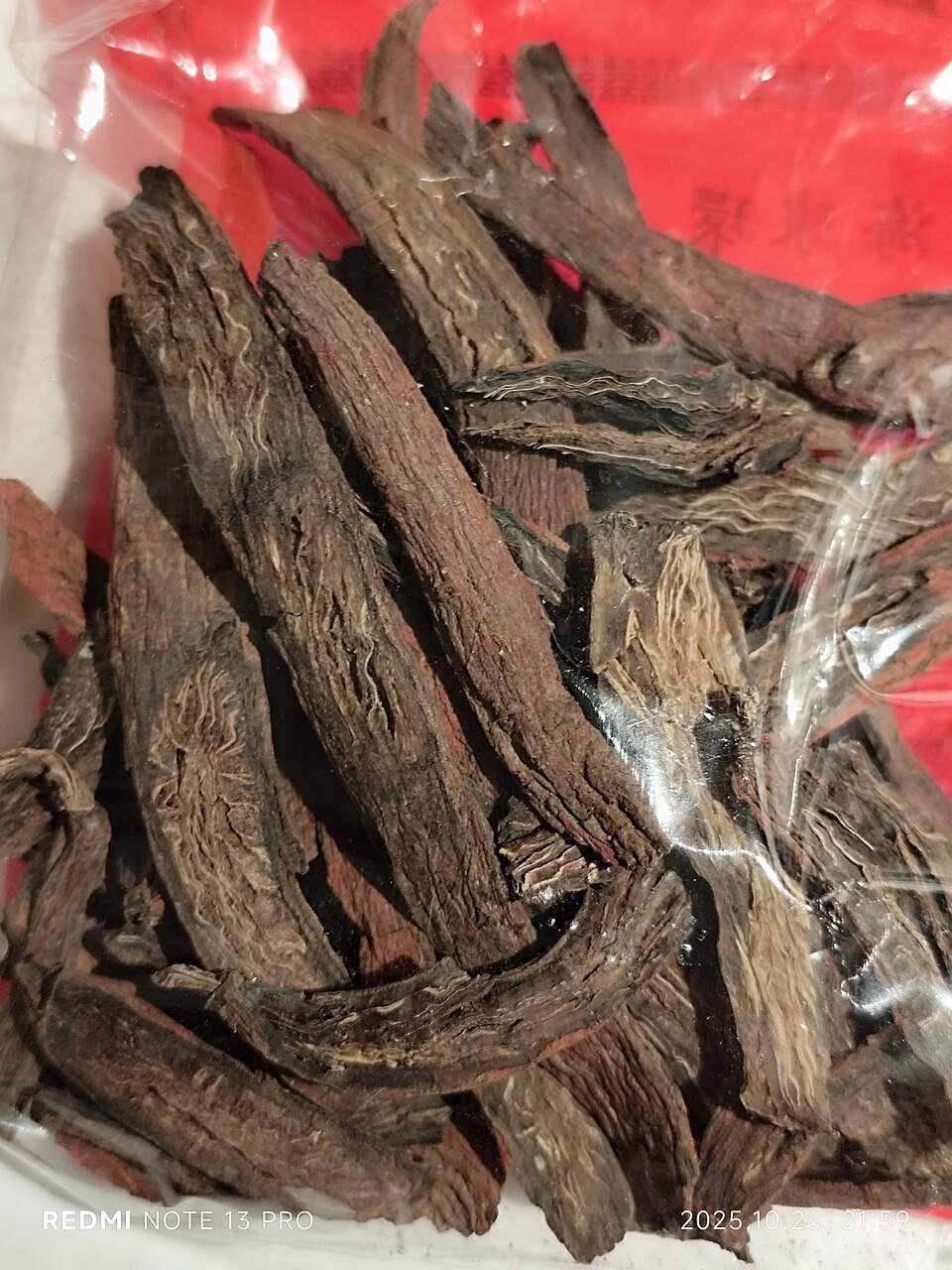
Danshen can raise the INR and the risk of bleeding in people who take warfarin. The two groups of active compounds, tanshinones and salvianolic acids, may be responsible to different degrees.

The gel in the middle of the leaf and the yellow latex next to the rind have entirely different compositions and risks. Whole-leaf extract that has not been decolourised carries a warning about cancer in rats.
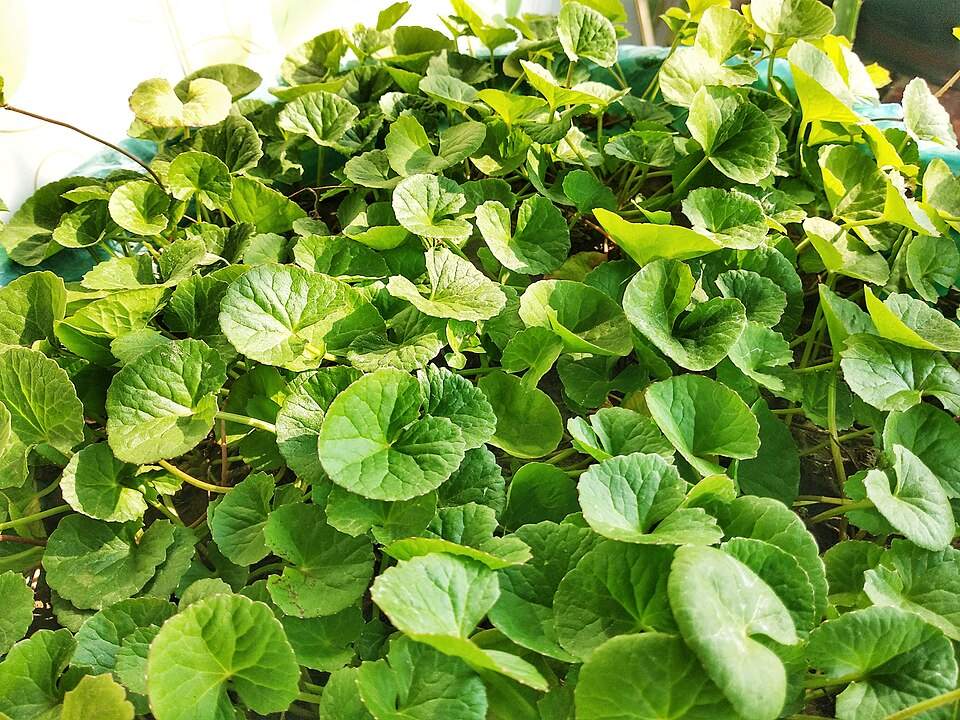
Asiaticoside and madecassoside are the chemical signature of gotu kola. The best data are for use on the skin, not for taking it by mouth.
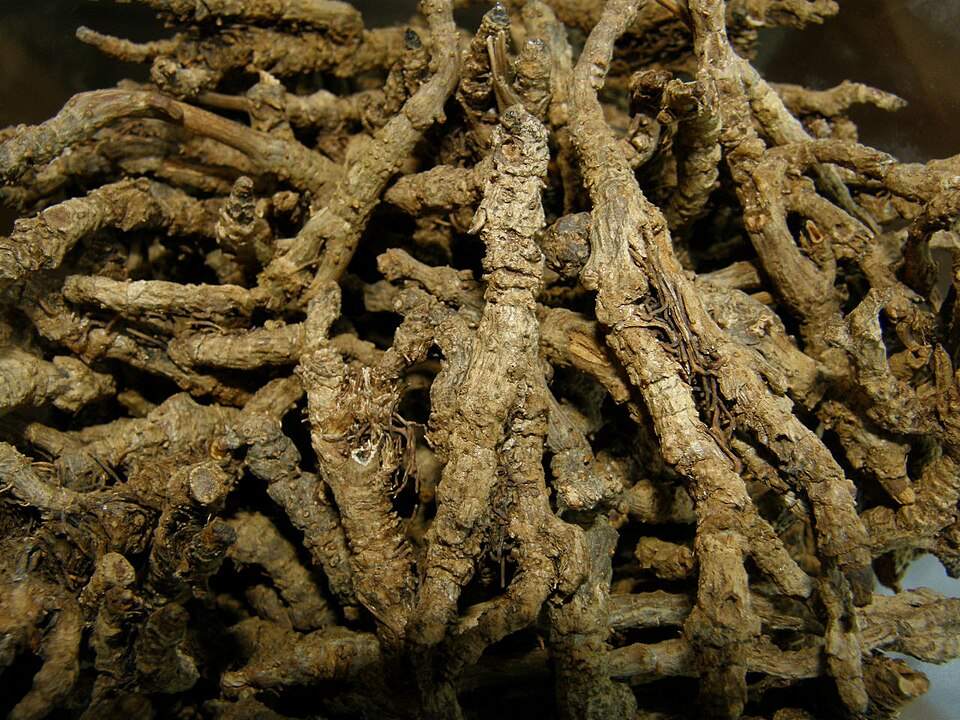
Berberine has been widely studied in type 2 diabetes, but its bioavailability is low and it has significant drug interactions.
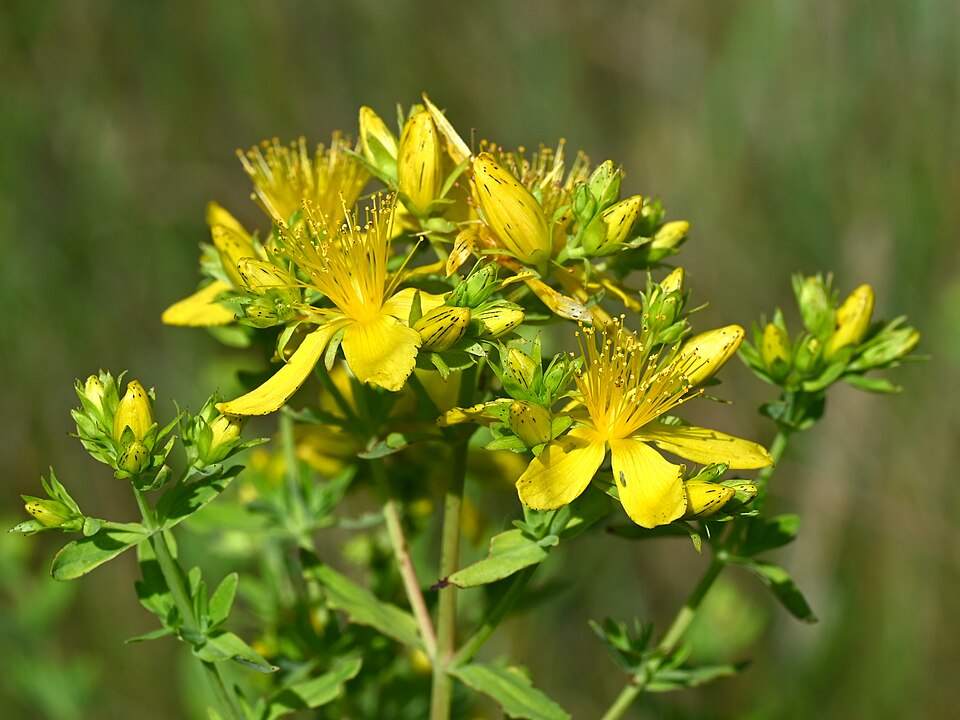
Hyperforin activates the PXR receptor and induces CYP3A4 and P-glycoprotein, lowering the levels of many important drugs.
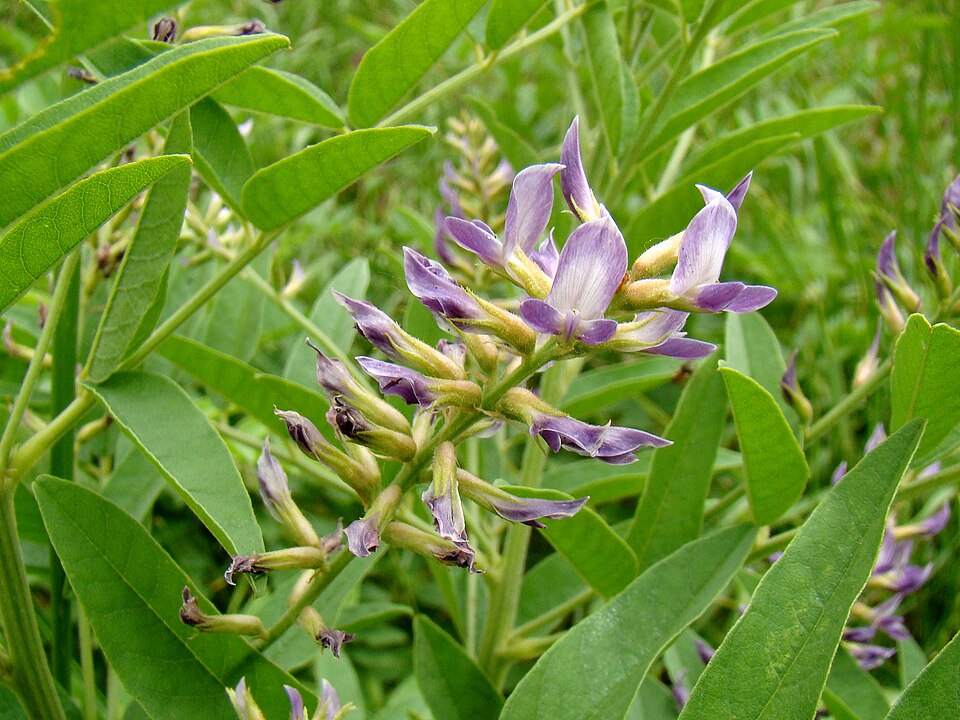
Glycyrrhizin inhibits an enzyme in the kidney and can cause high blood pressure and low blood potassium when it is taken in large amounts or for a long time.