
Turmeric and curcumin: what the evidence says about inflammation

Curcumin does many things in laboratory experiments, but the clinical evidence is modest. This article separates what we know at the level of cells, animals and people.
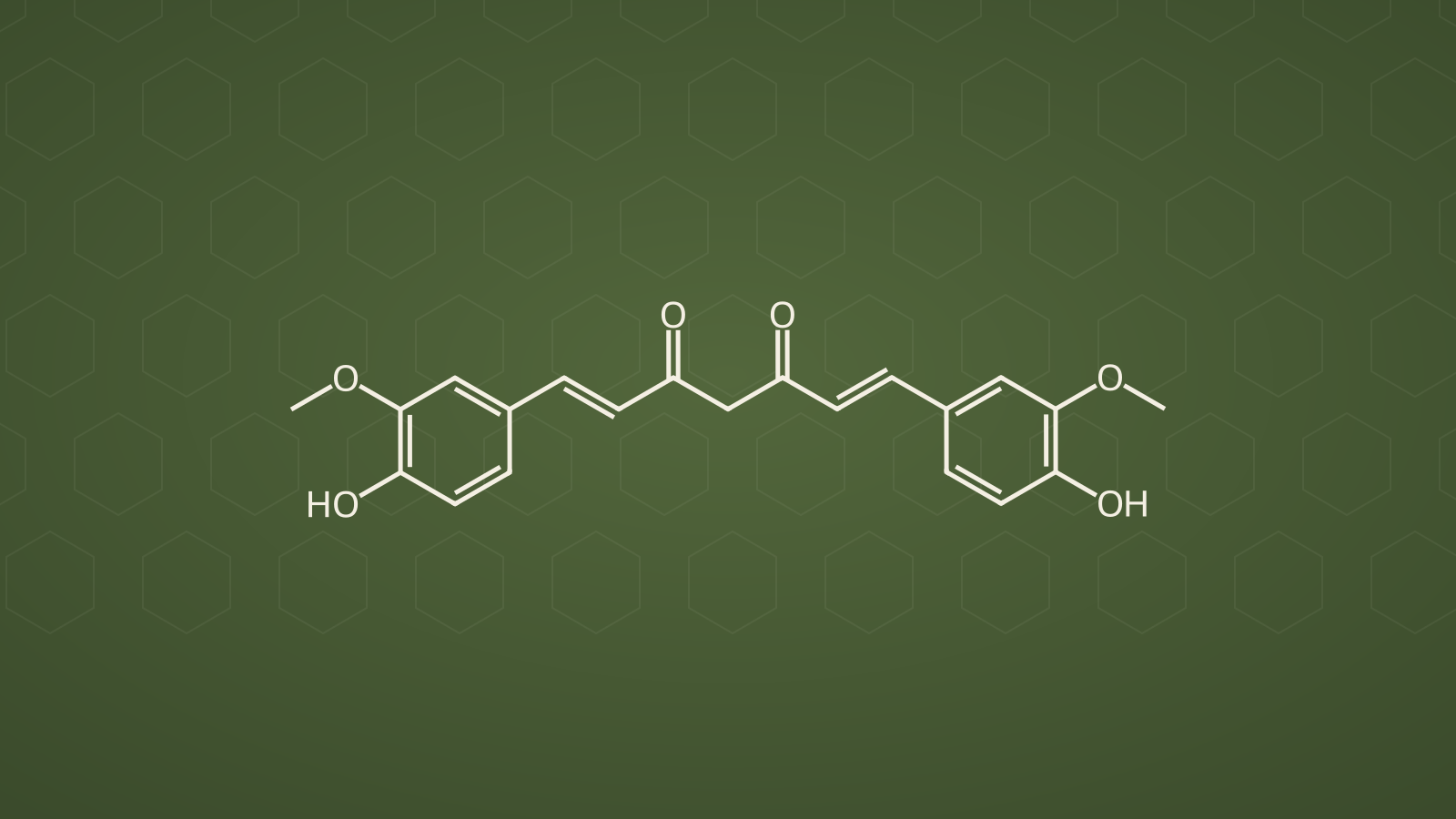
In brief
Curcumin clearly reduces inflammation in cell experiments. In people, the best evidence is a modest pain-relieving effect in knee osteoarthritis. The main limitation is that very little is absorbed when it is taken by mouth.
What has been shown in people
Trials in knee osteoarthritis report mild to moderate pain relief compared with placebo, and in some small studies the relief was comparable to that of a low dose of a non-steroidal anti-inflammatory drug. The preparations, doses and durations differ between trials, so it is hard to draw a general conclusion.
Go deeper (mechanisms, methods, limitations)
The molecular mechanism
In cell models, curcumin inhibits the NF-κB pathway and lowers the expression of COX-2, TNF-α and IL-6. The molecule also reacts with thiol groups by Michael addition, which can distort screening results. This is why Nelson and colleagues counted curcumin among the compounds that are hard to develop into drugs.
Bioavailability
The body quickly glucuronidates and sulfates curcumin. Piperine raises blood curcumin levels in people, but it also inhibits drug-metabolising enzymes, which raises the risk of drug interactions.
What to be sceptical about when you read the studies
- Cell lines are given concentrations far above those found in human plasma.
- Many trials use proprietary products paid for by the manufacturer.
- The outcome is often a subjective pain scale.
In the library
References
- Hewlings SJ, Kalman DS. Foods. 2017;6(10):92.
- Nelson KM, et al. J Med Chem. 2017;60(5):1620–1637.
- Shoba G, et al. Planta Med. 1998;64(4):353–356.
More articles
Piperine in black pepper and the bioavailability of curcumin
Piperine greatly raises blood curcumin levels, but the same mechanism also changes how many drugs are metabolised.
Herb–drug interactions: what to know before you combine them
Herbs are mixtures of many active compounds and can change the levels or effects of prescription drugs. The plant that most often causes interactions is St John's wort.
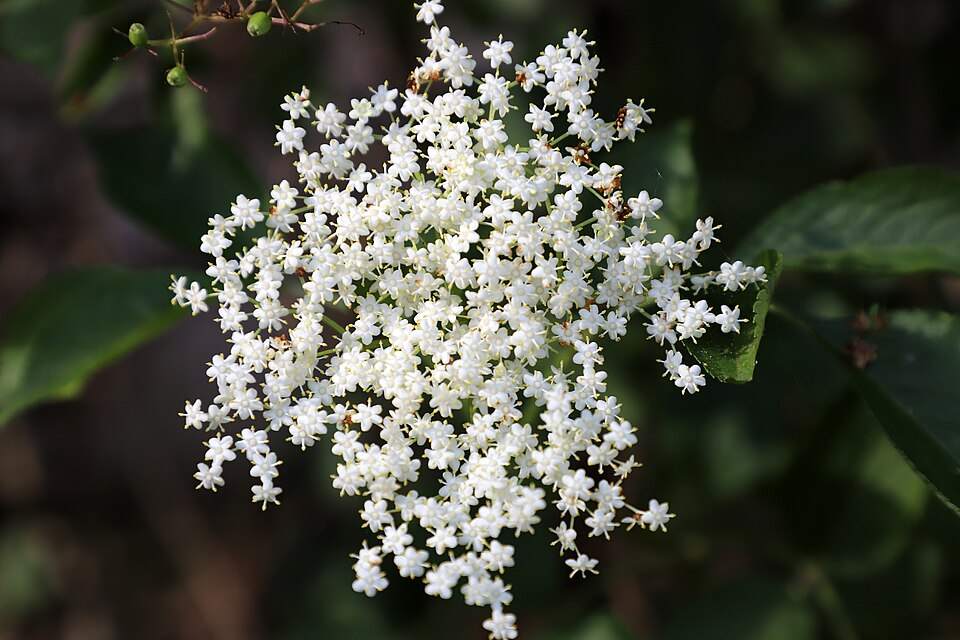
Black elderberry: why it must be cooked first
The raw berries, leaves, stems and seeds of black elderberry contain cyanogenic glycosides. Cooking reduces the risk of poisoning.