
Dried citrus peel tea: how to make it, and what hesperidin does
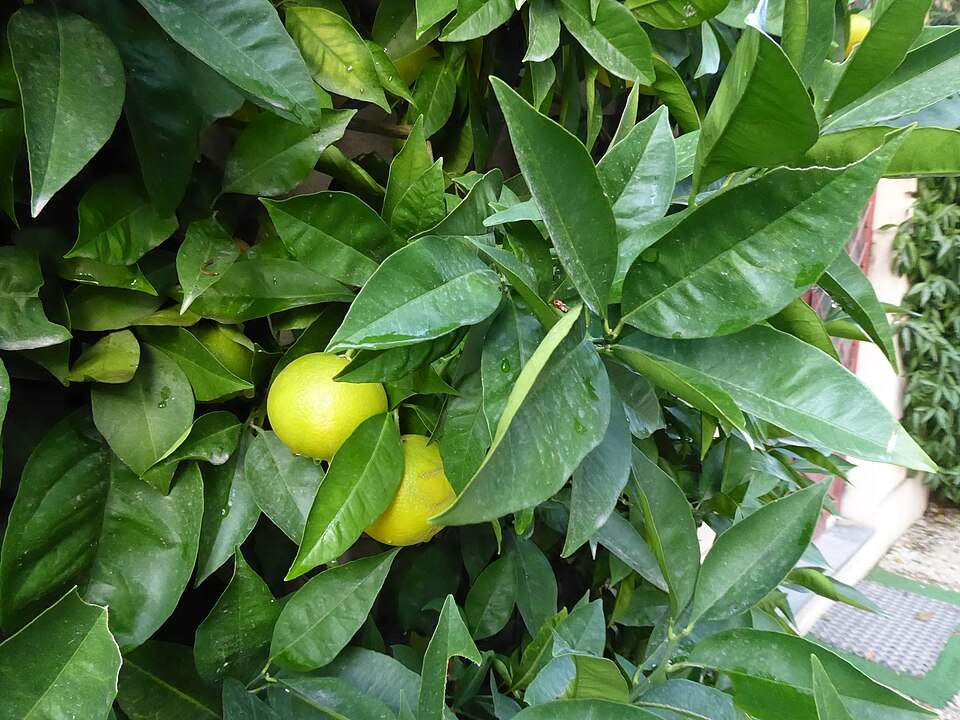
Citrus peel is rich in hesperidin and limonene oil. Brewing it as tea is the traditional use, and there are few clinical data on the tea.
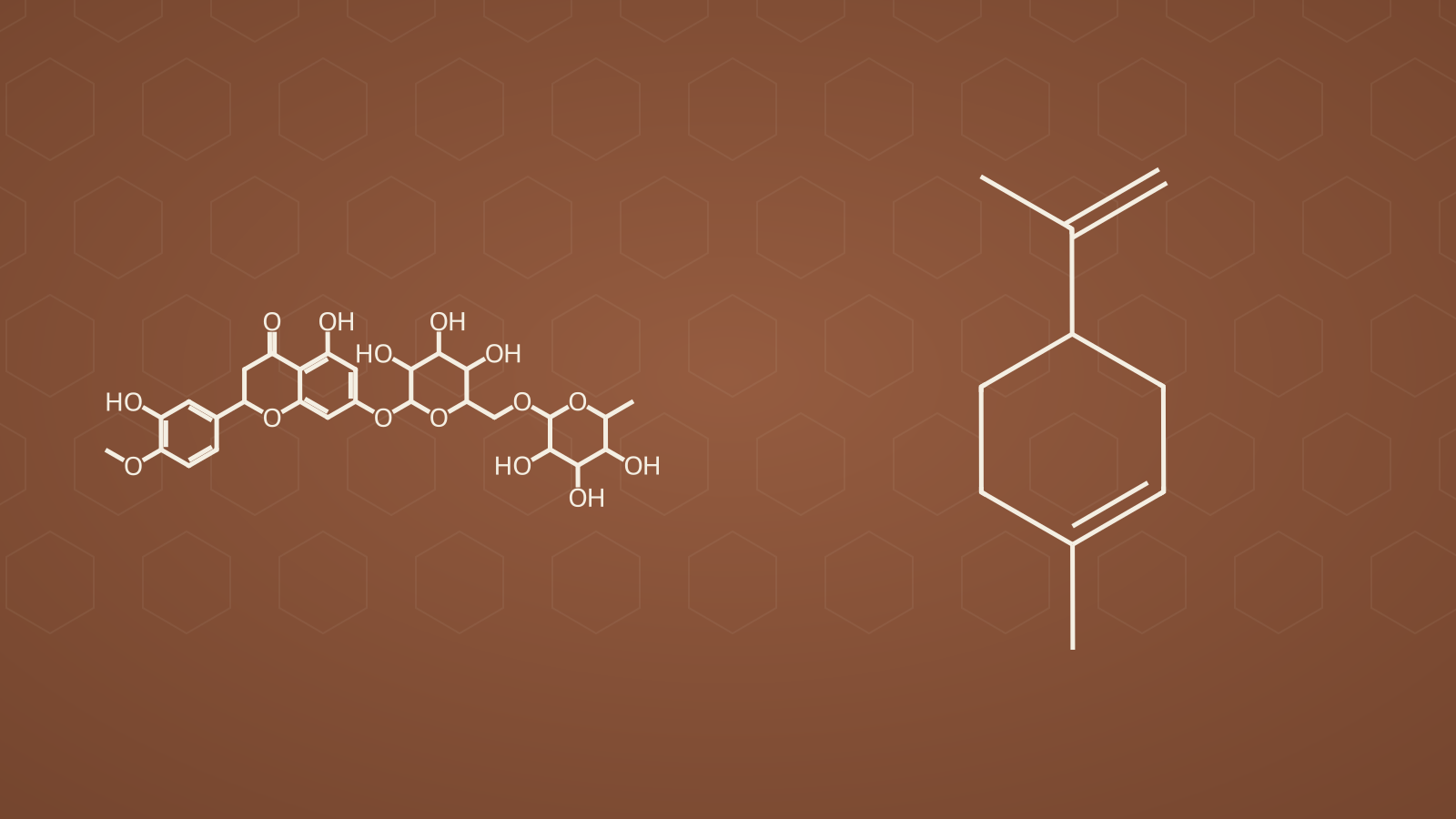
In brief
Dried tangerine and orange peel (chenpi in traditional medicine) contains hesperidin in the white layer and essential oil in the outer layer.
How to make it
- Choose clean fruit and wash it well, because the peel may carry pesticide residues.
- Cut off the peel and dry it in the sun, or at low heat, until completely dry.
- Use about 3–5 g of dried peel for a cup of hot water and steep for 10 minutes.
A note
Do not use bitter orange (Citrus aurantium) if you have cardiovascular disease, because it contains synephrine. With grapefruit, watch out for drug interactions.
Go deeper (mechanisms, methods, limitations)
About hesperidin
Hesperidin dissolves poorly and so is absorbed slowly in the colon. The better clinical evidence is for diosmin–hesperidin products in chronic venous insufficiency, not for peel tea.
In the library
References
- Martinez-Zapata MJ, et al. Cochrane Database Syst Rev. 2016;(4):CD003229.
More articles
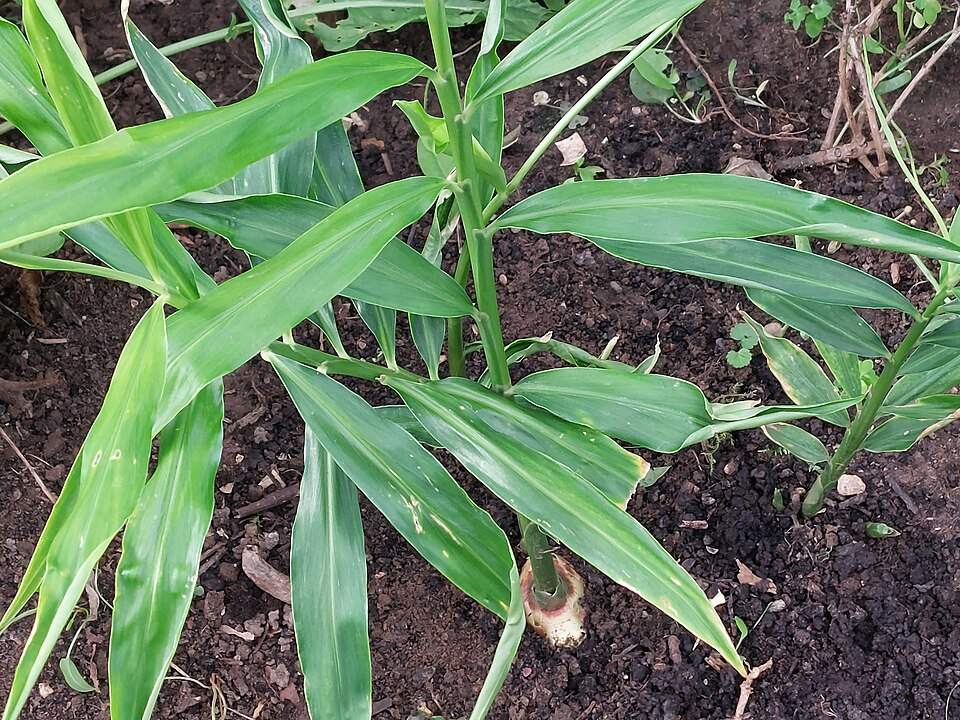
Herbal tea for the airways: a recipe and the data behind it
Ginger, black elderberry and echinacea are often combined. This article explains how far the evidence goes for each ingredient and how to prepare the tea safely.
Fresh or dried ginger: how gingerol and shogaol change
Processing changes the active constituents of ginger. Fresh ginger is rich in gingerol, while dried ginger and ginger cooked for a long time are rich in shogaol.
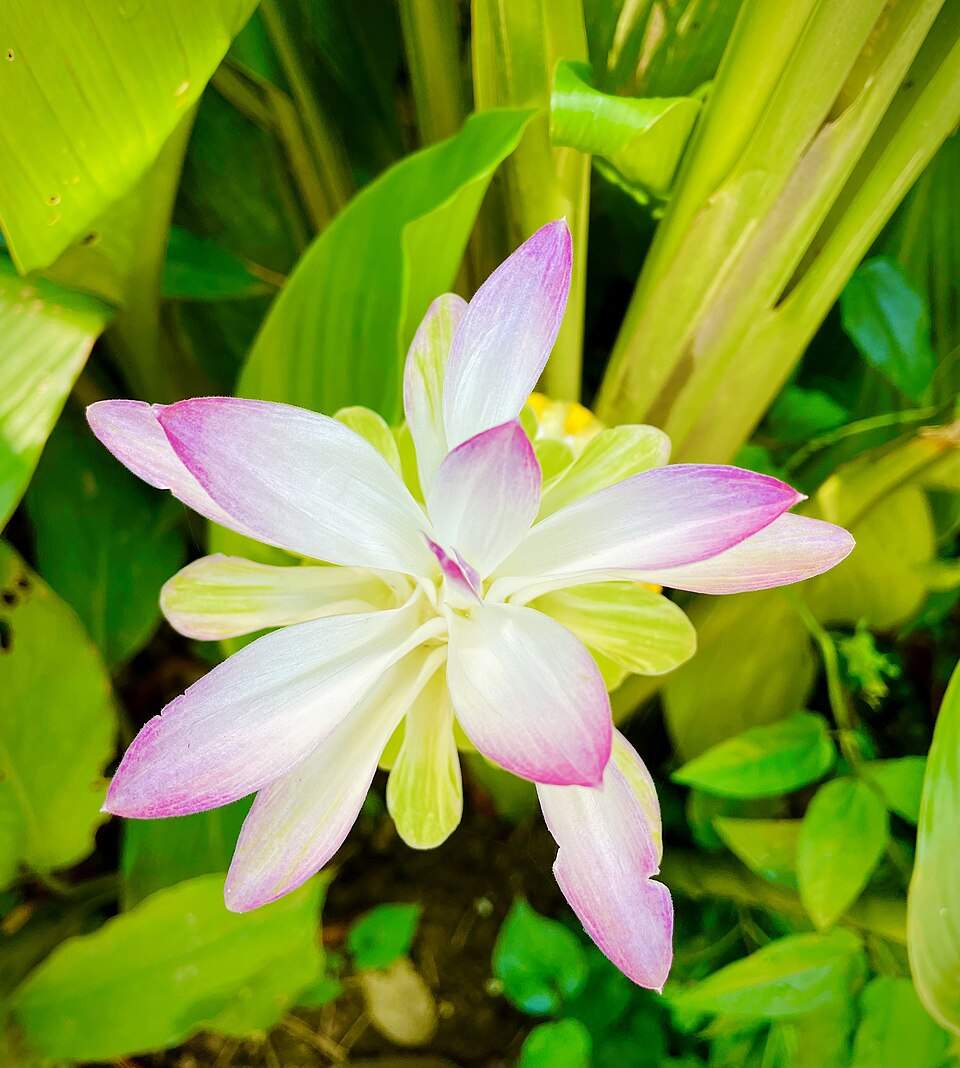
Warm turmeric–ginger drink: how to make it, and its limits
A simple traditional recipe, with a calculation showing that the curcumin in a cup is far below the dose used in trials.