
Danshen and warfarin: an interaction reported many times
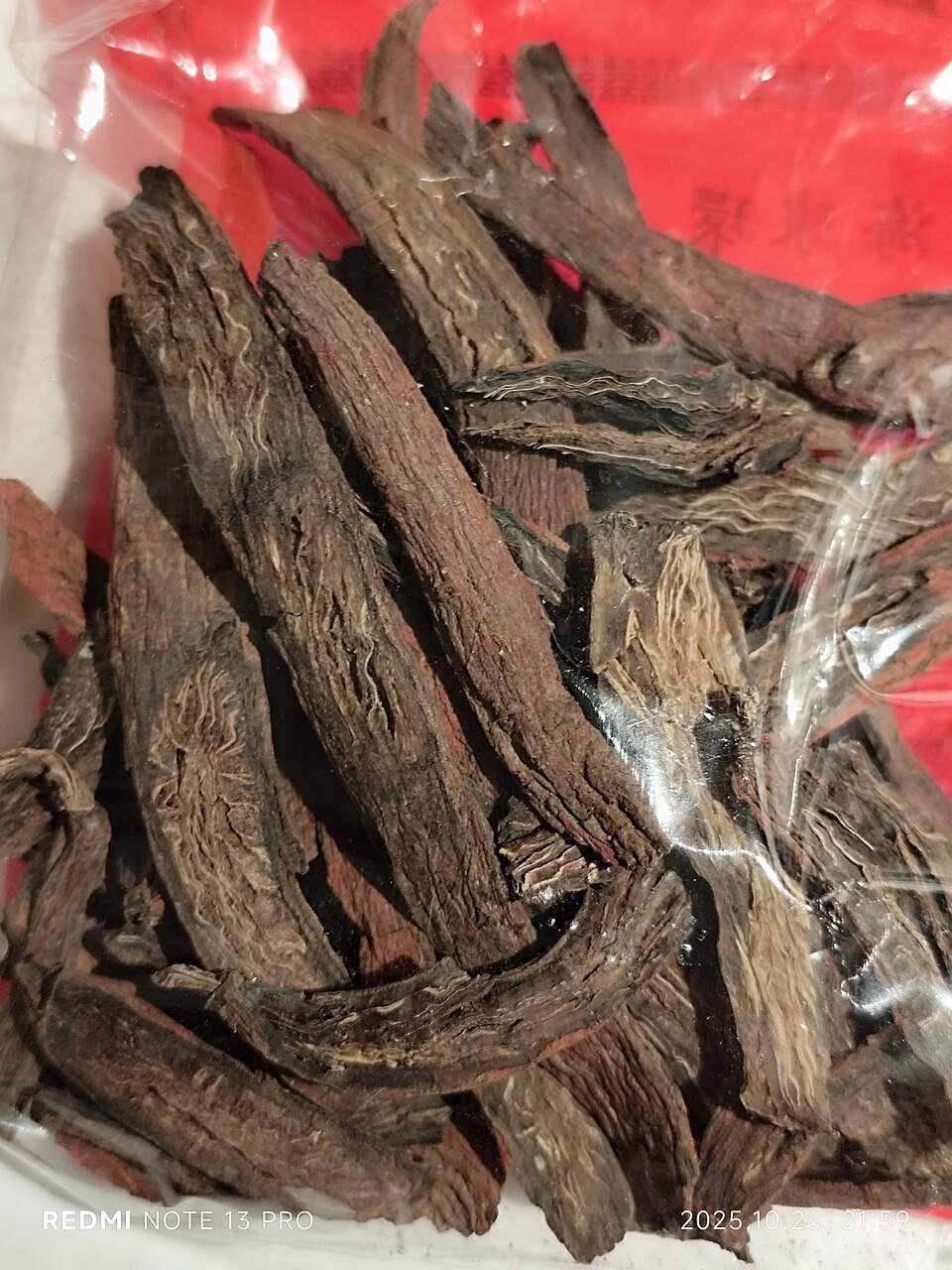
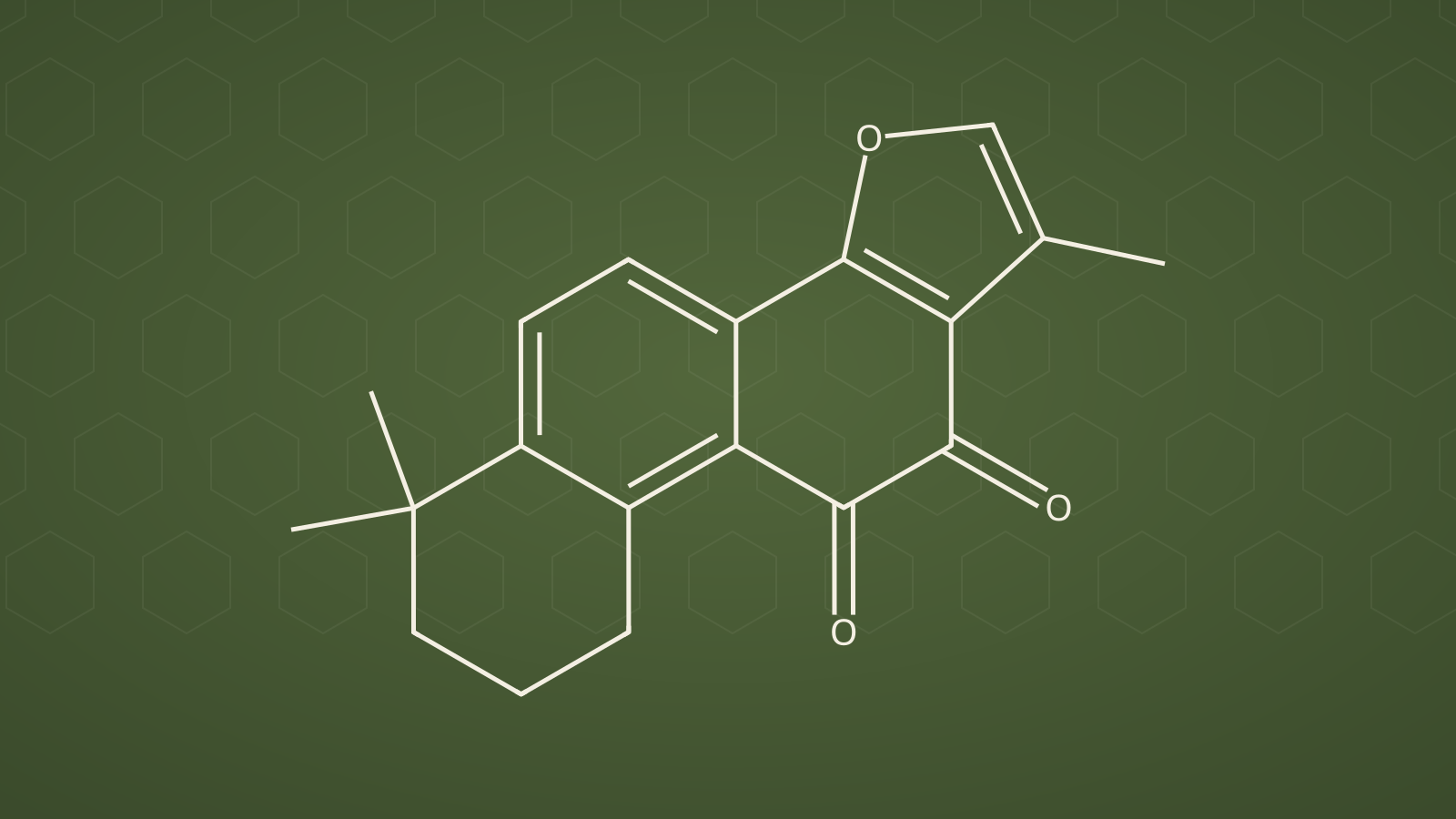
Danshen can raise the INR and the risk of bleeding in people who take warfarin. The two groups of active compounds, tanshinones and salvianolic acids, may be responsible to different degrees.
In brief
Danshen is a traditional medicine used for cardiovascular disease. There are many case reports of a raised INR and bleeding when it is taken together with warfarin.
What to do
- If you take an anticoagulant, tell your doctor before you use danshen.
- Monitor your INR closely when you start or stop the herb.
- Avoid it before surgery.
Why it is hard to predict
The product has many components, the content varies, and human pharmacokinetic data are very limited. The mechanisms proposed include inhibition of platelet aggregation and a change in the way warfarin is metabolised.
Go deeper (mechanisms, methods, limitations)
Dosage forms
The injectable form of danshen used in China contains water-soluble components, unlike root powder and alcohol extracts, which contain the fat-soluble tanshinones. You cannot carry conclusions from one form over to another.
In the library
References
- Izzo AA, Ernst E. Drugs. 2009;69(13):1777–1798.
More articles
Piperine in black pepper and the bioavailability of curcumin
Piperine greatly raises blood curcumin levels, but the same mechanism also changes how many drugs are metabolised.
Turmeric and curcumin: what the evidence says about inflammation
Curcumin does many things in laboratory experiments, but the clinical evidence is modest. This article separates what we know at the level of cells, animals and people.
Herb–drug interactions: what to know before you combine them
Herbs are mixtures of many active compounds and can change the levels or effects of prescription drugs. The plant that most often causes interactions is St John's wort.