
Anthocyanins: strongly active in the test tube, poorly absorbed in people
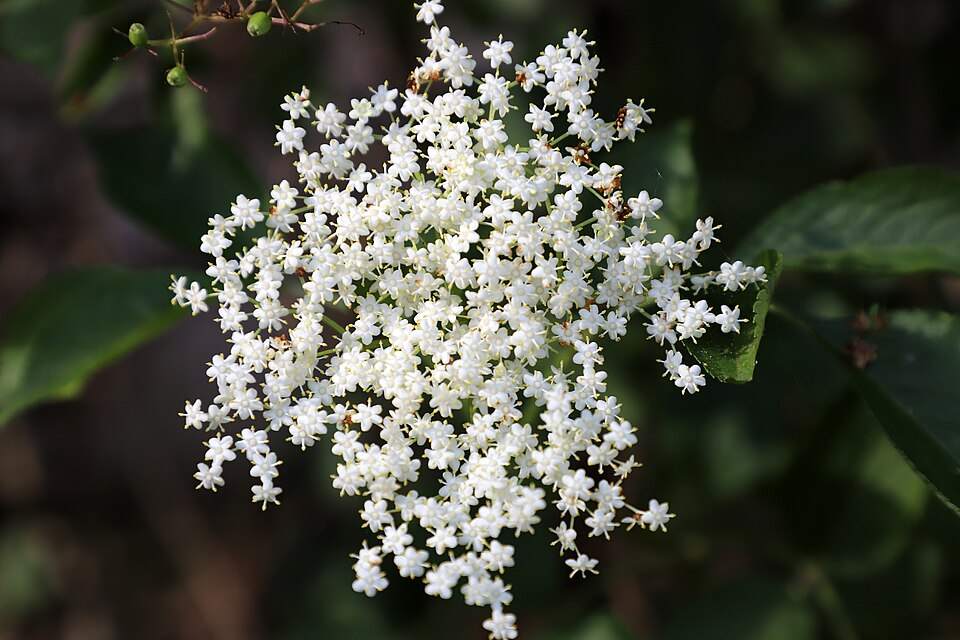
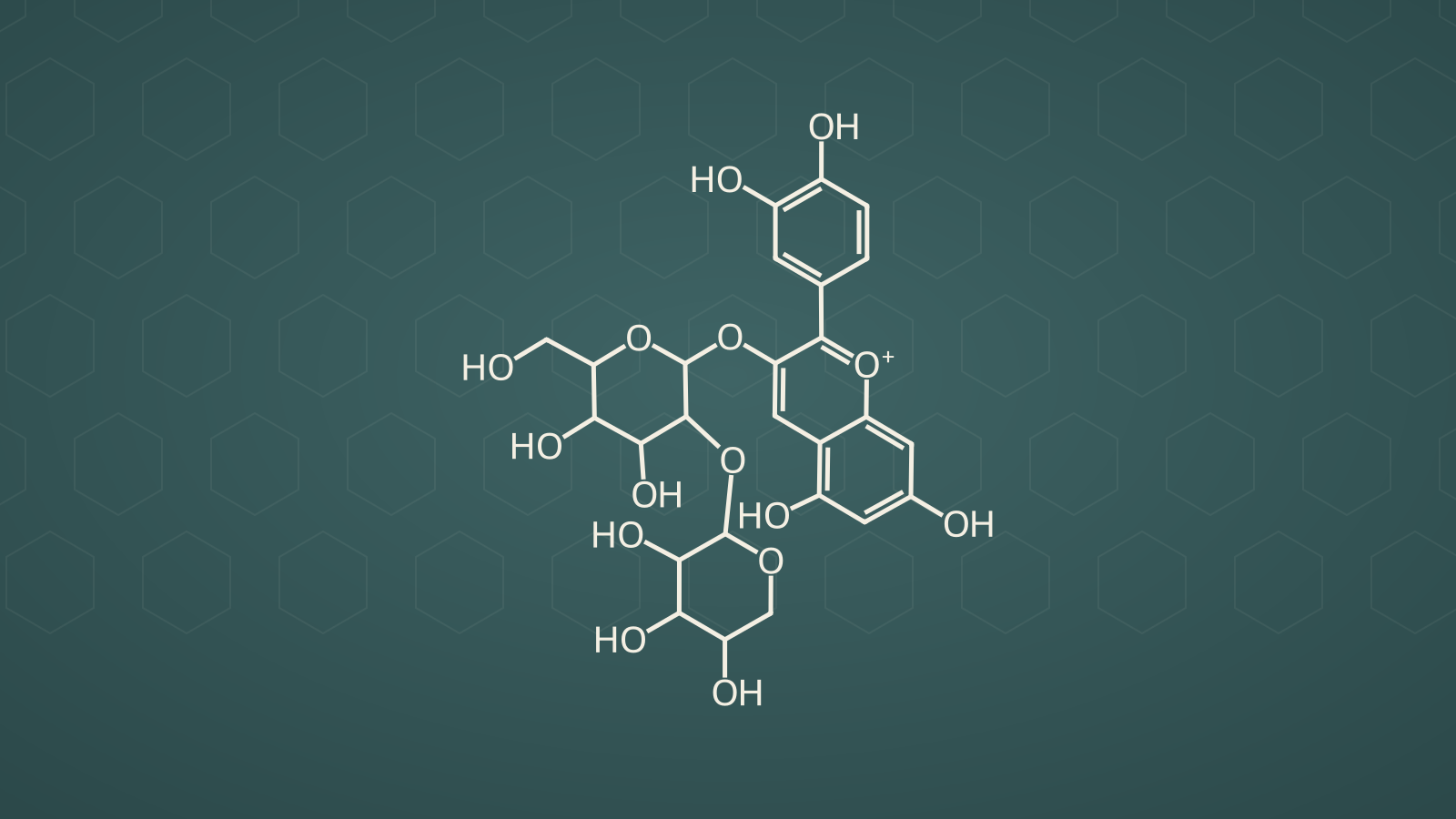
Anthocyanins are the pigments of berries. They are strong antioxidants in vitro, but very little is absorbed intact.
In brief
In a review of 97 bioavailability studies, Manach and colleagues placed anthocyanins among the poorly absorbed polyphenols. Gut bacteria convert most of them into phenolic acids.
What this means for research
Activity measured in cells with intact anthocyanins may not reflect what actually reaches the tissues. The metabolites may be the main agents, and they vary with each person's microbiome.
Go deeper (mechanisms, methods, limitations)
Chemical stability
The flavylium cation is stable only at acidic pH; at neutral pH, anthocyanins turn into a colourless form or break down. This affects both how products are stored and how the compounds behave in the digestive tract.
What to be wary of
Claims such as "many times stronger as an antioxidant" are often based on chemical assays such as ORAC. The United States Department of Agriculture withdrew this index from its database because it does not predict biological effects in people.
In the library
References
- Manach C, Williamson G, Morand C, Scalbert A, Rémésy C. Bioavailability and bioefficacy of polyphenols in humans. I. Review of 97 bioavailability studies. Am J Clin Nutr. 2005;81(1 Suppl):230S–242S.
More articles

How to read a clinical trial of an herbal product
Six questions that help you tell a trustworthy trial from one that only looks scientific.
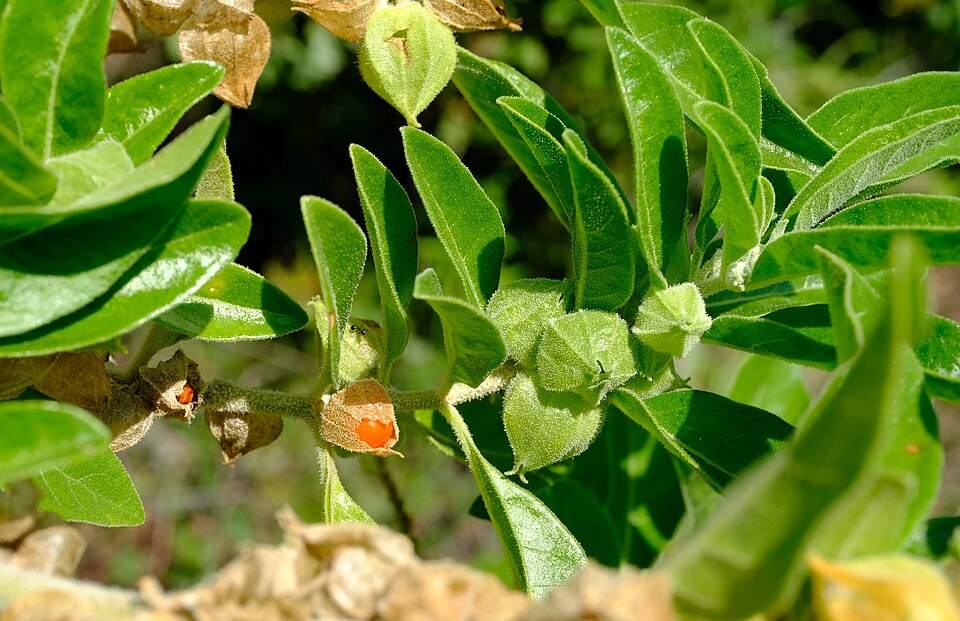
Ashwagandha: an adaptogen, or just hype?
Randomised trials on stress and anxiety give encouraging signals, but they are small, short and easily biased. There are warnings about liver injury.
Does the label tell the truth? Evidence from DNA barcoding
A DNA barcoding study of herbal products in North America found that many contained species that were not on the label. The result is valuable, but it has limitations.