
From cell experiments to the clinic: why most activity never becomes a drug
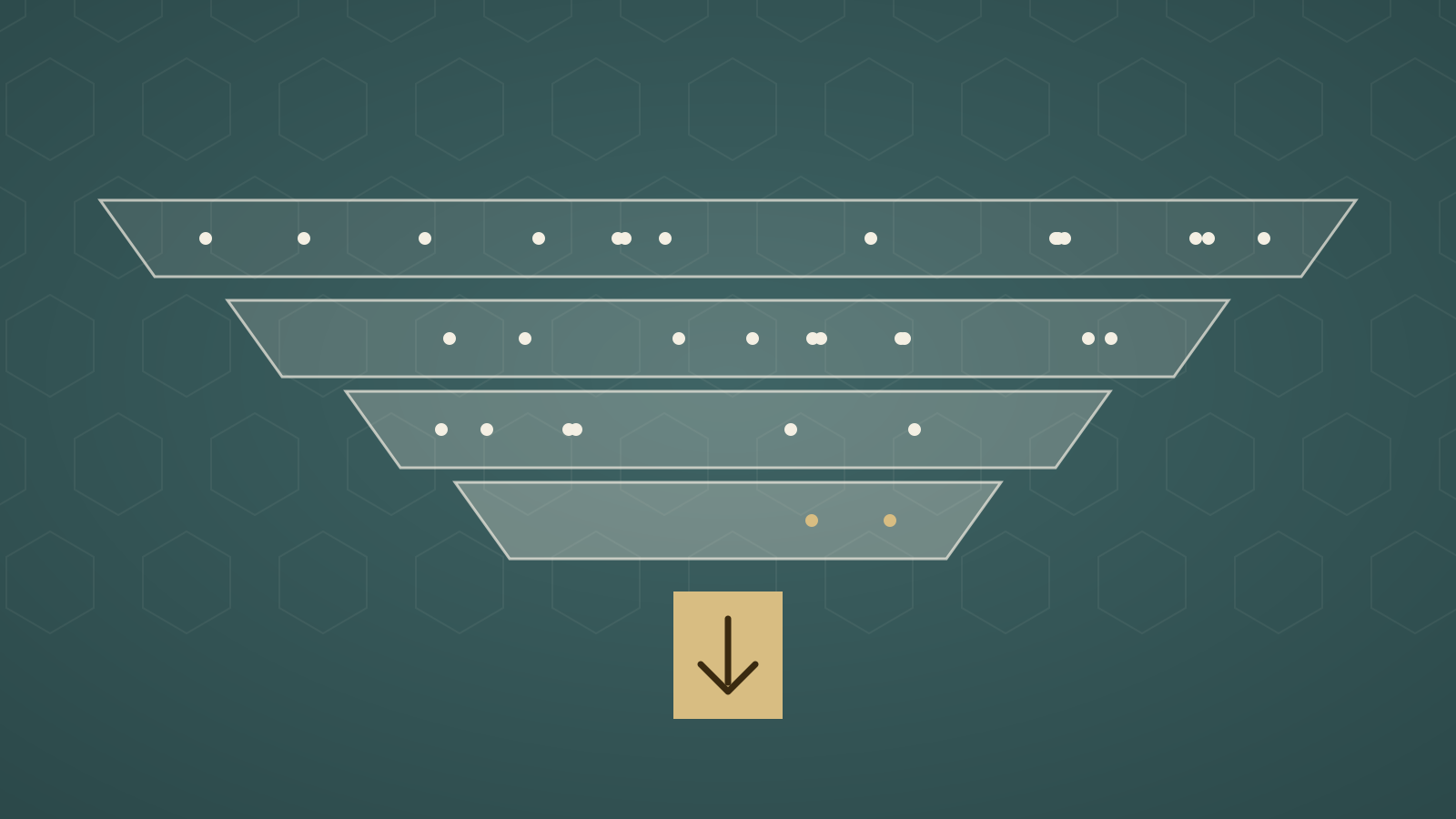
Only about 1 in 10 drugs that enter clinical trials is approved. For herbs the gap is even wider, because the concentrations used in vitro are rarely reached in people.
In brief
Activity in the test tube is where research starts; it is not evidence that something works. Many natural compounds give impressive results in vitro but never reach the same concentration in people.
Three questions to ask
- Can the concentration used in the experiment be reached in plasma at ordinary doses?
- Is the compound metabolised quickly, or not absorbed at all?
- Has there been a randomised controlled clinical trial yet?
Examples
Curcumin, EGCG and resveratrol are all active in many ways in vitro, but their oral bioavailability is low and their clinical effectiveness remains limited.
Go deeper (mechanisms, methods, limitations)
Success rates in drug development
An analysis of more than 4000 development programmes showed that the chance of going from phase 1 to approval is about 10%. This is the context in which to judge claims based on early research.
References
- Hay M, Thomas DW, Craighead JL, Economides C, Rosenthal J. Clinical development success rates for investigational drugs. Nat Biotechnol. 2014;32(1):40–51.
More articles
How to read a clinical trial of an herbal product
Six questions that help you tell a trustworthy trial from one that only looks scientific.
Ashwagandha: an adaptogen, or just hype?
Randomised trials on stress and anxiety give encouraging signals, but they are small, short and easily biased. There are warnings about liver injury.
Does the label tell the truth? Evidence from DNA barcoding
A DNA barcoding study of herbal products in North America found that many contained species that were not on the label. The result is valuable, but it has limitations.