
Herbs in pregnancy: a cautious approach
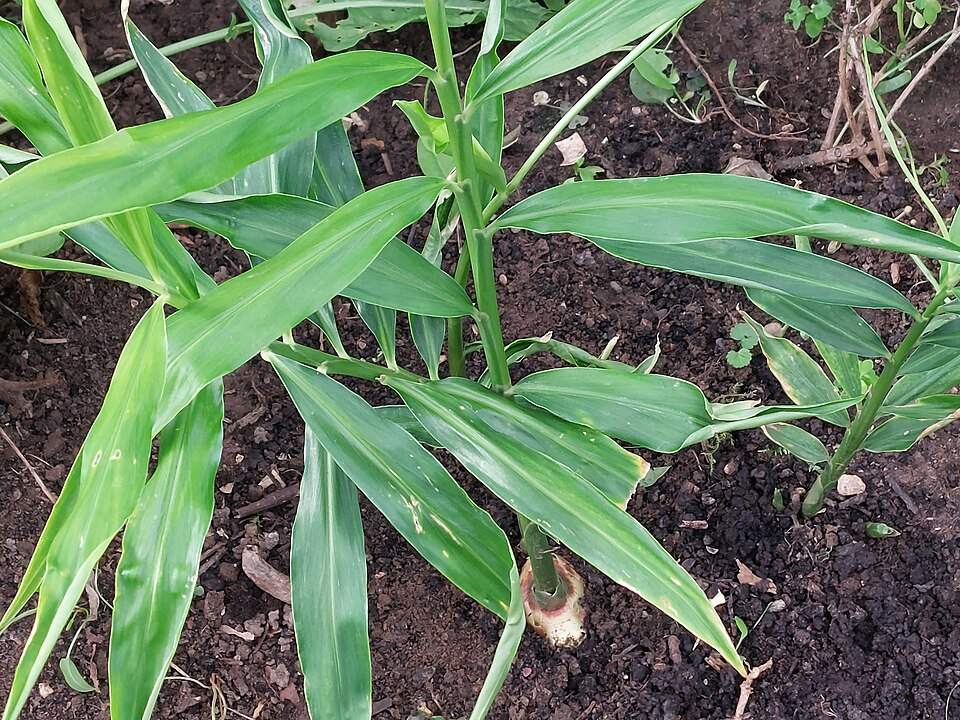
There are very few safety data on most herbs in pregnancy. The general rule is to avoid them until there is evidence that they are safe.

In brief
Very few herbs have been studied for safety in pregnancy. The lack of evidence of harm does not mean that they are safe. Discuss every product with an obstetrician.
What is known
- Ginger: many guidelines name it as an option for nausea in pregnancy at a low dose; ask your doctor all the same.
- Ashwagandha: it is advised to avoid it in pregnancy.
- Some plants make the uterus contract and should not be used in pregnancy.
What to do
- Tell your doctor about everything you use, including herbal teas.
- Avoid mixed products with many ingredients and unclear doses.
- For mild nausea, try measures that do not involve medicines first, such as eating smaller meals.
Go deeper (mechanisms, methods, limitations)
Research on ginger
A meta-analysis by Viljoen and colleagues showed that ginger reduced nausea compared with placebo, and the trials they surveyed showed no clear increase in adverse effects. Those trials were of moderate size and are not enough to rule out rare risks.
In the library
References
- Viljoen E, et al. Nutr J. 2014;13:20.
- ACOG Practice Bulletin No. 189: Nausea and vomiting of pregnancy. Obstet Gynecol. 2018;131(1):e15–e30.
More articles
Ginger and digestion: how it works
Gingerol and shogaol act on the 5-HT3 and TRPV1 receptors. The best clinical evidence is for nausea in pregnancy.

Cranberry and urinary tract infection: the evidence today
A 2023 Cochrane review found that cranberry may lower the risk of urinary tract infection in some groups, but it does not treat an infection that is already under way.
Caffeine: how much is reasonable?
EFSA considers that healthy adults can have up to 400 mg of caffeine a day with no safety concern, and 200 mg in pregnancy.