
Gotu kola: from a familiar vegetable to research on wound healing
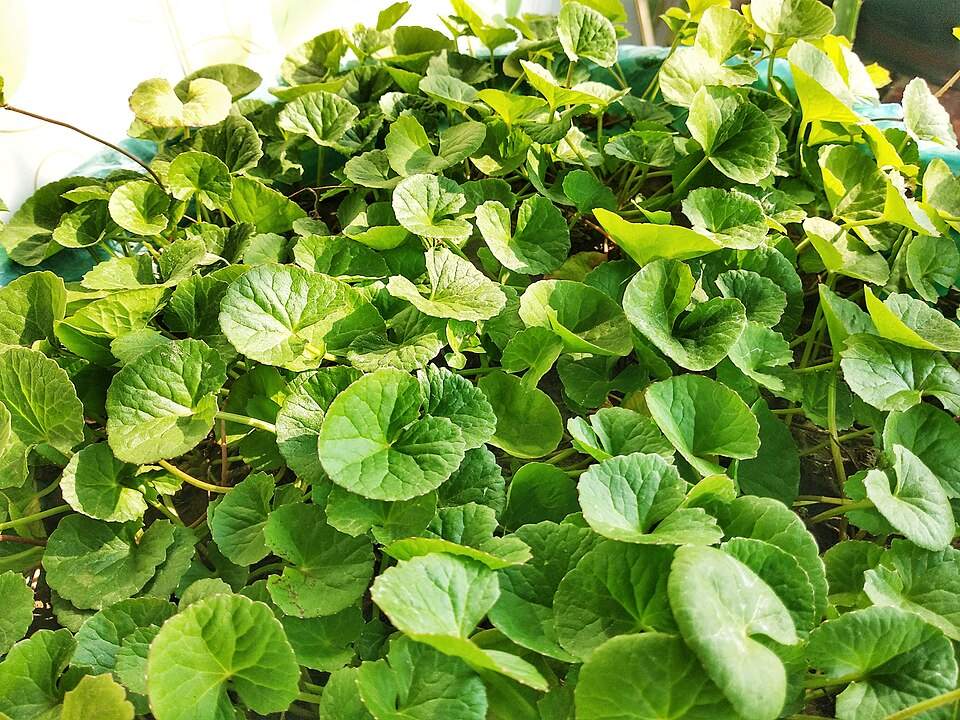
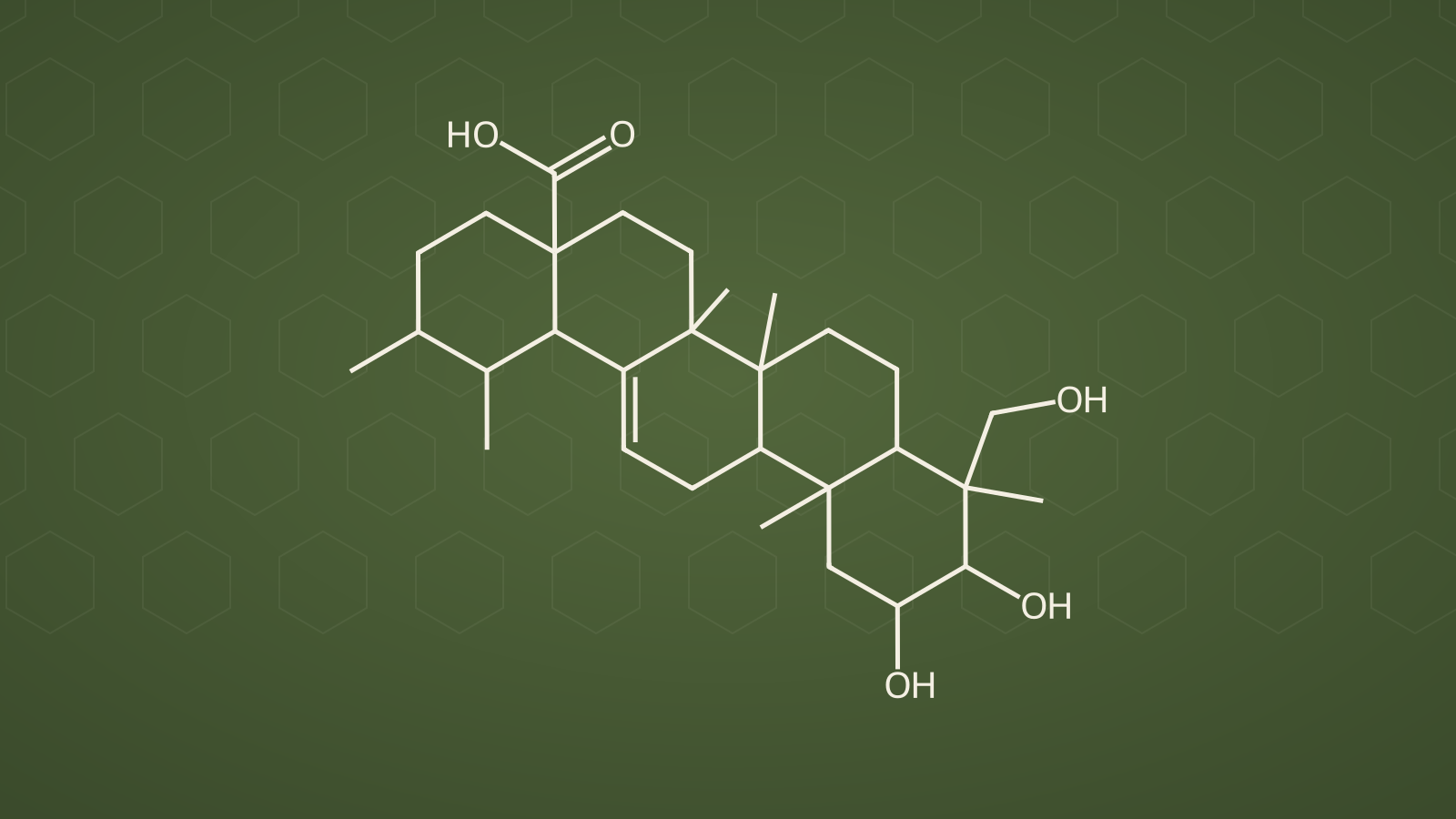
Asiaticoside and madecassoside are the chemical signature of gotu kola. The best data are for use on the skin, not for taking it by mouth.
In brief
Gotu kola (Centella asiatica) features in Vietnamese cooking and in cosmetics around the world. Studies on wound and scar healing are mostly small trials of standardised extracts applied to the skin.
What to keep apart
- Fresh gotu kola juice drunk every day is not the same as a high-dose standardised extract.
- A cosmetic cream is not the same as a medicine applied to treat a wound.
Safety notes
There are case reports of liver injury after prolonged high oral doses. Applied to the skin, it can cause contact dermatitis in some people.
Go deeper (mechanisms, methods, limitations)
The proposed mechanism
In cell models, asiaticoside stimulates the synthesis of type I collagen and the multiplication of fibroblasts. It is unclear whether the concentrations reached in human tissue are equivalent to the experimental ones.
In the library
More articles
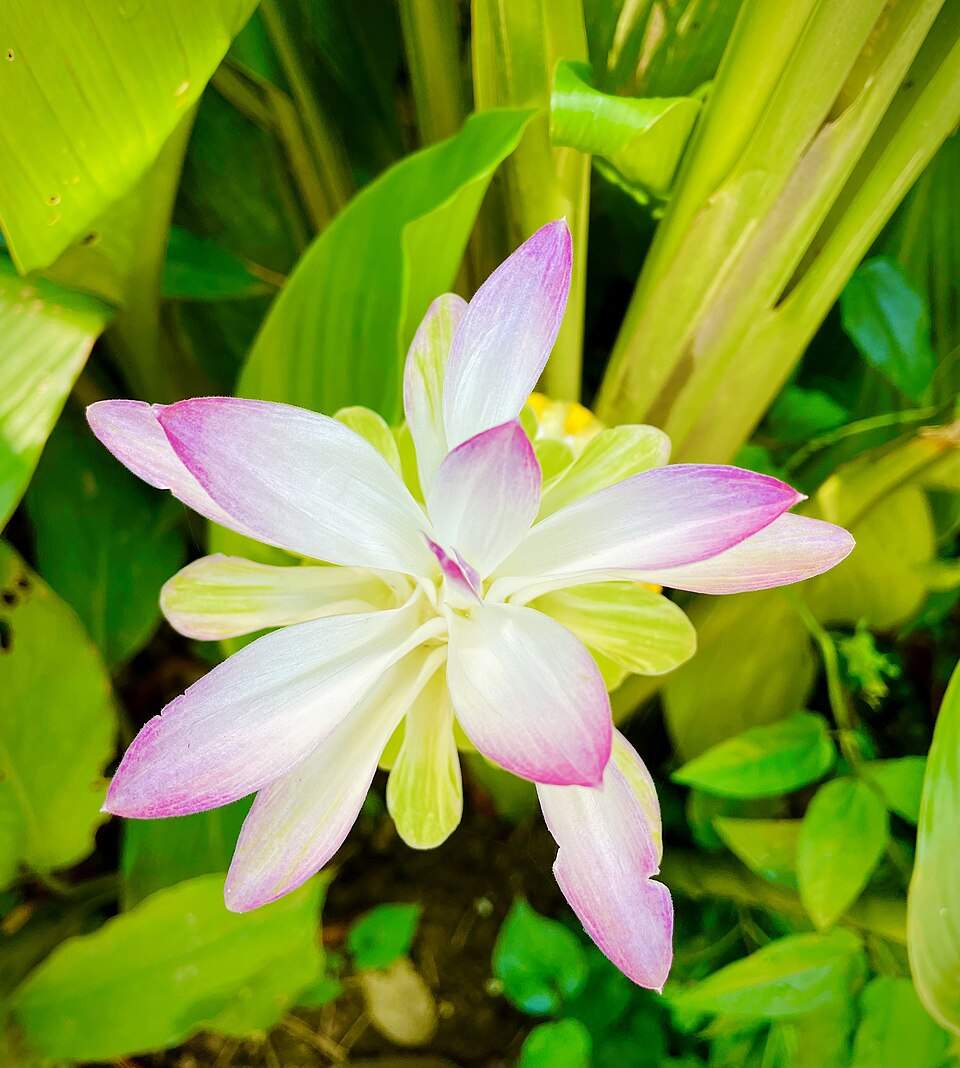
Piperine in black pepper and the bioavailability of curcumin
Piperine greatly raises blood curcumin levels, but the same mechanism also changes how many drugs are metabolised.
Turmeric and curcumin: what the evidence says about inflammation
Curcumin does many things in laboratory experiments, but the clinical evidence is modest. This article separates what we know at the level of cells, animals and people.

Herb–drug interactions: what to know before you combine them
Herbs are mixtures of many active compounds and can change the levels or effects of prescription drugs. The plant that most often causes interactions is St John's wort.