
Peppermint leaf tea and peppermint oil capsules: two different uses
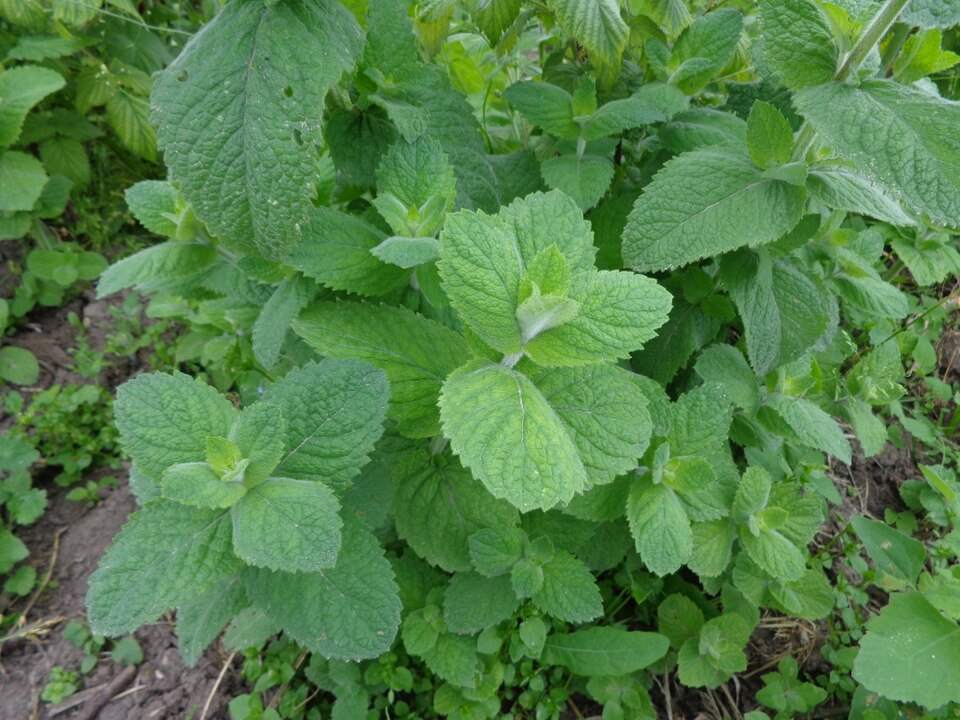
The evidence in irritable bowel syndrome is for enteric-coated oil capsules, not for leaf tea.
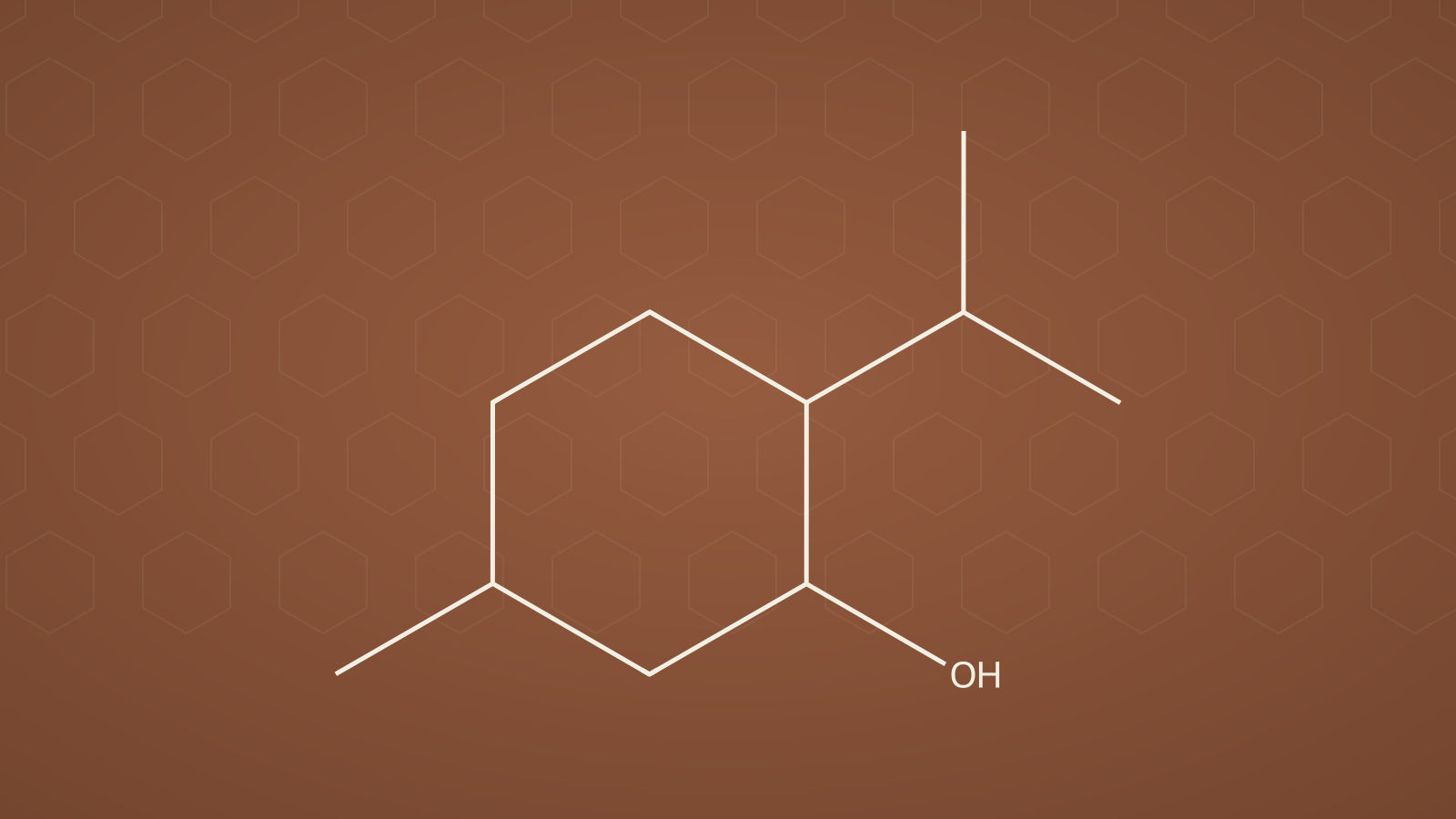
In brief
Peppermint leaf tea contains only a little essential oil and is pleasant for mild digestive complaints. Enteric-coated oil capsules release menthol in the intestine, where the smooth muscle needs to be relaxed.
How to make the tea
- Use 1–2 g of dried leaves, or a pinch of fresh leaves, for one cup.
- Cover the cup and steep for 5–7 minutes.
A note
Peppermint relaxes the valve at the lower end of the oesophagus, so it can make heartburn and reflux worse. Do not put the oil on the face of a small child.
Go deeper (mechanisms, methods, limitations)
Meta-analysis
Alammar and colleagues pooled 12 randomised trials and found that peppermint oil improved overall symptoms and abdominal pain in irritable bowel syndrome compared with placebo.
In the library
References
- Alammar N, et al. BMC Complement Altern Med. 2019;19:21.
More articles
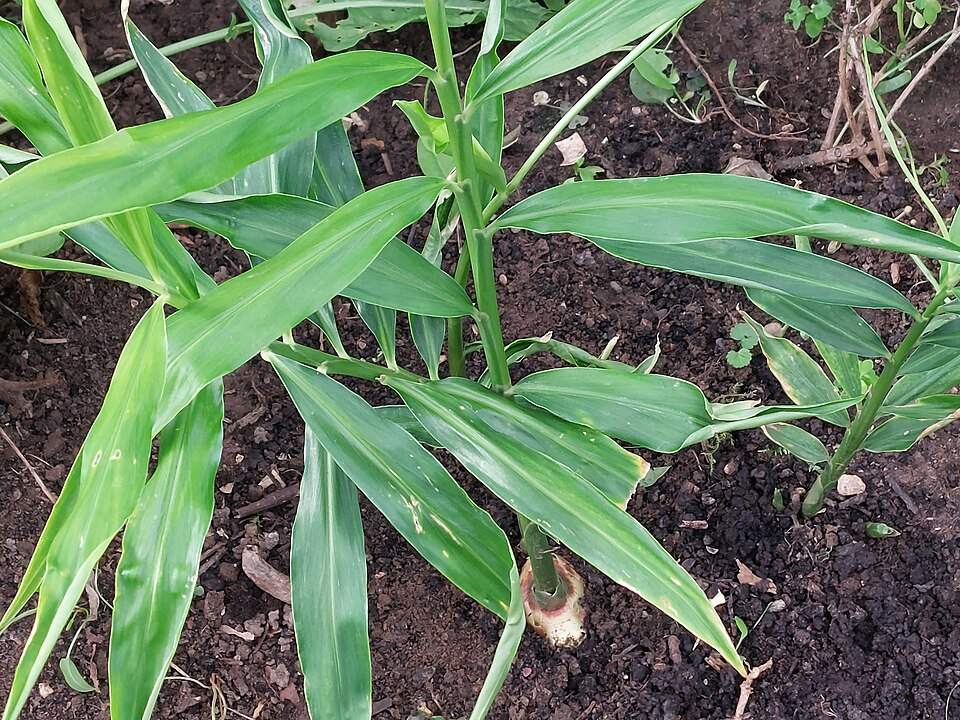
Herbal tea for the airways: a recipe and the data behind it
Ginger, black elderberry and echinacea are often combined. This article explains how far the evidence goes for each ingredient and how to prepare the tea safely.
Fresh or dried ginger: how gingerol and shogaol change
Processing changes the active constituents of ginger. Fresh ginger is rich in gingerol, while dried ginger and ginger cooked for a long time are rich in shogaol.

Warm turmeric–ginger drink: how to make it, and its limits
A simple traditional recipe, with a calculation showing that the curcumin in a cup is far below the dose used in trials.