
Aloe vera: how the clear gel and the yellow latex differ
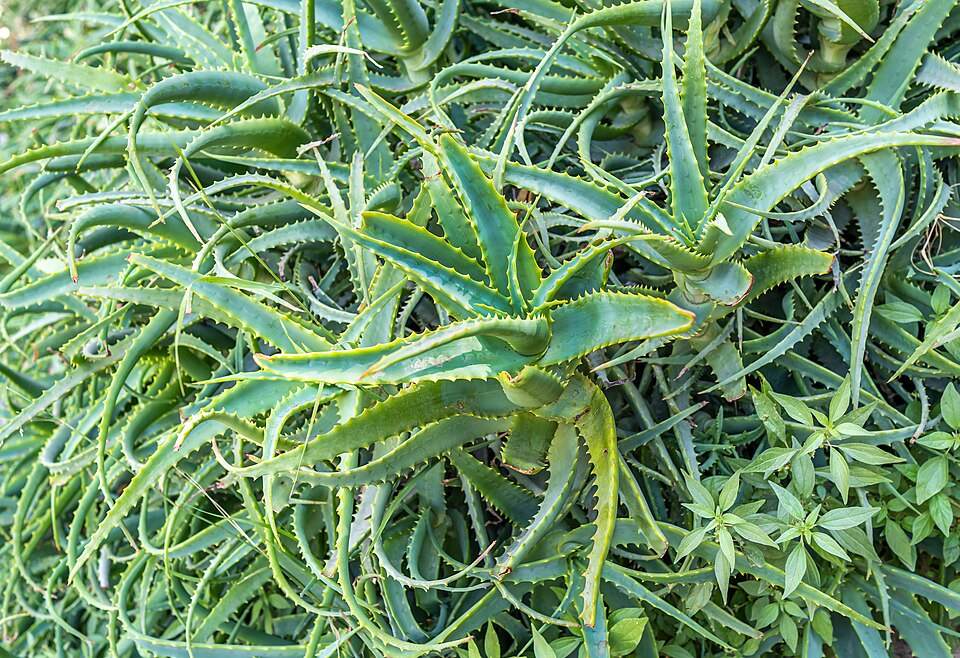
The gel in the middle of the leaf and the yellow latex next to the rind have entirely different compositions and risks. Whole-leaf extract that has not been decolourised carries a warning about cancer in rats.
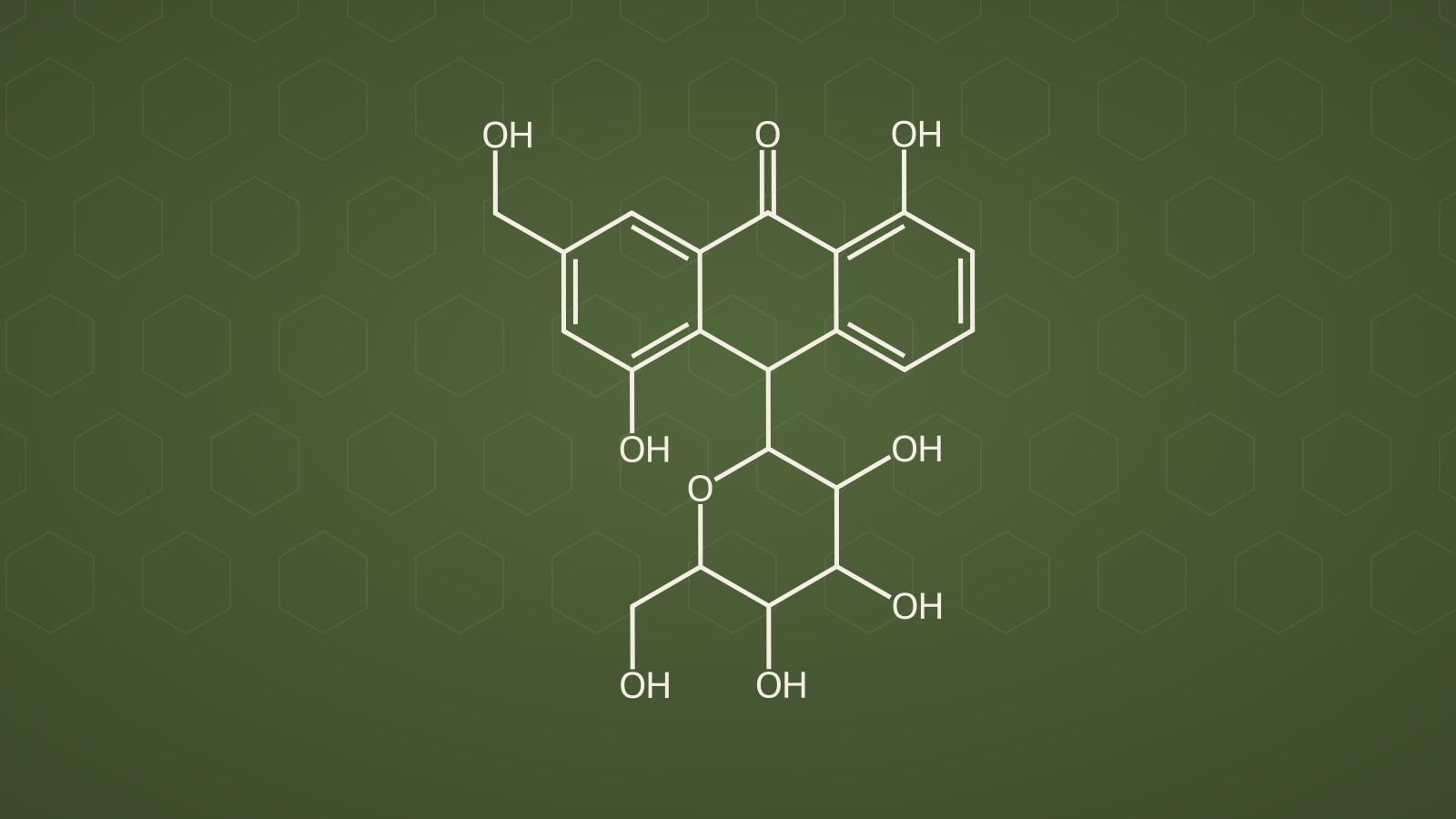
In brief
Aloe gel is mostly water and polysaccharides such as acemannan, and is usually applied to the skin. The yellow latex contains anthraquinones such as aloin and is a strong laxative.
Safer ways to use it
- Use the gel on your skin for mild sunburn, testing it first on a small patch.
- For products you swallow, choose one from which the aloin has been removed and whose label states the content.
- Avoid using the yellow latex as a laxative for long periods.
A warning
The US National Toxicology Program found that whole-leaf extract that had not been decolourised caused intestinal tumours in rats, and IARC classes it in group 2B (possibly carcinogenic to humans).
Go deeper (mechanisms, methods, limitations)
Data on burns and wounds
Some small trials report that aloe gel shortens the healing time of mild burns, but the quality is low and the results are not consistent.
In the library
References
- National Toxicology Program. NTP TR-577. 2013.
More articles
Piperine in black pepper and the bioavailability of curcumin
Piperine greatly raises blood curcumin levels, but the same mechanism also changes how many drugs are metabolised.
Turmeric and curcumin: what the evidence says about inflammation
Curcumin does many things in laboratory experiments, but the clinical evidence is modest. This article separates what we know at the level of cells, animals and people.

Herb–drug interactions: what to know before you combine them
Herbs are mixtures of many active compounds and can change the levels or effects of prescription drugs. The plant that most often causes interactions is St John's wort.