
Liquorice, glycyrrhizin and blood pressure: why something sweet can do harm
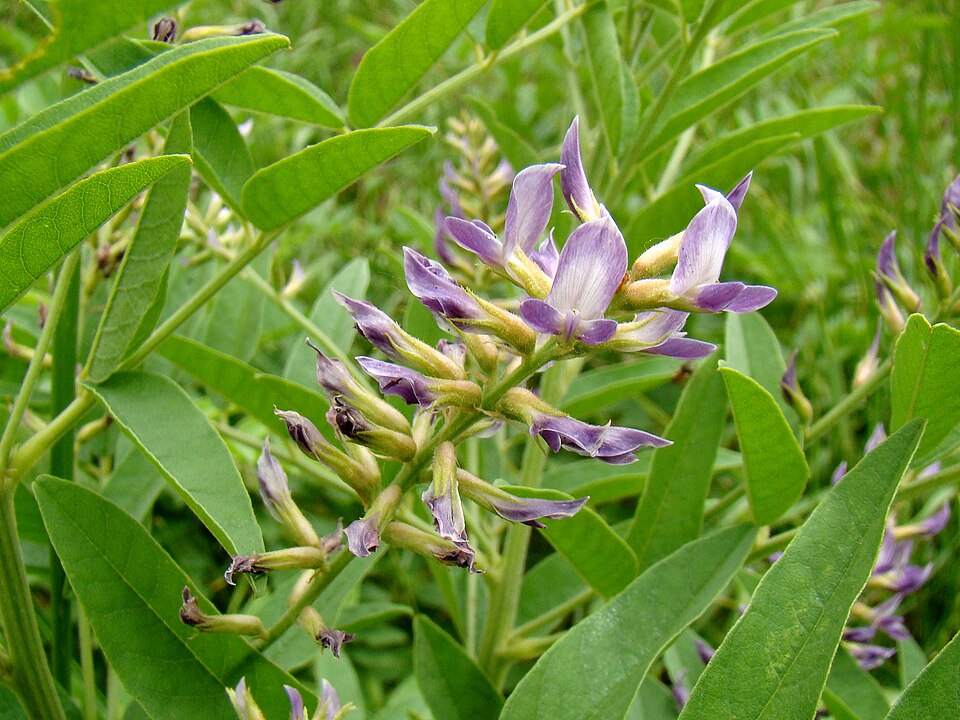
Glycyrrhizin inhibits an enzyme in the kidney and can cause high blood pressure and low blood potassium when it is taken in large amounts or for a long time.
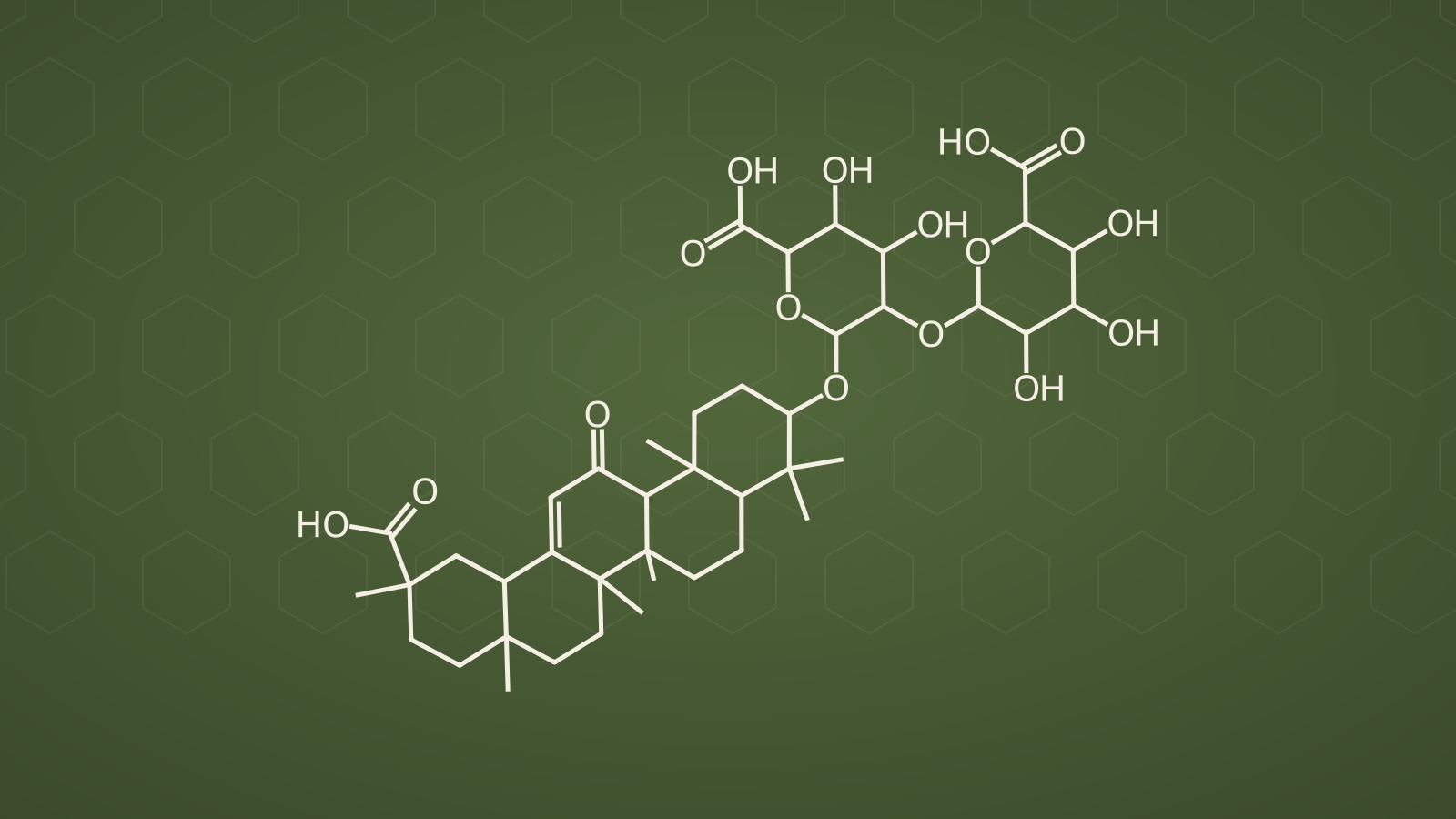
In brief
Liquorice is a familiar herb in teas, cough medicines and sweets. Glycyrrhizin, the compound that makes it sweet, lets cortisol activate the mineralocorticoid receptor in the kidney, so the body holds on to sodium, loses potassium and blood pressure rises.
Who is at risk
- People who eat or drink liquorice regularly, including black liquorice sweets.
- People with high blood pressure, heart failure or kidney disease.
- People taking potassium-wasting diuretics or digoxin.
- Pregnant women.
Using it with care
Many agencies treat about 100 mg of glycyrrhizin a day as a threshold for caution. If you need to use liquorice, use it for a short time, choose a product from which the glycyrrhizin has been removed (DGL) if it is for digestion, and check your blood pressure regularly.
Go deeper (mechanisms, methods, limitations)
Mechanism
Glycyrrhetinic acid, the metabolite of glycyrrhizin, inhibits 11β-hydroxysteroid dehydrogenase type 2. This enzyme normally inactivates cortisol in the kidney; when it is inhibited, cortisol acts on the mineralocorticoid receptor in the same way as aldosterone, causing a pseudo-hyperaldosteronism syndrome.
A lingering effect
Blood pressure and potassium can take days to weeks to return to normal after you stop liquorice.
In the library
References
- Omar HR, et al. Licorice abuse: time to send a warning message. Ther Adv Endocrinol Metab. 2012;3(4):125–138.
More articles
Piperine in black pepper and the bioavailability of curcumin
Piperine greatly raises blood curcumin levels, but the same mechanism also changes how many drugs are metabolised.
Turmeric and curcumin: what the evidence says about inflammation
Curcumin does many things in laboratory experiments, but the clinical evidence is modest. This article separates what we know at the level of cells, animals and people.

Herb–drug interactions: what to know before you combine them
Herbs are mixtures of many active compounds and can change the levels or effects of prescription drugs. The plant that most often causes interactions is St John's wort.