
Turmeric, pepper and chilli in cooking: how the active compounds in spices interact
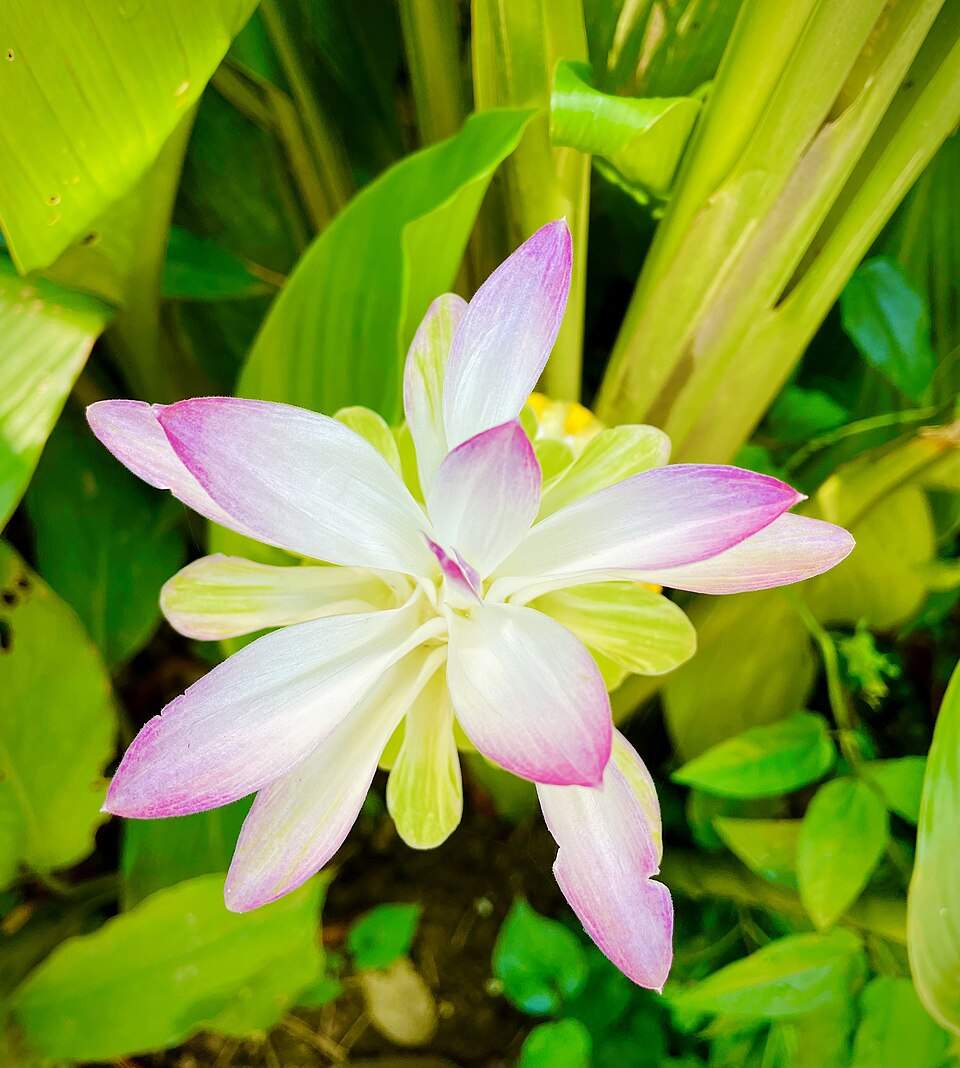
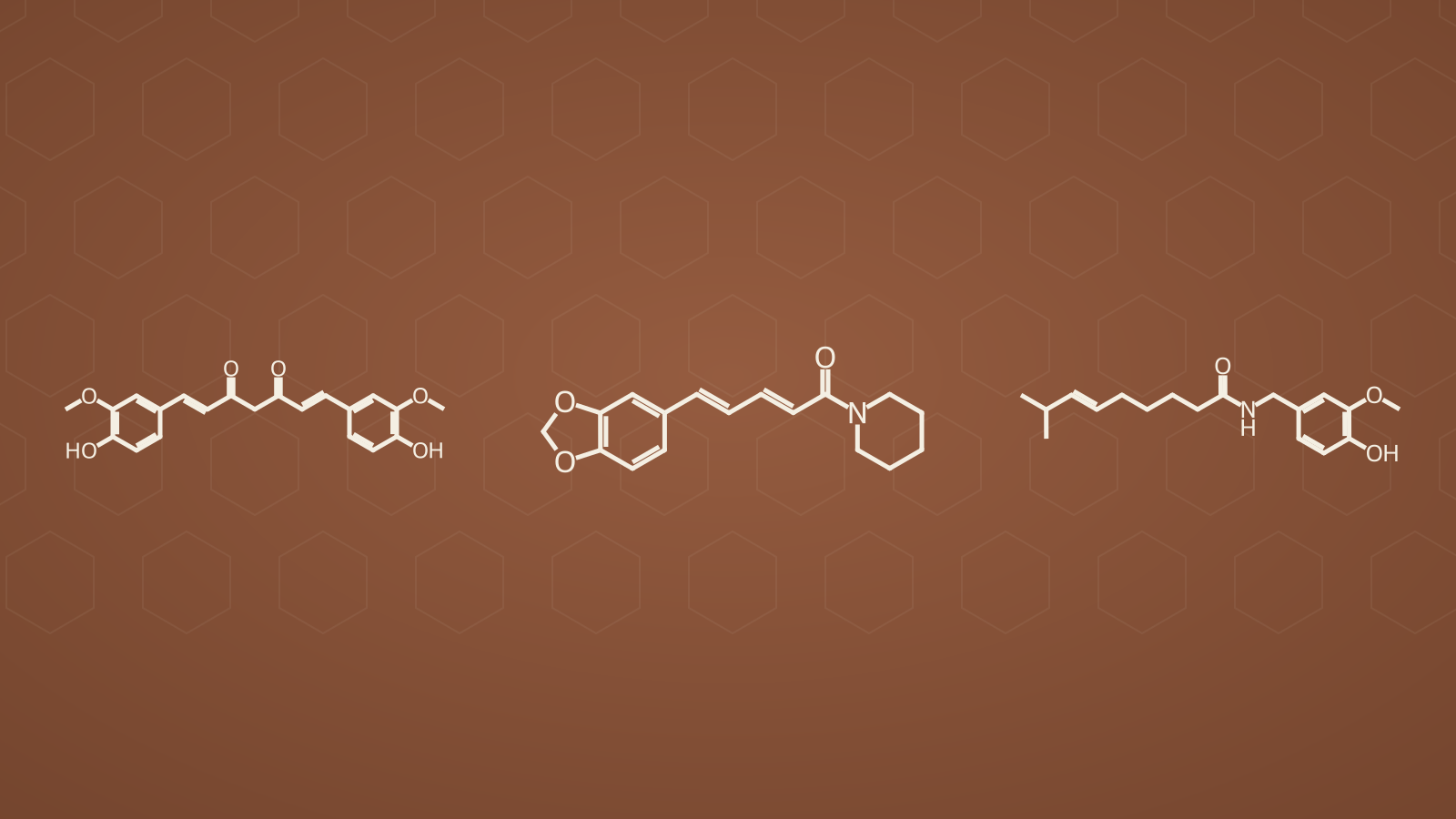
Piperine boosts the absorption of curcumin, and capsaicin activates the heat receptor. The amount of spice in a meal is far below the doses used in trials.
In brief
Spices add flavour and are part of a normal diet, but you should not expect a pharmacological dose from ordinary cooking.
Curry as an example
- Turmeric supplies curcumin, and the fat in the dish helps it dissolve.
- Black pepper supplies piperine, which increases absorption.
- Chilli supplies capsaicin, which gives the heat.
A note
If you have reflux or stomach pain, chilli may make your symptoms worse. If you take drugs, bear in mind what piperine does to drug metabolism when you use extract capsules.
Go deeper (mechanisms, methods, limitations)
A quick calculation
A teaspoon of turmeric powder (about 3 g) with 2–5% curcuminoids gives about 60–150 mg, while trials usually use 500–2000 mg.
In the library
References
- Shoba G, et al. Planta Med. 1998;64(4):353–356.
More articles
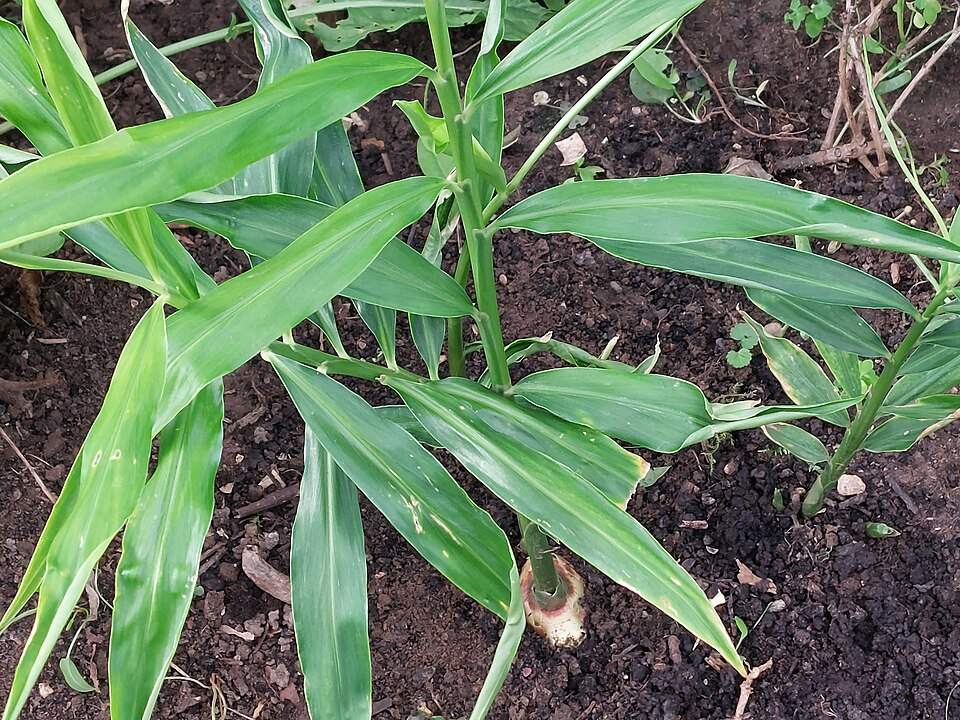
Herbal tea for the airways: a recipe and the data behind it
Ginger, black elderberry and echinacea are often combined. This article explains how far the evidence goes for each ingredient and how to prepare the tea safely.
Fresh or dried ginger: how gingerol and shogaol change
Processing changes the active constituents of ginger. Fresh ginger is rich in gingerol, while dried ginger and ginger cooked for a long time are rich in shogaol.
Warm turmeric–ginger drink: how to make it, and its limits
A simple traditional recipe, with a calculation showing that the curcumin in a cup is far below the dose used in trials.