
Berberine and blood glucose: the evidence, the limits and the drug interactions

Berberine has been widely studied in type 2 diabetes, but its bioavailability is low and it has significant drug interactions.
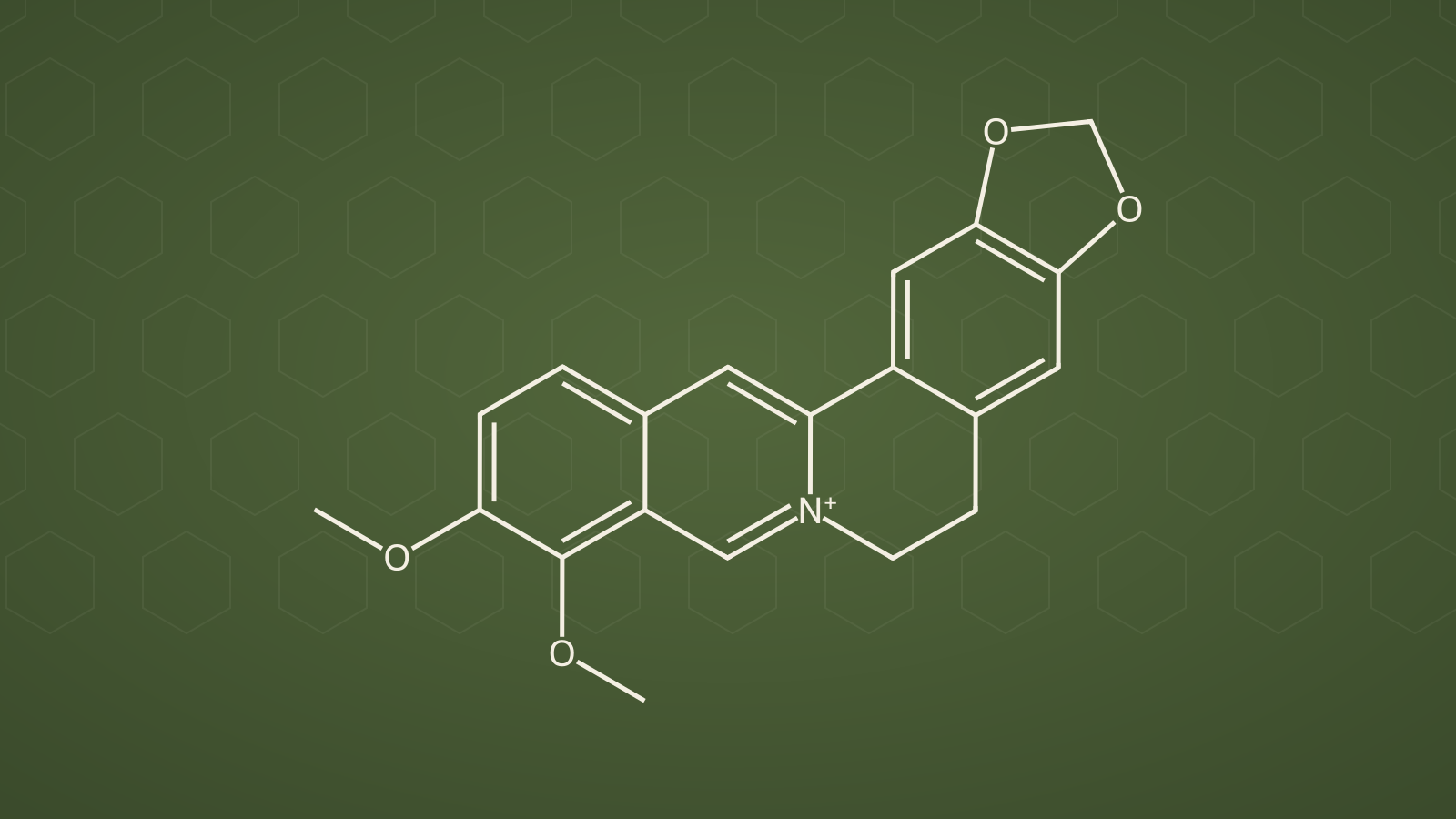
In brief
Meta-analyses of trials, mostly from China, report that berberine lowers fasting glucose and HbA1c. However, the trials are of low quality, and large independent trials have not confirmed the effect.
Adverse effects
- Constipation, bloating and diarrhoea.
- Not for pregnant women or newborns, because of the risk of kernicterus.
Drug interactions
Berberine inhibits CYP2D6, CYP3A4 and P-glycoprotein and may raise the levels of ciclosporin, some cardiovascular drugs and glucose-lowering drugs. Combined with glucose-lowering drugs, it may cause hypoglycaemia.
Go deeper (mechanisms, methods, limitations)
A pharmacokinetic paradox
Its oral bioavailability is below 1%, yet a clinical effect is still reported. One hypothesis is that it acts mainly in the gut and through the microbiome, not through its concentration in the blood.
In the library
References
- Yin J, Xing H, Ye J. Metabolism. 2008;57(5):712–717.
More articles

Piperine in black pepper and the bioavailability of curcumin
Piperine greatly raises blood curcumin levels, but the same mechanism also changes how many drugs are metabolised.
Turmeric and curcumin: what the evidence says about inflammation
Curcumin does many things in laboratory experiments, but the clinical evidence is modest. This article separates what we know at the level of cells, animals and people.
Herb–drug interactions: what to know before you combine them
Herbs are mixtures of many active compounds and can change the levels or effects of prescription drugs. The plant that most often causes interactions is St John's wort.