
Gac, lycopene and β-carotene: the nutritional value of gac sticky rice
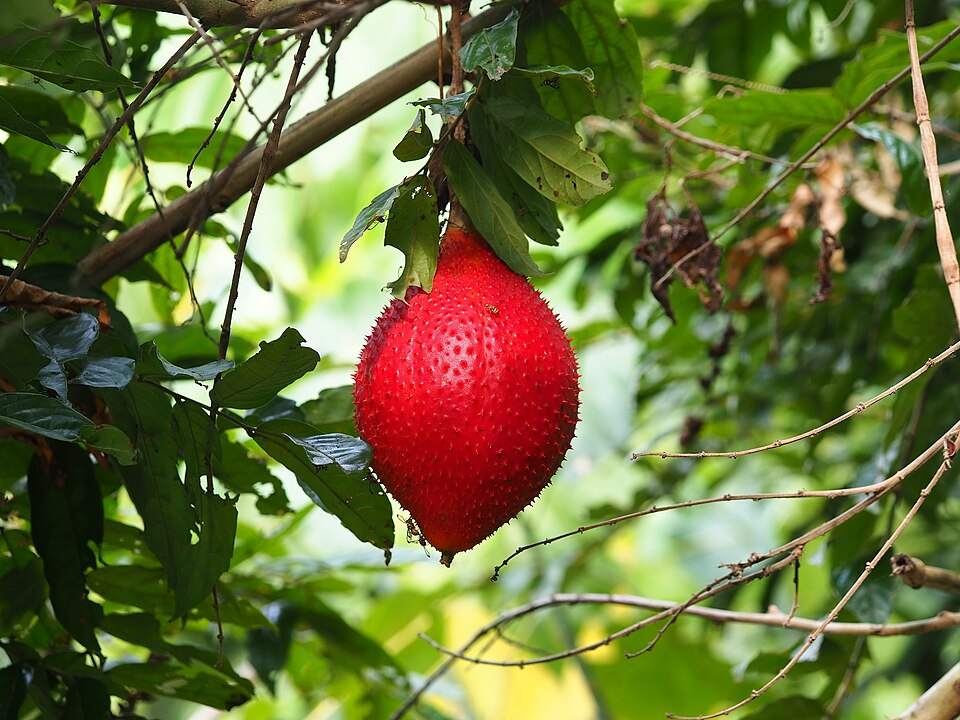
Gac aril is rich in carotenoids. Absorption depends on fat, so dishes made with oil, or with fatty glutinous rice, improve absorption.
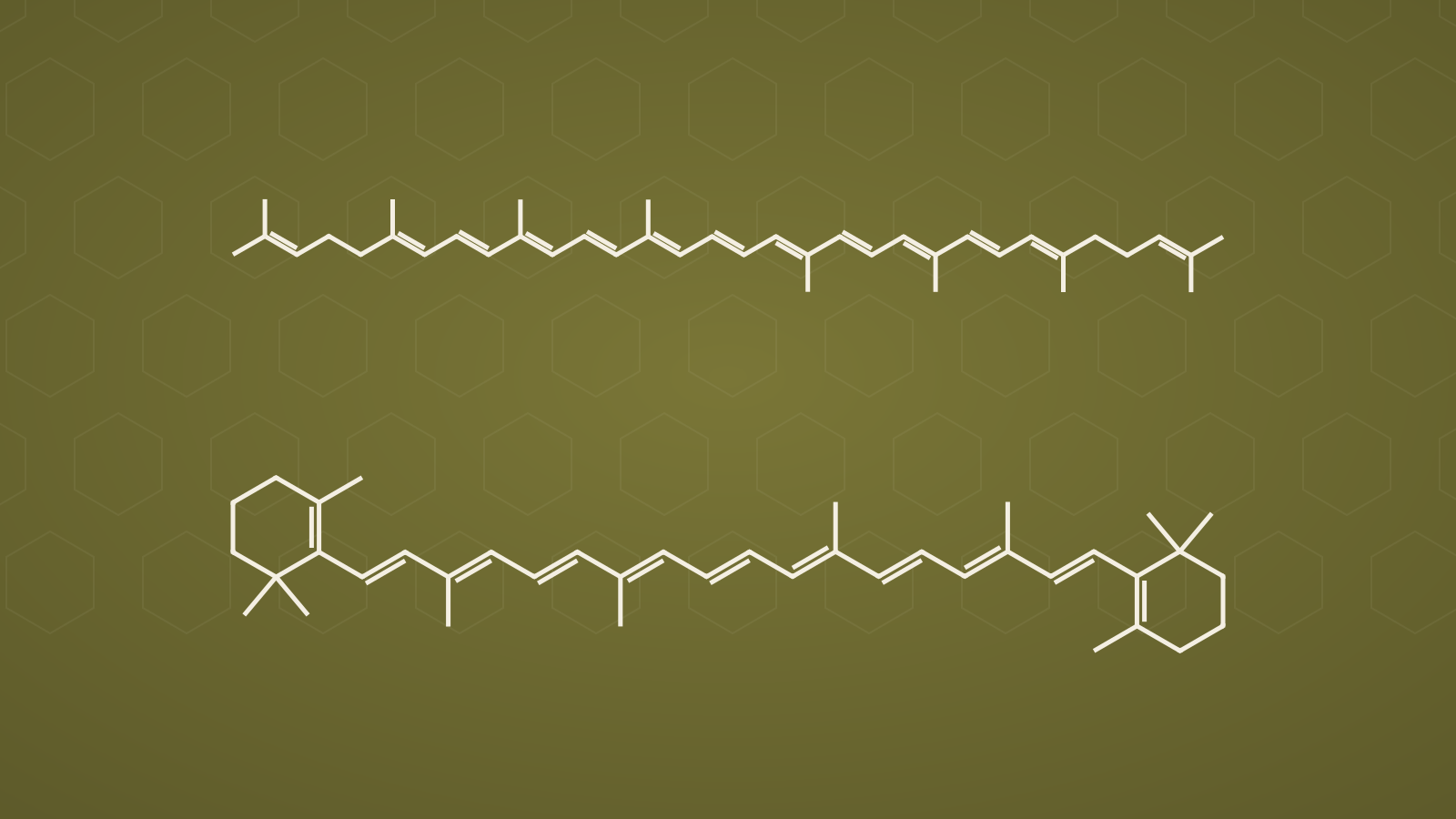
In brief
Gac is a substantial source of lycopene and β-carotene. The body converts β-carotene to vitamin A, while lycopene has no vitamin A activity.
How to eat it to absorb it well
- Eat it with fat (oil, lard, coconut).
- Cooking and mashing break open the cells and release more of the carotenoids.
- There is no need to eat very large amounts: carotenoids from food are enough to meet your needs.
A note
Eating large amounts for a long time can turn the skin orange-yellow (carotenaemia), which is harmless and fades when you eat less. Gac seeds are not for eating.
Go deeper (mechanisms, methods, limitations)
Carotenoids from food and from capsules
Data from the ATBC and CARET trials show that high-dose β-carotene capsules raise the risk of lung cancer in smokers, while carotenoids from vegetables and fruit carry no such warning. See the article on β-carotene and lung cancer.
In the library
More articles
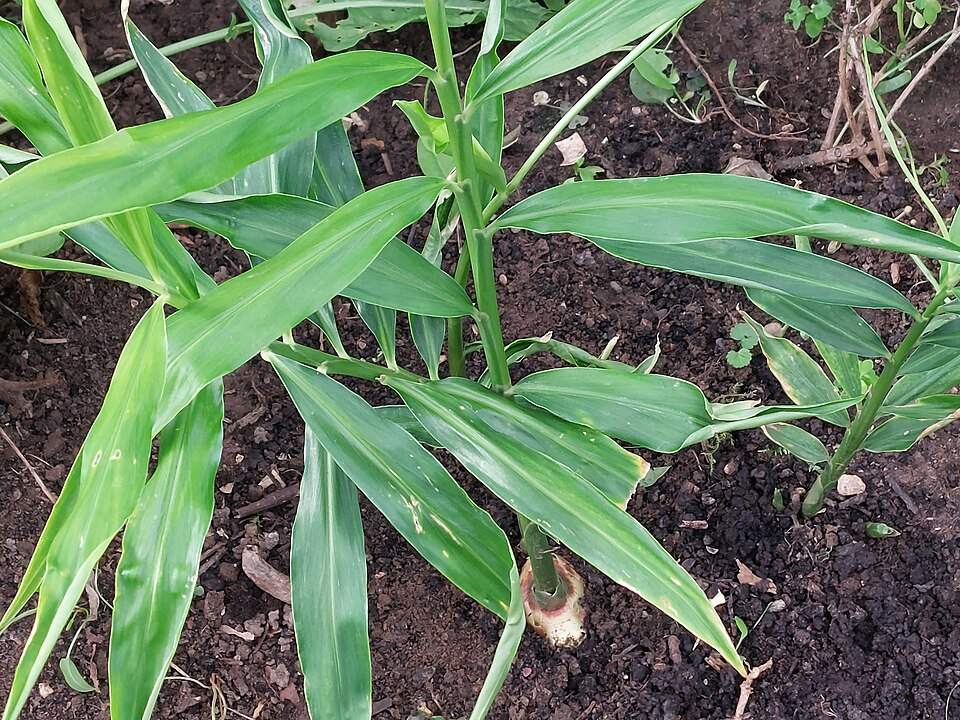
Ginger and digestion: how it works
Gingerol and shogaol act on the 5-HT3 and TRPV1 receptors. The best clinical evidence is for nausea in pregnancy.
Herbs in pregnancy: a cautious approach
There are very few safety data on most herbs in pregnancy. The general rule is to avoid them until there is evidence that they are safe.

Cranberry and urinary tract infection: the evidence today
A 2023 Cochrane review found that cranberry may lower the risk of urinary tract infection in some groups, but it does not treat an infection that is already under way.