
St John's wort: how well it works in mild depression, and the risk of drug interactions
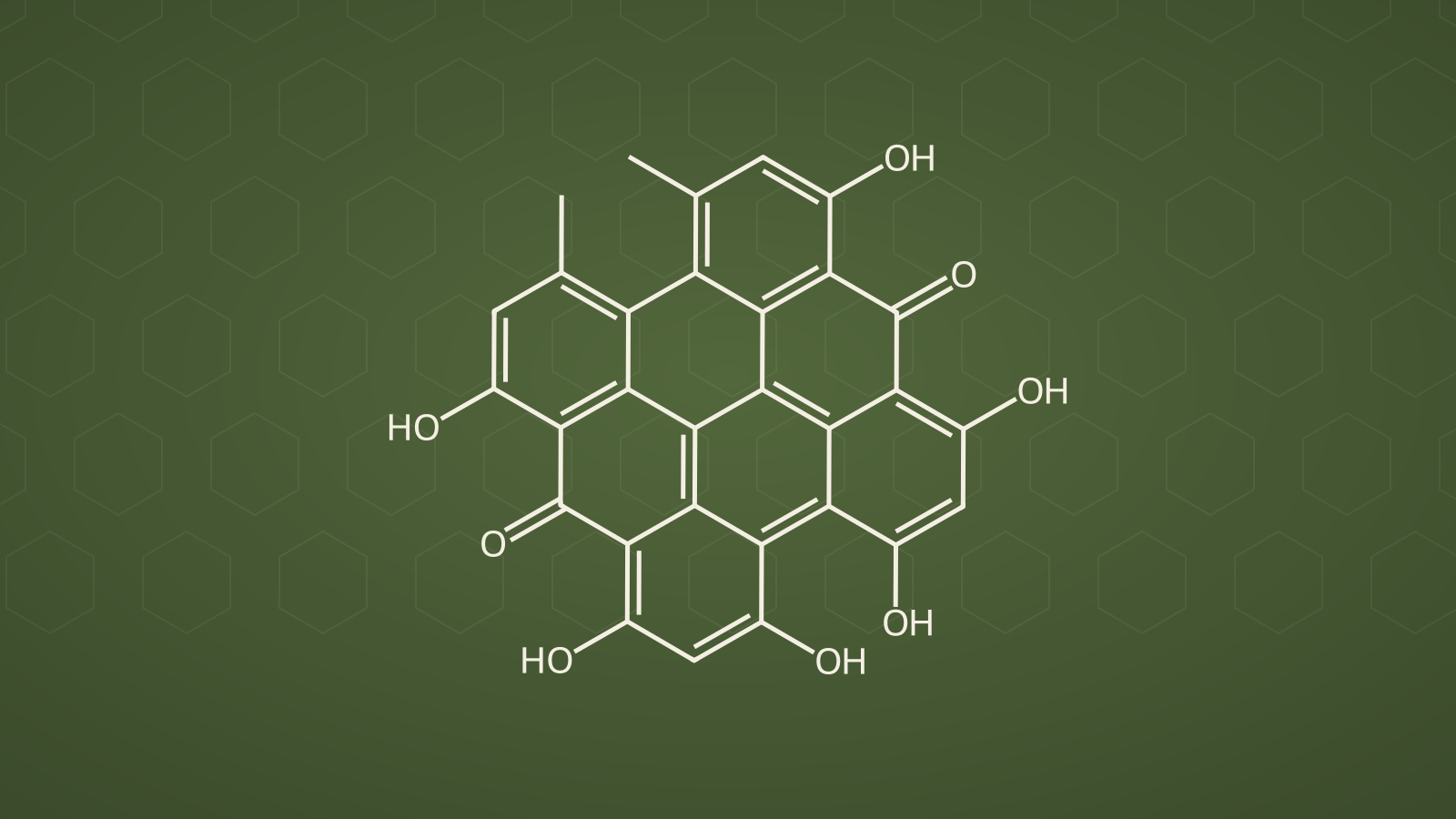
Hyperforin activates the PXR receptor and induces CYP3A4 and P-glycoprotein, lowering the levels of many important drugs.
In brief
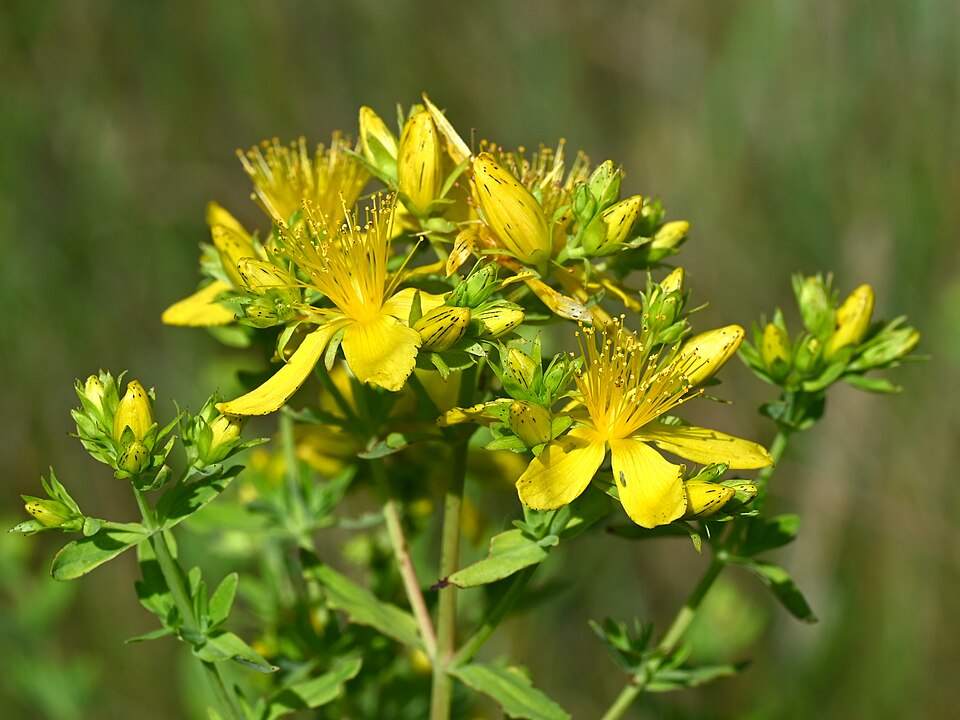
A Cochrane review found St John's wort more effective than placebo in mild to moderate depression. But it is also the medicinal plant with the most drug interactions, because it induces drug-metabolising enzymes.
Drugs that are affected
- Ciclosporin and tacrolimus: lower levels, with a risk of transplant rejection.
- HIV antivirals and some cancer drugs.
- Oral contraceptives: a risk of breakthrough bleeding and unintended pregnancy.
- Warfarin: a weaker anticoagulant effect.
What to avoid
Do not combine it with SSRI antidepressants or MAO inhibitors, because of the risk of serotonin syndrome. Never stop a prescription drug on your own in order to replace it with St John's wort.
Go deeper (mechanisms, methods, limitations)
Enzyme induction lasts a while
Induction of CYP3A4 builds up over a few days and lasts for about two weeks after you stop, so the interaction does not vanish the moment you stop taking it.
The role of hyperforin
How strongly it induces enzymes depends on the hyperforin content. Extracts with less hyperforin induce less, but they may also be less effective against depression.
In the library
References
- Linde K, Berner MM, Kriston L. Cochrane Database Syst Rev. 2008;(4):CD000448.
- Izzo AA, Ernst E. Drugs. 2009;69(13):1777–1798.
More articles
Piperine in black pepper and the bioavailability of curcumin
Piperine greatly raises blood curcumin levels, but the same mechanism also changes how many drugs are metabolised.
Turmeric and curcumin: what the evidence says about inflammation
Curcumin does many things in laboratory experiments, but the clinical evidence is modest. This article separates what we know at the level of cells, animals and people.

Herb–drug interactions: what to know before you combine them
Herbs are mixtures of many active compounds and can change the levels or effects of prescription drugs. The plant that most often causes interactions is St John's wort.