
Piperine in black pepper and the bioavailability of curcumin

Piperine greatly raises blood curcumin levels, but the same mechanism also changes how many drugs are metabolised.
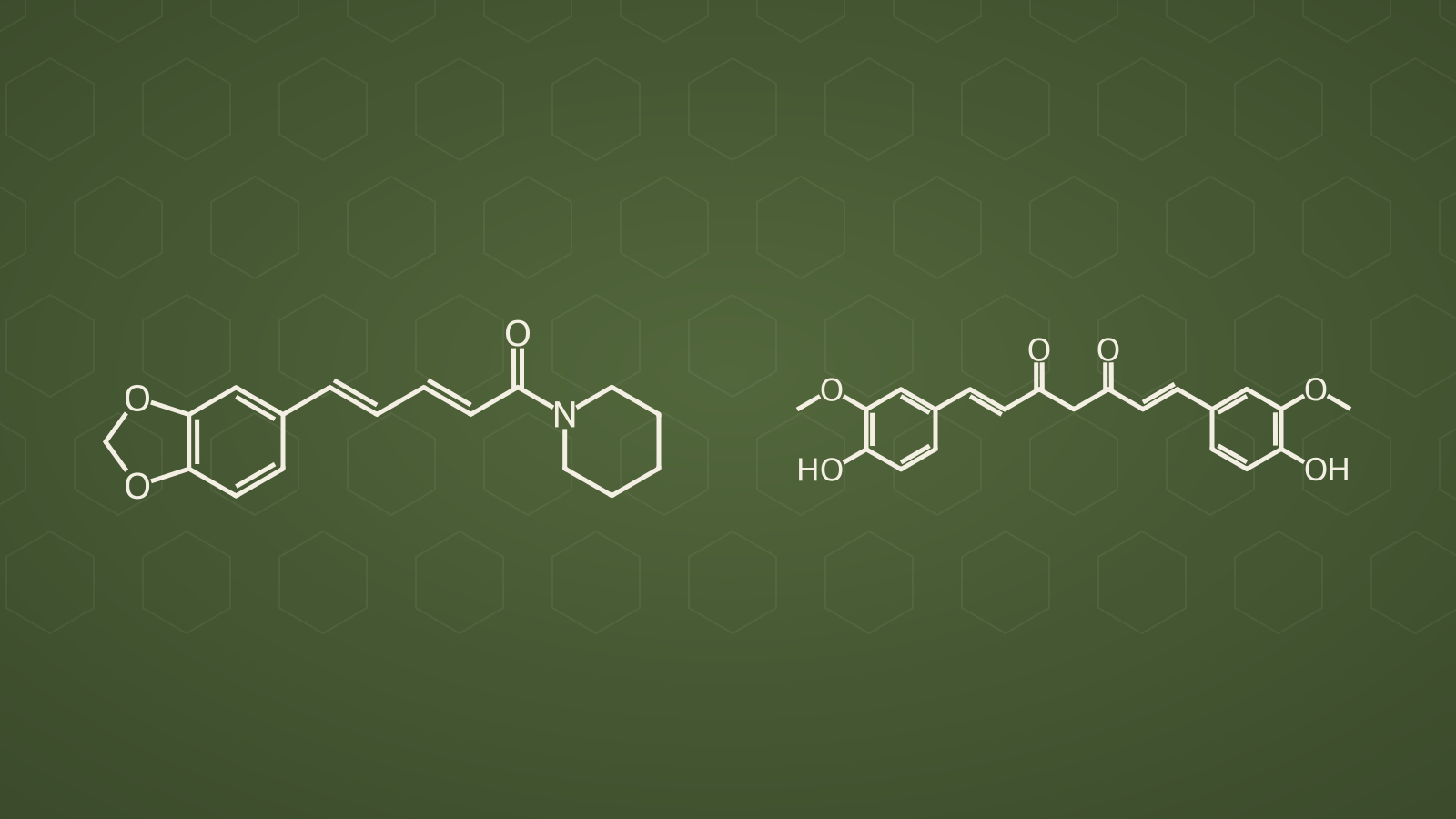
In brief
Curcumin taken on its own barely reaches measurable levels in plasma. Adding piperine, the active compound of black pepper, raises the levels several-fold. The price is that piperine can change the levels of drugs taken at the same time.
Data in people
In a small group of healthy volunteers, Shoba and colleagues (1998) found that a 2 g dose of curcumin was almost undetectable in serum, while adding 20 mg of piperine raised its bioavailability many times over. It was a small pharmacokinetic study and did not assess any therapeutic effect.
What this means in practice
- A higher curcumin level does not mean a better clinical effect; that needs trials of its own.
- If you take prescription drugs, ask a doctor or pharmacist before using capsules that contain piperine.
Go deeper (mechanisms, methods, limitations)
Mechanism
Piperine inhibits glucuronidation in the liver and gut, which is the main way the body clears curcumin. Experimental studies also report that it inhibits the enzyme CYP3A4 and P-glycoprotein, so it may raise the levels of drugs that are substrates of those two systems.
Other ways to increase absorption
Liposomal, phytosome, micelle and nanoparticle formulations are all on the market. Each has its own pharmacokinetic data, and you cannot extrapolate from one formulation to another.
In the library
References
- Shoba G, et al. Influence of piperine on the pharmacokinetics of curcumin in animals and human volunteers. Planta Med. 1998;64(4):353–356.
- Nelson KM, et al. J Med Chem. 2017;60(5):1620–1637.
More articles
Turmeric and curcumin: what the evidence says about inflammation
Curcumin does many things in laboratory experiments, but the clinical evidence is modest. This article separates what we know at the level of cells, animals and people.
Herb–drug interactions: what to know before you combine them
Herbs are mixtures of many active compounds and can change the levels or effects of prescription drugs. The plant that most often causes interactions is St John's wort.
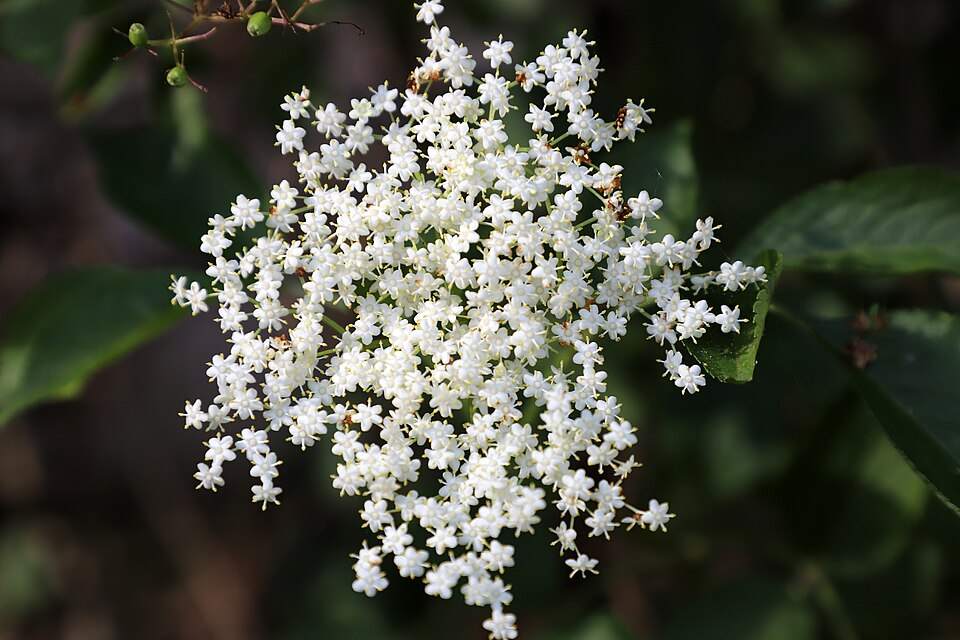
Black elderberry: why it must be cooked first
The raw berries, leaves, stems and seeds of black elderberry contain cyanogenic glycosides. Cooking reduces the risk of poisoning.