
Drinking green tea versus taking EGCG extract capsules: two different things
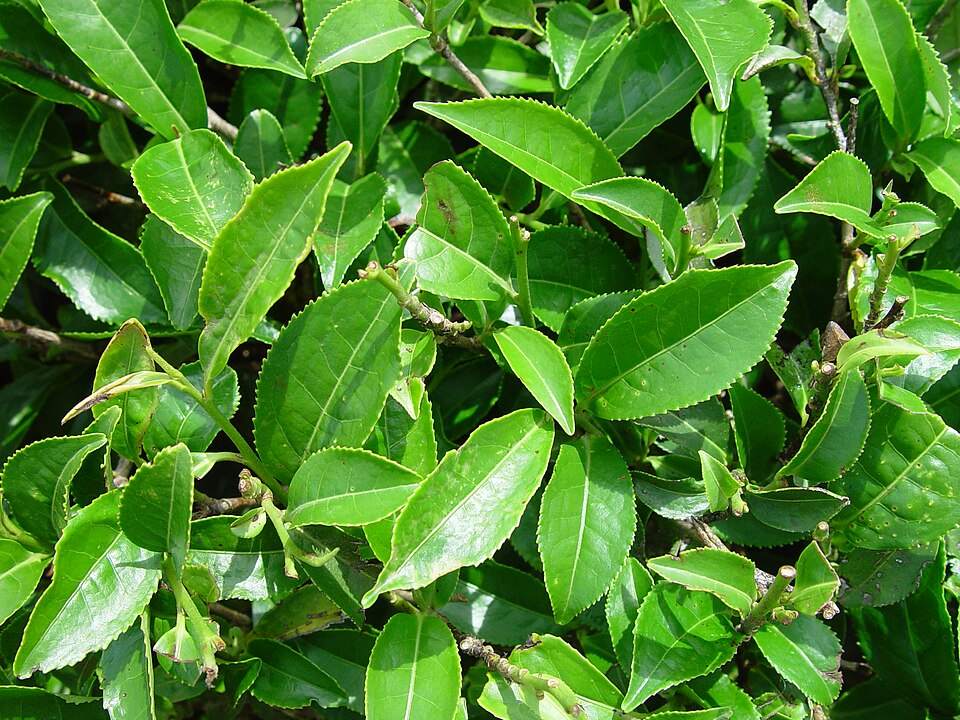
Drinking tea is safe in ordinary amounts. High-dose EGCG capsules, especially when taken on an empty stomach, have been linked to raised liver enzymes.
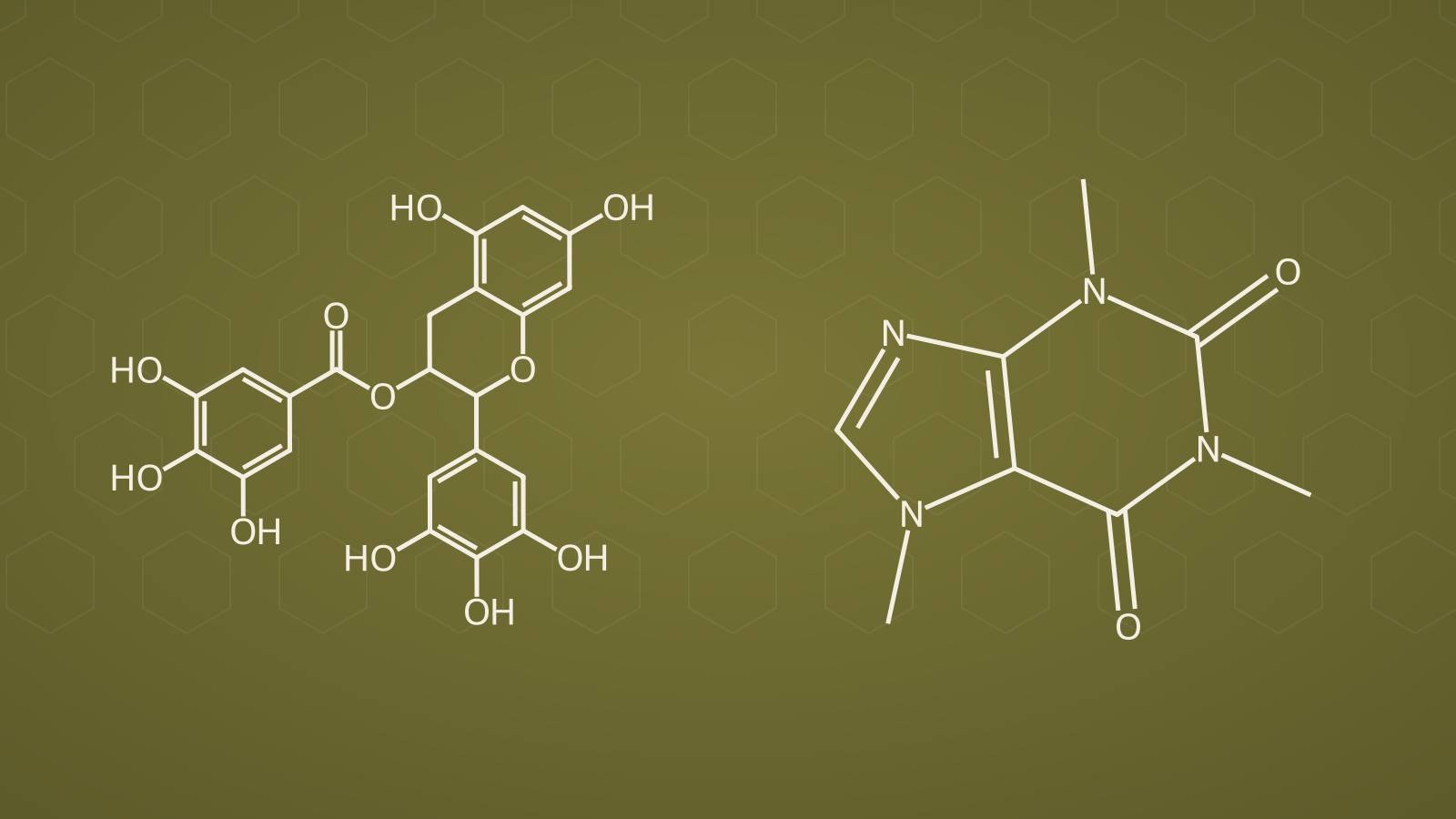
In brief
EFSA (2018) concluded that EGCG doses of 800 mg a day or more from supplements can raise liver enzymes in some people. A cup of tea usually contains far less.
Weight loss
A Cochrane review found no clinically meaningful weight loss with green tea.
Practical suggestions
- Drink tea rather than taking extract capsules.
- Do not take EGCG capsules on an empty stomach.
- Keep an eye on how much caffeine you have, especially in pregnancy.
- Tea can reduce the absorption of iron from plants, so drink it between meals.
Go deeper (mechanisms, methods, limitations)
Bioavailability
EGCG is poorly absorbed, but plasma levels are higher when it is taken on an empty stomach. This is thought to be one reason why high-dose capsules can damage the liver.
In the library
References
- Jurgens TM, et al. Cochrane Database Syst Rev. 2012;(12):CD008650.
- EFSA J. 2018;16(4):5239.
More articles
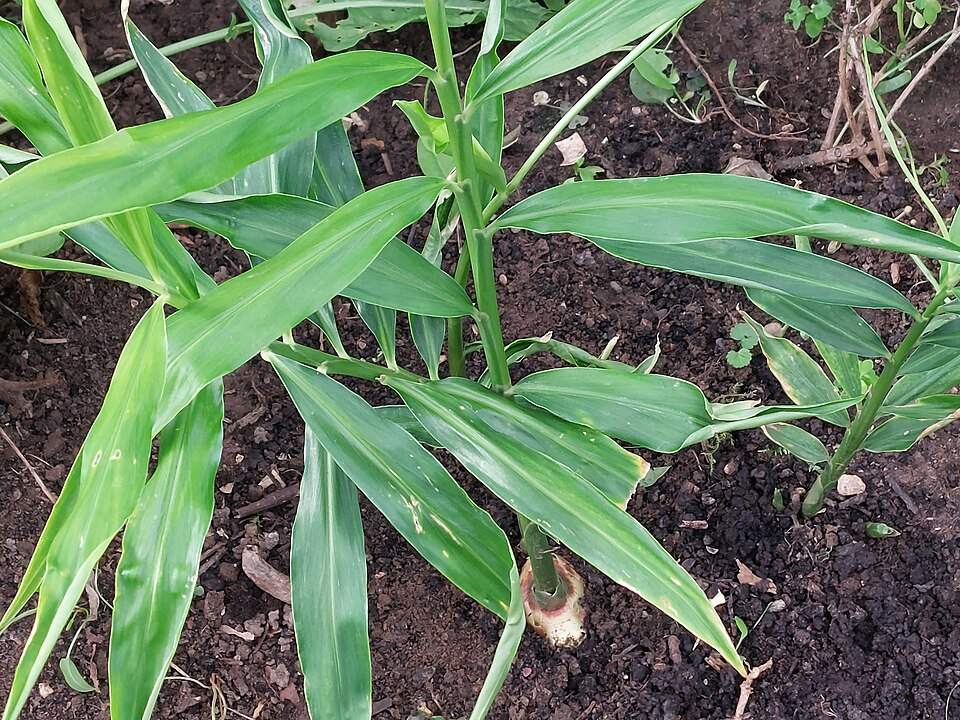
Ginger and digestion: how it works
Gingerol and shogaol act on the 5-HT3 and TRPV1 receptors. The best clinical evidence is for nausea in pregnancy.
Herbs in pregnancy: a cautious approach
There are very few safety data on most herbs in pregnancy. The general rule is to avoid them until there is evidence that they are safe.

Cranberry and urinary tract infection: the evidence today
A 2023 Cochrane review found that cranberry may lower the risk of urinary tract infection in some groups, but it does not treat an infection that is already under way.