
Grapefruit and drugs: why some medicines must not be taken with grapefruit juice
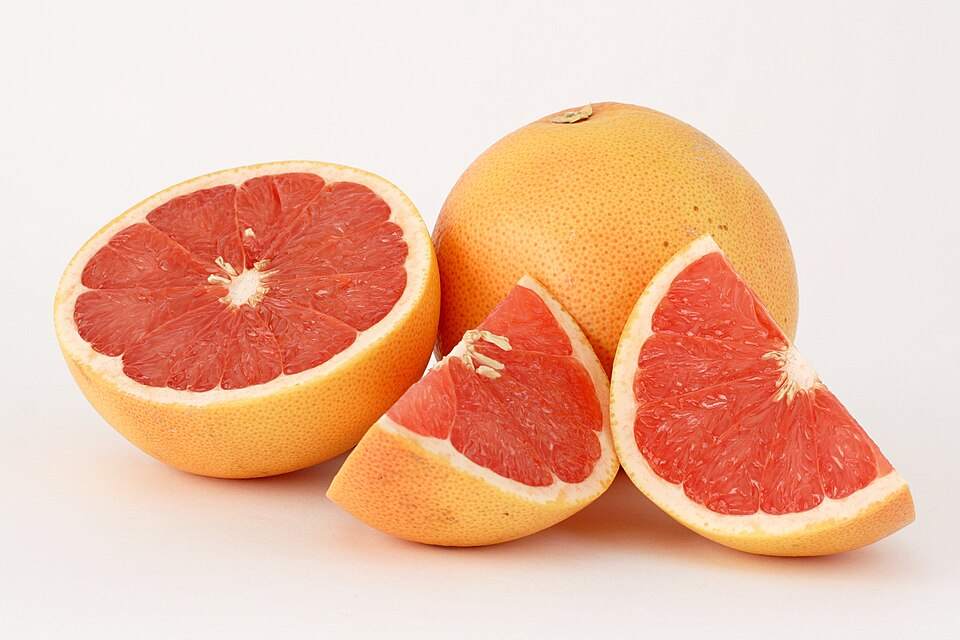
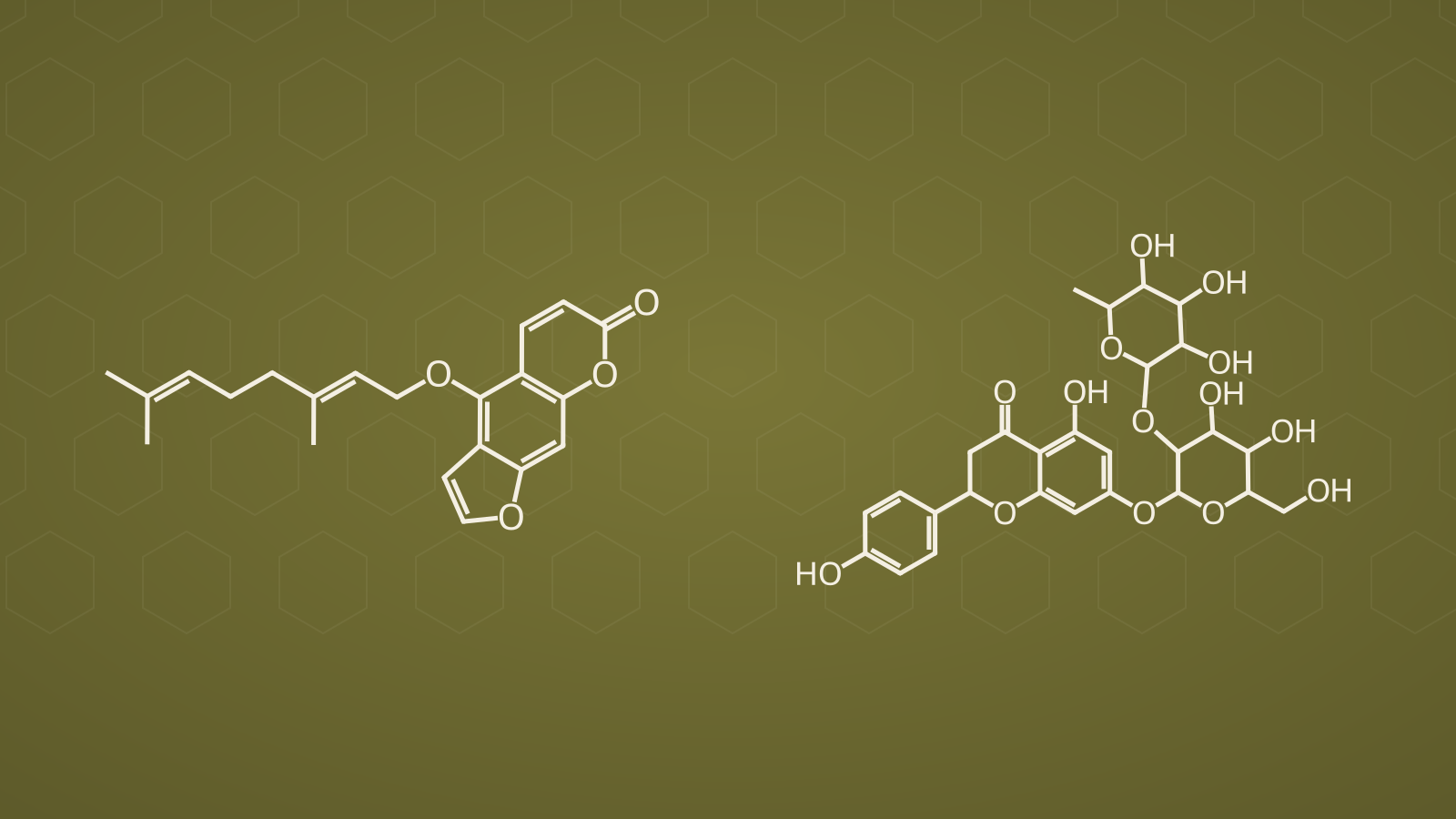
Furanocoumarins in grapefruit inhibit intestinal CYP3A4 for days and raise the levels of many drugs, such as some statins and calcium channel blockers.
In brief
Eating grapefruit or drinking grapefruit juice can raise the blood level of some drugs enough to cause adverse effects. The effect can last for more than 24 hours, so taking the drug well apart from the grapefruit does not solve the problem.
Ask a pharmacist if you take
- Statins (such as simvastatin and atorvastatin).
- Calcium channel blockers (such as felodipine).
- Some immunosuppressants and other cardiovascular drugs.
What about Vietnamese pomelo?
Vietnamese pomelo (Citrus maxima) may also contain furanocoumarins, but there are far fewer data on how strongly it interacts than there are for grapefruit. The most cautious course is to ask a pharmacist if your medicine carries a warning about grapefruit.
Go deeper (mechanisms, methods, limitations)
Mechanism
Bergamottin and related furanocoumarins are mechanism-based inhibitors of CYP3A4 in the gut wall. The enzyme is irreversibly inactivated, so new enzyme has to be made, which takes 1–3 days.
In the library
References
- Bailey DG, Dresser G, Arnold JM. CMAJ. 2013;185(4):309–316.
More articles

Ginger and digestion: how it works
Gingerol and shogaol act on the 5-HT3 and TRPV1 receptors. The best clinical evidence is for nausea in pregnancy.
Herbs in pregnancy: a cautious approach
There are very few safety data on most herbs in pregnancy. The general rule is to avoid them until there is evidence that they are safe.

Cranberry and urinary tract infection: the evidence today
A 2023 Cochrane review found that cranberry may lower the risk of urinary tract infection in some groups, but it does not treat an infection that is already under way.