
Ashwagandha: an adaptogen, or just hype?
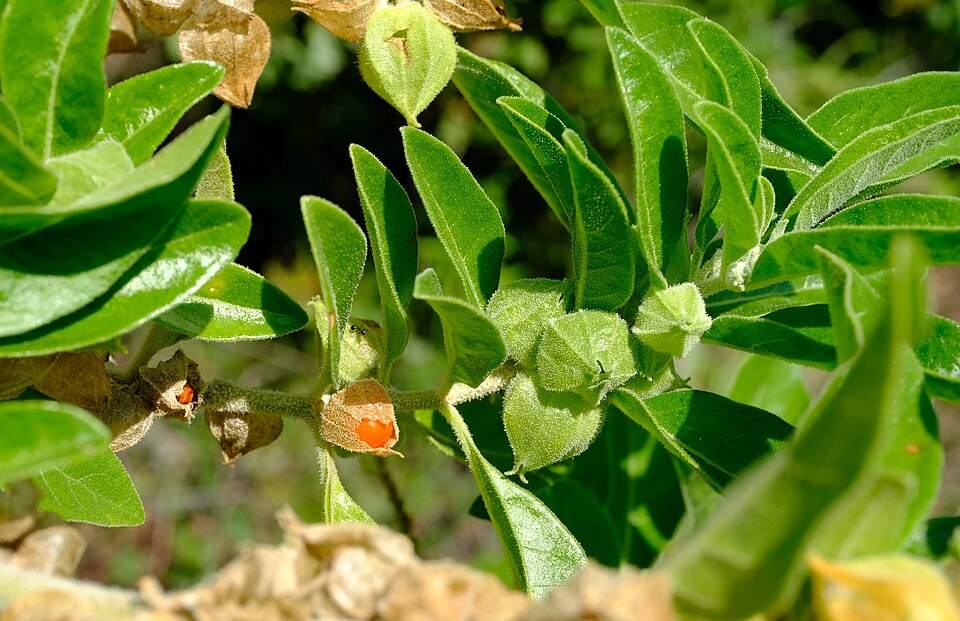
Randomised trials on stress and anxiety give encouraging signals, but they are small, short and easily biased. There are warnings about liver injury.
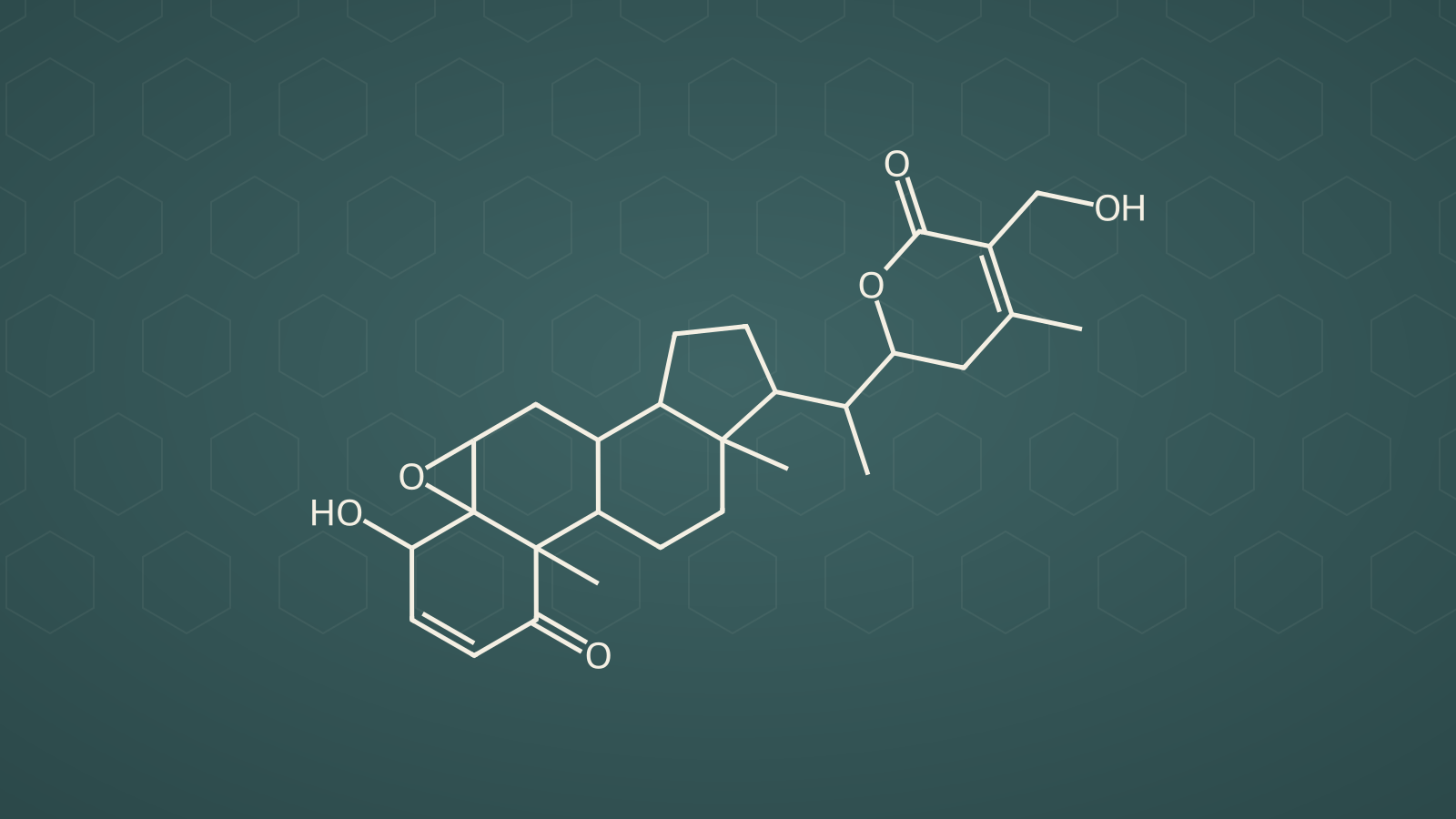
In brief
In many trials lasting 6–12 weeks, ashwagandha root extract lowered self-reported stress and anxiety scores. The quality of the evidence is moderate to low.
What to watch out for
A series of liver injuries has been reported, and thyroid hormone levels may rise. Do not take it in pregnancy.
Go deeper (mechanisms, methods, limitations)
What "adaptogen" means
"Adaptogen" is a descriptive term without a widely accepted pharmacological definition. The proposed mechanism includes modulation of the hypothalamic–pituitary–adrenal axis, but the fall in cortisol seen in trials is not consistent.
Trial quality
The trials often use a few proprietary extracts with different standardised withanolide contents, have small samples, and many are sponsored by manufacturers. Results from different extracts should not be pooled.
In the library
References
- Chandrasekhar K, et al. Indian J Psychol Med. 2012;34(3):255–262.
- Björnsson HK, et al. Liver Int. 2020;40(4):825–829.
More articles

How to read a clinical trial of an herbal product
Six questions that help you tell a trustworthy trial from one that only looks scientific.

Does the label tell the truth? Evidence from DNA barcoding
A DNA barcoding study of herbal products in North America found that many contained species that were not on the label. The result is valuable, but it has limitations.

Anthocyanins: strongly active in the test tube, poorly absorbed in people
Anthocyanins are the pigments of berries. They are strong antioxidants in vitro, but very little is absorbed intact.