
Does the label tell the truth? Evidence from DNA barcoding
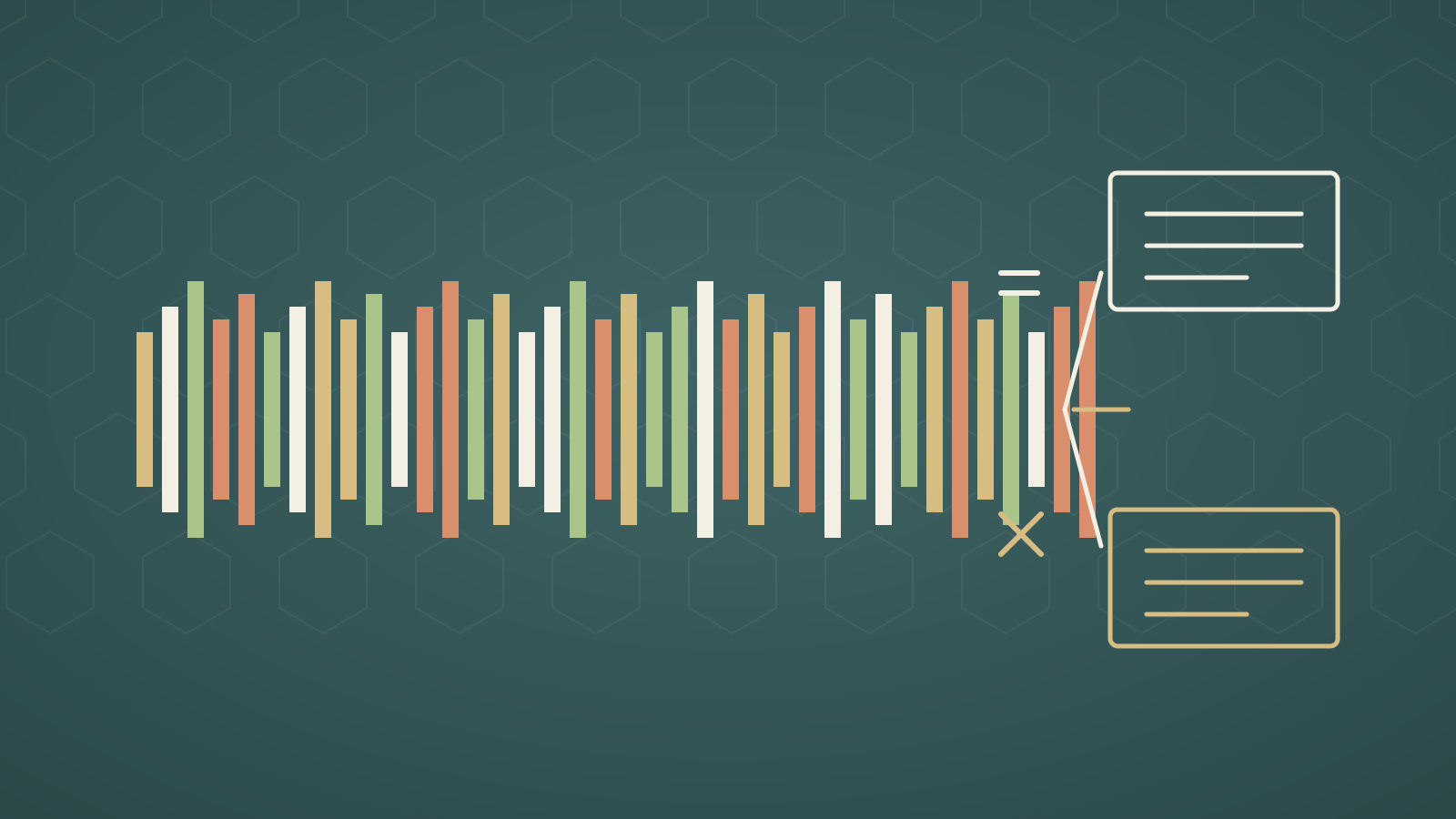
A DNA barcoding study of herbal products in North America found that many contained species that were not on the label. The result is valuable, but it has limitations.
In brief
Newmaster and colleagues (2013) used DNA barcoding to test 44 herbal products from 12 companies. More than half contained plant species that were not on the label, and many contained fillers or contaminants.
How to read the result
The result shows that a label does not always reflect what is really inside. But DNA barcoding identifies only the species; it does not measure the amount of active compound, and DNA can be degraded in extracted products.
What you can do
- Prefer products whose makers publish their testing method and the content of their markers.
- Choose manufacturers with GMP certification.
- Be wary of products that are both unusually cheap and over-promising.
Go deeper (mechanisms, methods, limitations)
Limitations of the study
The sample was small, only the North American market was surveyed, and some experts have criticised the method for possibly missing DNA in extracted products. The result is best read as a warning sign, not as an exact rate for the Vietnamese market.
References
- Newmaster SG, Grguric M, Shanmughanandhan D, Ramalingam S, Ragupathy S. DNA barcoding detects contamination and substitution in North American herbal products. BMC Med. 2013;11:222.
More articles
How to read a clinical trial of an herbal product
Six questions that help you tell a trustworthy trial from one that only looks scientific.
Ashwagandha: an adaptogen, or just hype?
Randomised trials on stress and anxiety give encouraging signals, but they are small, short and easily biased. There are warnings about liver injury.
Anthocyanins: strongly active in the test tube, poorly absorbed in people
Anthocyanins are the pigments of berries. They are strong antioxidants in vitro, but very little is absorbed intact.