
Fresh or dried ginger: how gingerol and shogaol change
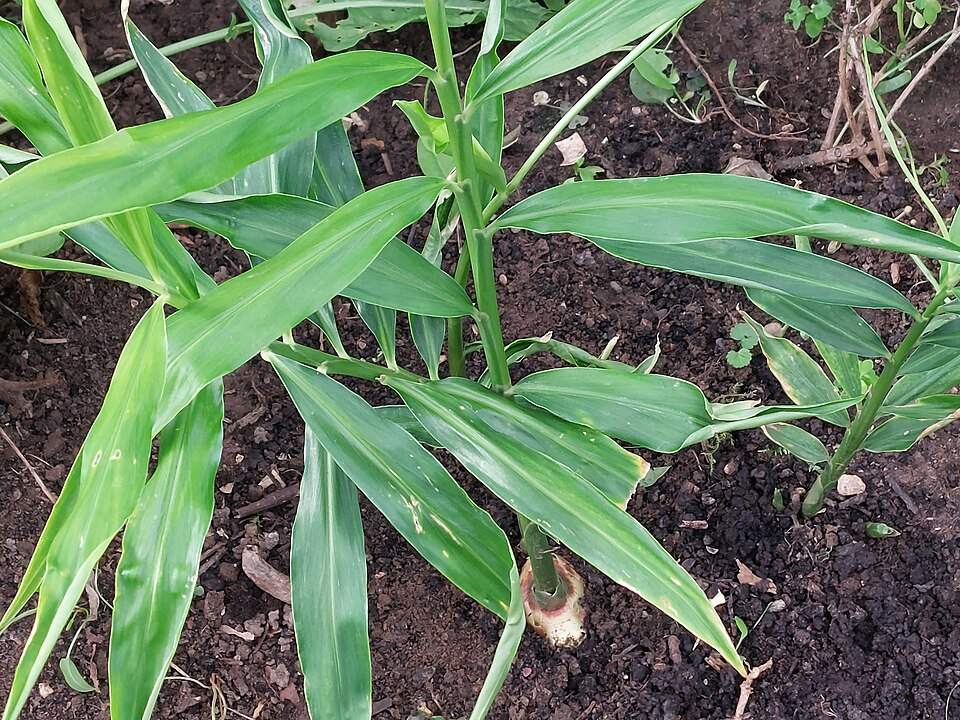
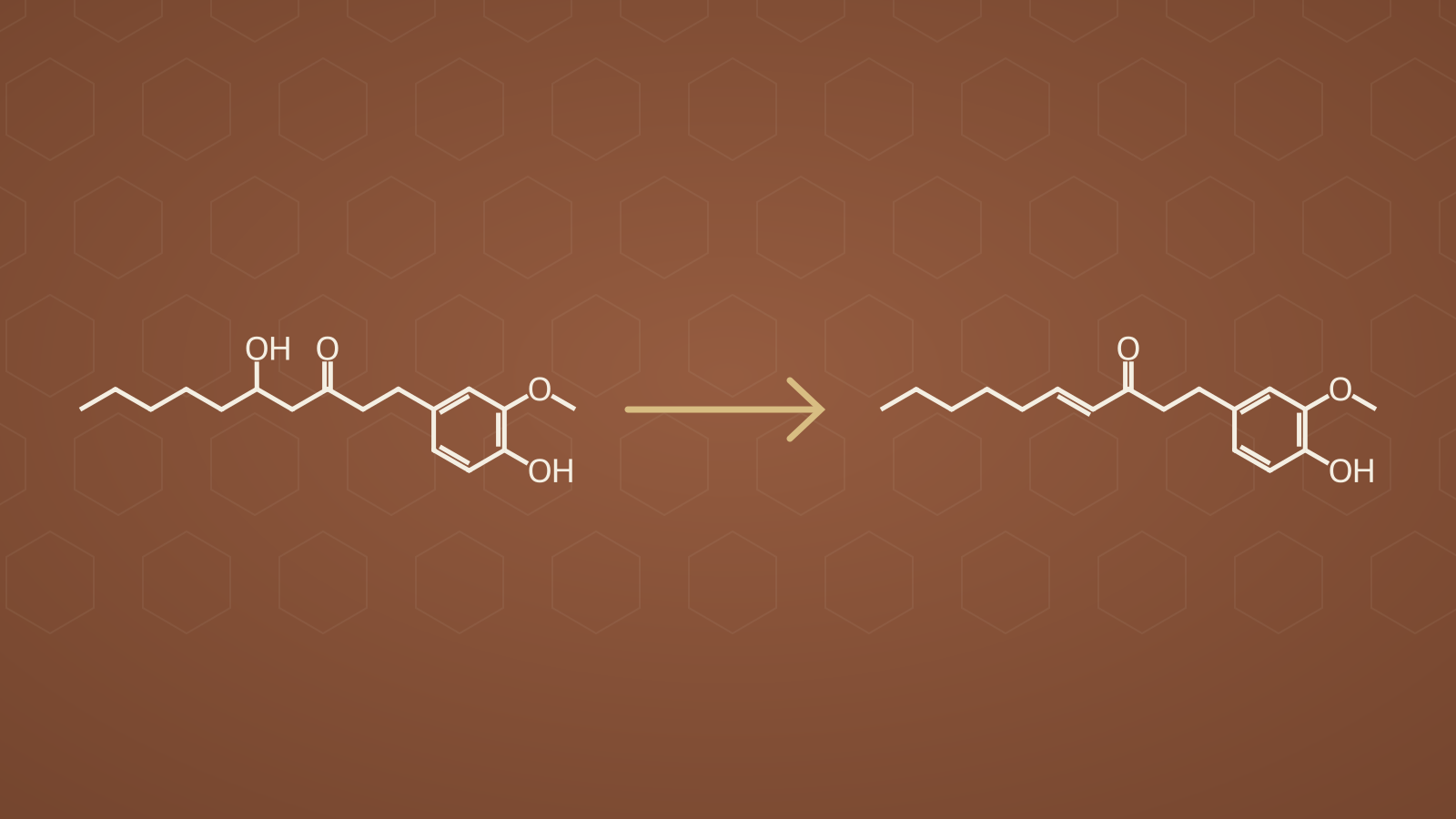
Processing changes the active constituents of ginger. Fresh ginger is rich in gingerol, while dried ginger and ginger cooked for a long time are rich in shogaol.
In brief
Fresh ginger contains mainly gingerol. When it is dried or cooked for a long time, gingerol loses water and becomes shogaol. The two groups of compounds have similar but not identical activity.
In practice
- Make ginger tea from slices of fresh ginger, simmered for 10–15 minutes.
- Dried ginger, and ginger cooked for a long time, is hotter because it contains more shogaol.
- There is no standard household dose. Trials on nausea in pregnancy usually use about 1 g of ginger a day, divided into several portions.
Safety notes
Too much can cause heartburn. Take care if you use anticoagulants, and if you are pregnant, ask a doctor about the dose.
Go deeper (mechanisms, methods, limitations)
The kinetics of the conversion
A stability study in aqueous solution showed that gingerol is most stable at about pH 4, and breaks down to shogaol faster at very acidic pH and high temperature. How you brew the tea, and for how long, therefore affects what is in the cup.
In the library
References
- Bhattarai S, Tran VH, Duke CC. The stability of gingerol and shogaol in aqueous solutions. J Pharm Sci. 2001;90(10):1658–1664.
More articles
Herbal tea for the airways: a recipe and the data behind it
Ginger, black elderberry and echinacea are often combined. This article explains how far the evidence goes for each ingredient and how to prepare the tea safely.

Warm turmeric–ginger drink: how to make it, and its limits
A simple traditional recipe, with a calculation showing that the curcumin in a cup is far below the dose used in trials.
Ginger–lemongrass tea: the traditional recipe and what has evidence
Warm ginger–lemongrass tea is a familiar drink. Ginger has evidence for nausea; lemongrass is mainly about flavour.