
Saw palmetto and prostatic hyperplasia: an important negative result

The STEP trial, published in the New England Journal of Medicine, and a Cochrane review found saw palmetto extract no better than placebo.
In brief
In the STEP trial, saw palmetto extract at 320 mg a day did not improve urinary symptoms, urine flow or prostate volume compared with placebo over one year.
What it means
Many of the earlier small positive trials were of low quality. A large, well-designed trial changed the conclusion.
Suggestion
Get difficulty passing urine diagnosed before you try herbs on your own, because it can have many causes.
Go deeper (mechanisms, methods, limitations)
The limits of the result
The conclusion applies to the extract and the dose that were tested. Some experts argue that higher doses have not been ruled out, but a later trial did not confirm that either.
In the library
References
- Bent S, et al. N Engl J Med. 2006;354(6):557–566.
- Tacklind J, et al. Cochrane Database Syst Rev. 2012;(12):CD001423.
More articles

How to read a clinical trial of an herbal product
Six questions that help you tell a trustworthy trial from one that only looks scientific.
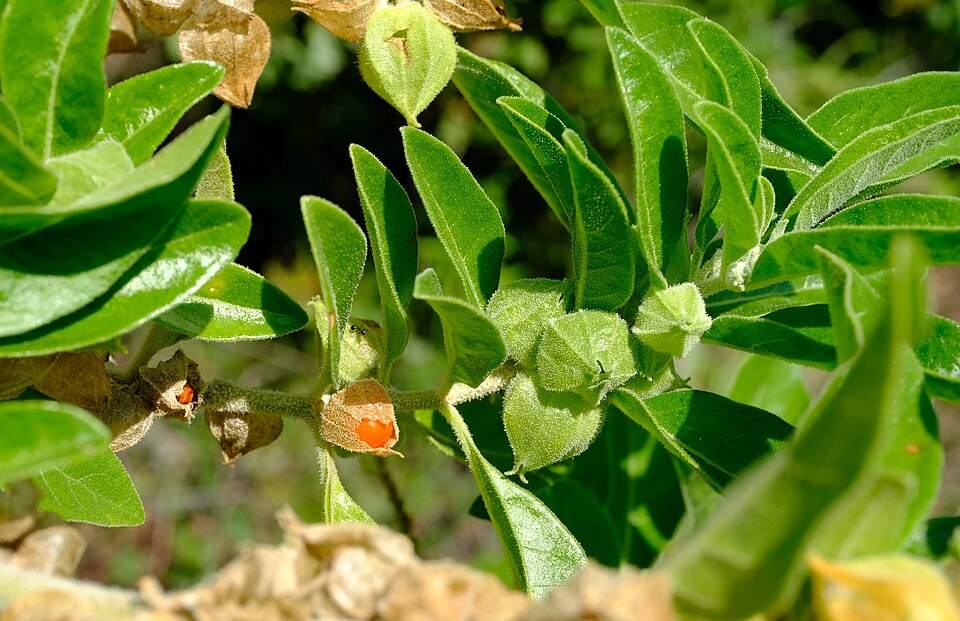
Ashwagandha: an adaptogen, or just hype?
Randomised trials on stress and anxiety give encouraging signals, but they are small, short and easily biased. There are warnings about liver injury.

Does the label tell the truth? Evidence from DNA barcoding
A DNA barcoding study of herbal products in North America found that many contained species that were not on the label. The result is valuable, but it has limitations.