
Warm turmeric–ginger drink: how to make it, and its limits
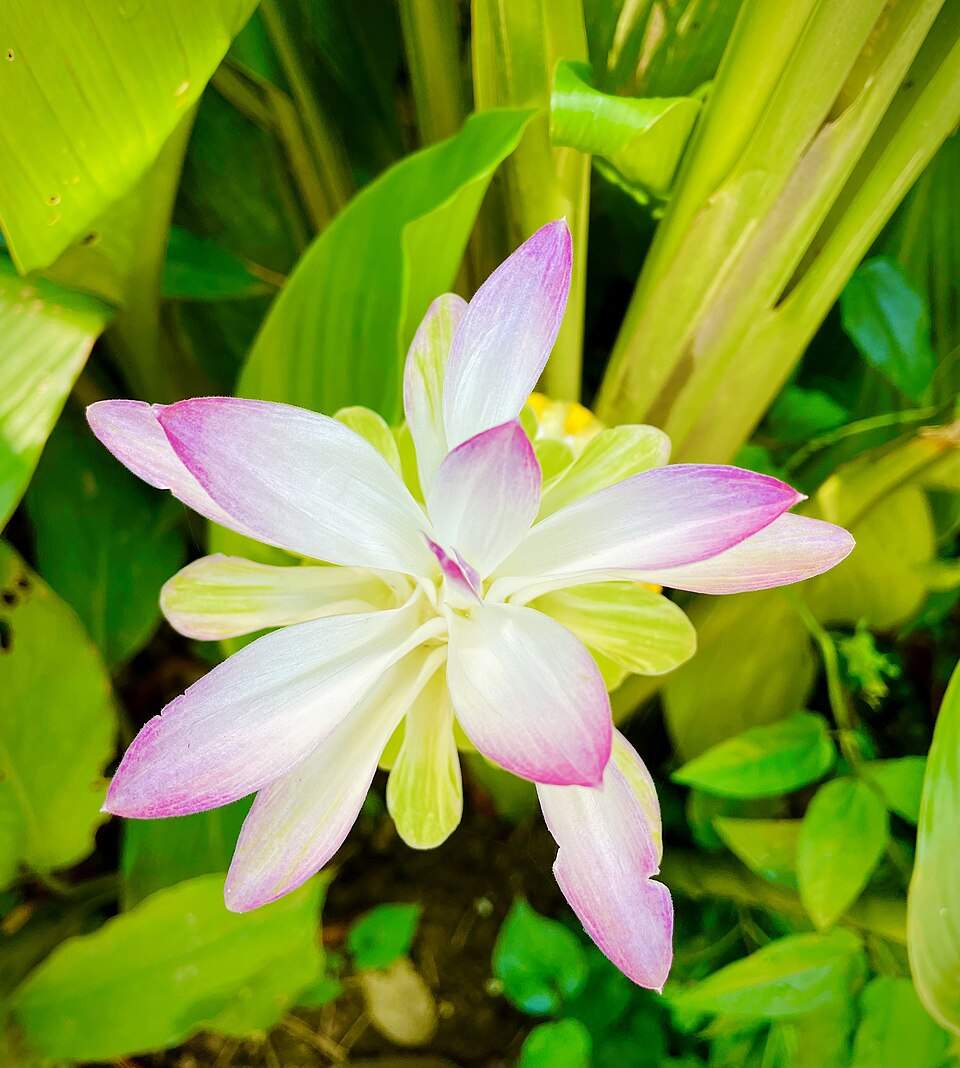
A simple traditional recipe, with a calculation showing that the curcumin in a cup is far below the dose used in trials.
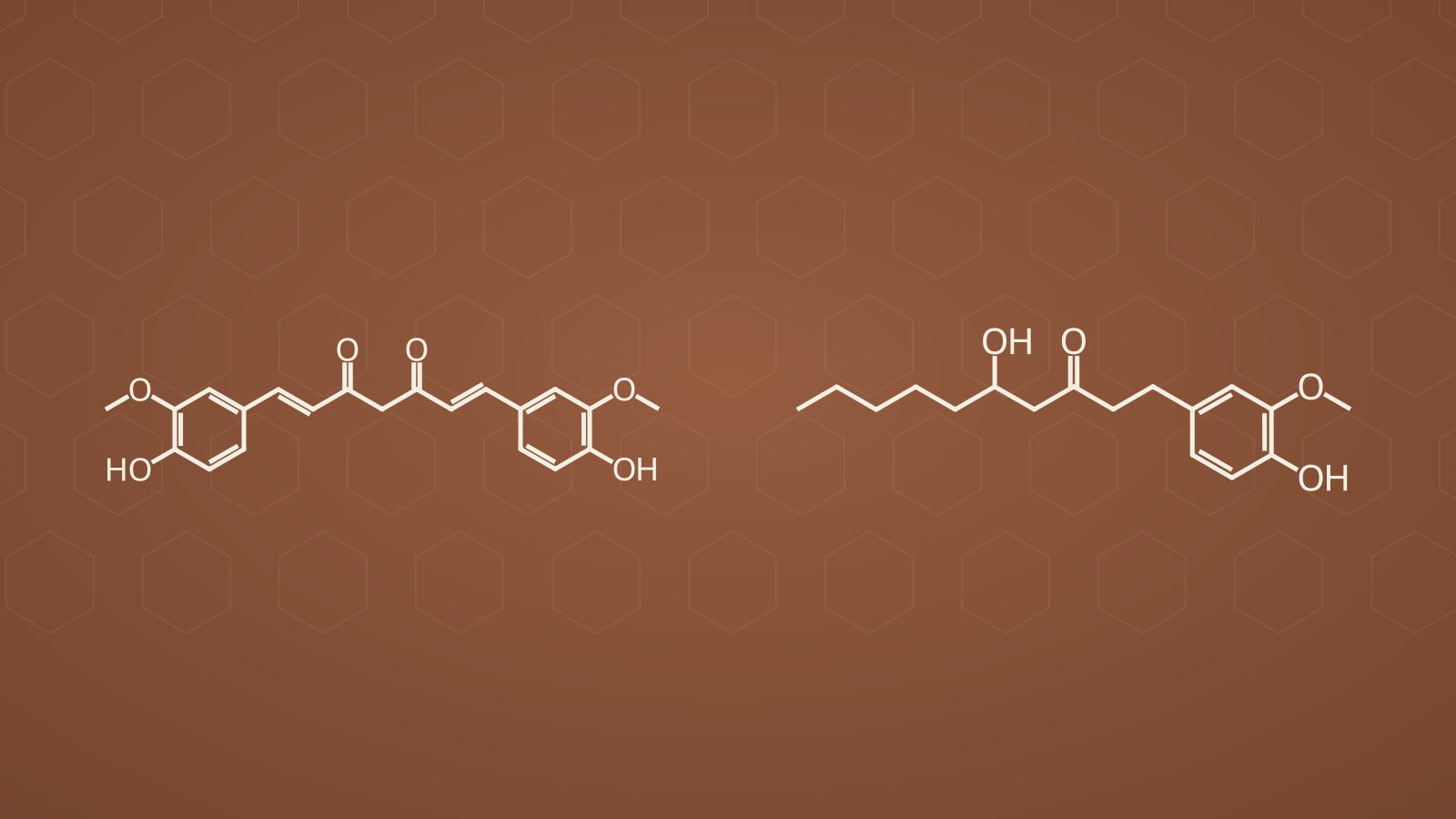
In brief
Warm turmeric–ginger water is a traditional drink. It can be part of your diet, but it should not be seen as a substitute for treatment.
A reference recipe
- About 5 g of fresh turmeric (or about a teaspoon of turmeric powder) and about 5 g of fresh ginger.
- Add a little ground black pepper and a little fat, such as milk or coconut milk, so that the curcumin dissolves better.
- Simmer for 10 minutes, strain and drink warm.
The limits to know about
Turmeric powder contains about 2–5% curcuminoids, so a teaspoon (about 3 g) gives roughly 60–150 mg of curcuminoids. Clinical trials usually use 500–2000 mg a day, so a cup of turmeric water hardly reaches the trial dose.
Who should be careful
If you have gallstones, a clotting disorder or liver disease, or take anticoagulants, or if you are pregnant, ask a doctor first. Black pepper can change how drugs are metabolised.
Go deeper (mechanisms, methods, limitations)
Why add fat and pepper
Curcumin dissolves in fat and is metabolised quickly. Fat helps it dissolve, while piperine inhibits glucuronidation. The actual increase from a cup you make at home has not been measured, so it should not be inferred from data on formulated capsules.
In the library
References
- Hewlings SJ, Kalman DS. Foods. 2017;6(10):92.
- Shoba G, et al. Planta Med. 1998;64(4):353–356.
More articles
Herbal tea for the airways: a recipe and the data behind it
Ginger, black elderberry and echinacea are often combined. This article explains how far the evidence goes for each ingredient and how to prepare the tea safely.
Fresh or dried ginger: how gingerol and shogaol change
Processing changes the active constituents of ginger. Fresh ginger is rich in gingerol, while dried ginger and ginger cooked for a long time are rich in shogaol.
Ginger–lemongrass tea: the traditional recipe and what has evidence
Warm ginger–lemongrass tea is a familiar drink. Ginger has evidence for nausea; lemongrass is mainly about flavour.