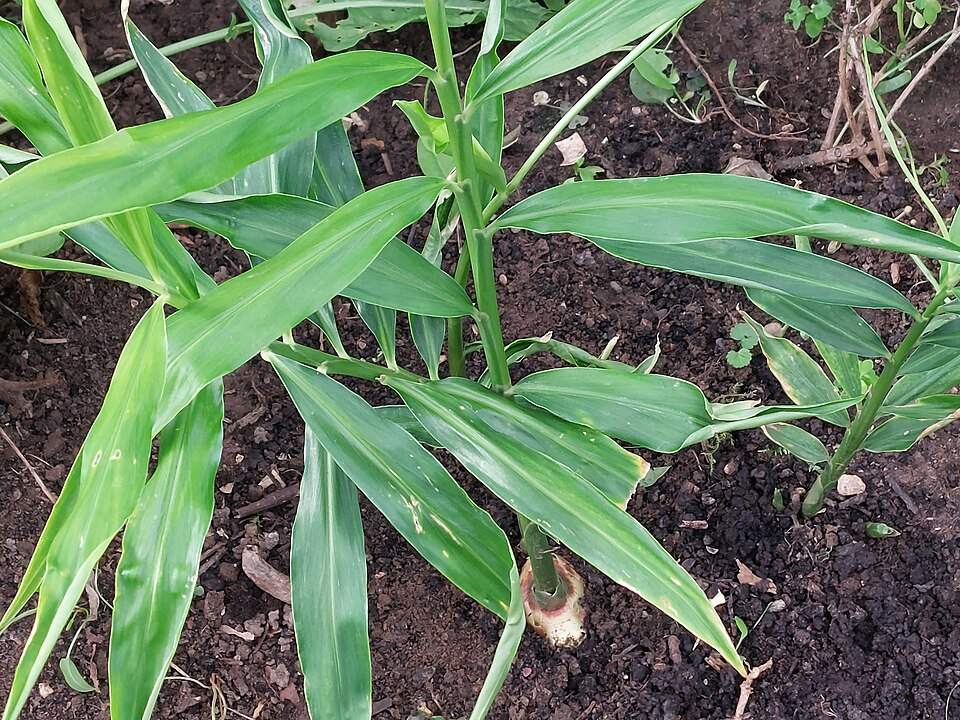
Herbal tea for the airways: a recipe and the data behind it
Ginger, black elderberry and echinacea are often combined. This article explains how far the evidence goes for each ingredient and how to prepare the tea safely.

Practical recipes, with references to the research and notes on safety.
Ginger, black elderberry and echinacea are often combined. This article explains how far the evidence goes for each ingredient and how to prepare the tea safely.
Processing changes the active constituents of ginger. Fresh ginger is rich in gingerol, while dried ginger and ginger cooked for a long time are rich in shogaol.
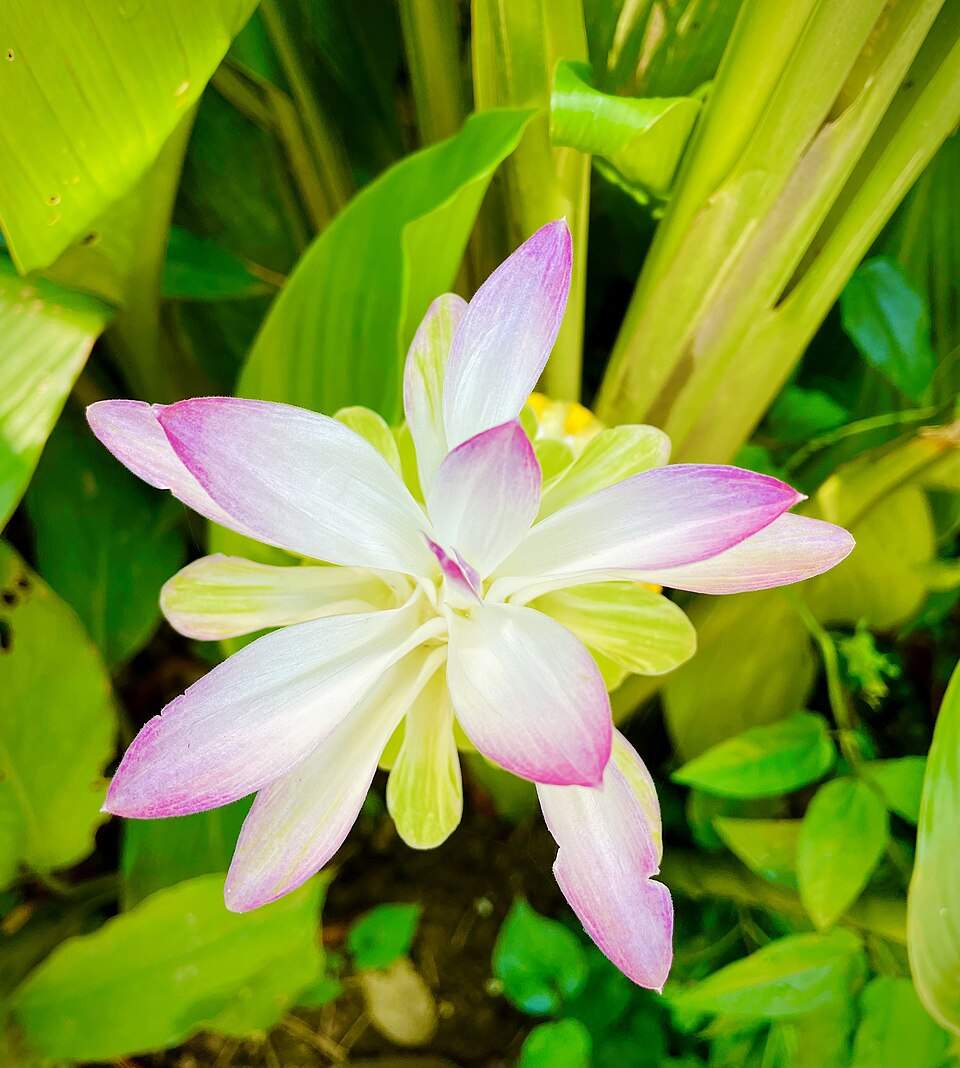
A simple traditional recipe, with a calculation showing that the curcumin in a cup is far below the dose used in trials.
Warm ginger–lemongrass tea is a familiar drink. Ginger has evidence for nausea; lemongrass is mainly about flavour.
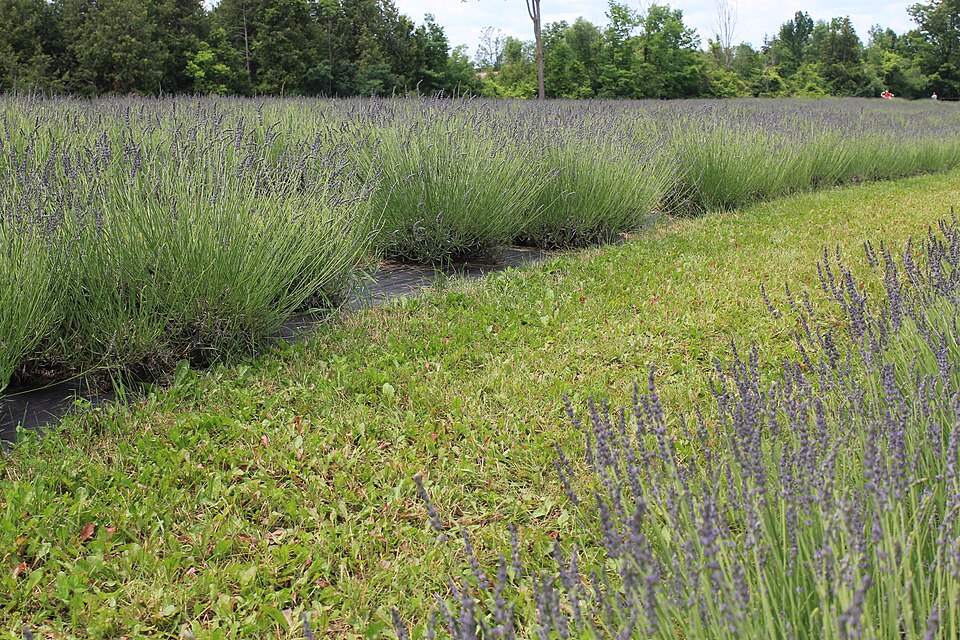
Lavender oil is for diffusing, to be diluted when applied to the skin, and never to be swallowed undiluted. A standardised oral product is a different thing.
Piperine boosts the absorption of curcumin, and capsaicin activates the heat receptor. The amount of spice in a meal is far below the doses used in trials.
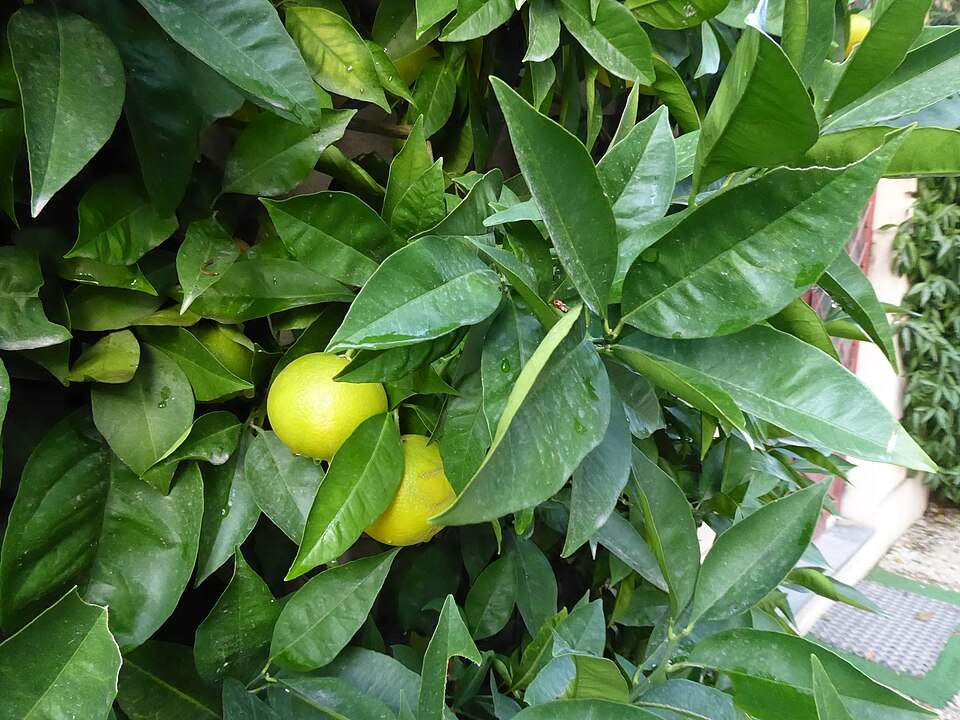
Citrus peel is rich in hesperidin and limonene oil. Brewing it as tea is the traditional use, and there are few clinical data on the tea.
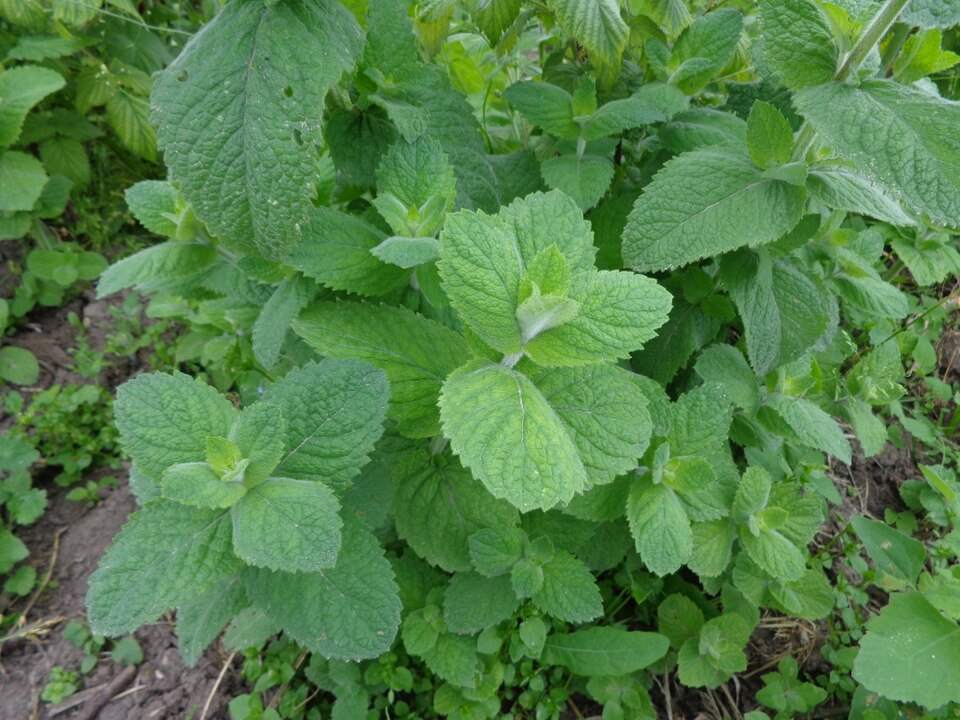
The evidence in irritable bowel syndrome is for enteric-coated oil capsules, not for leaf tea.
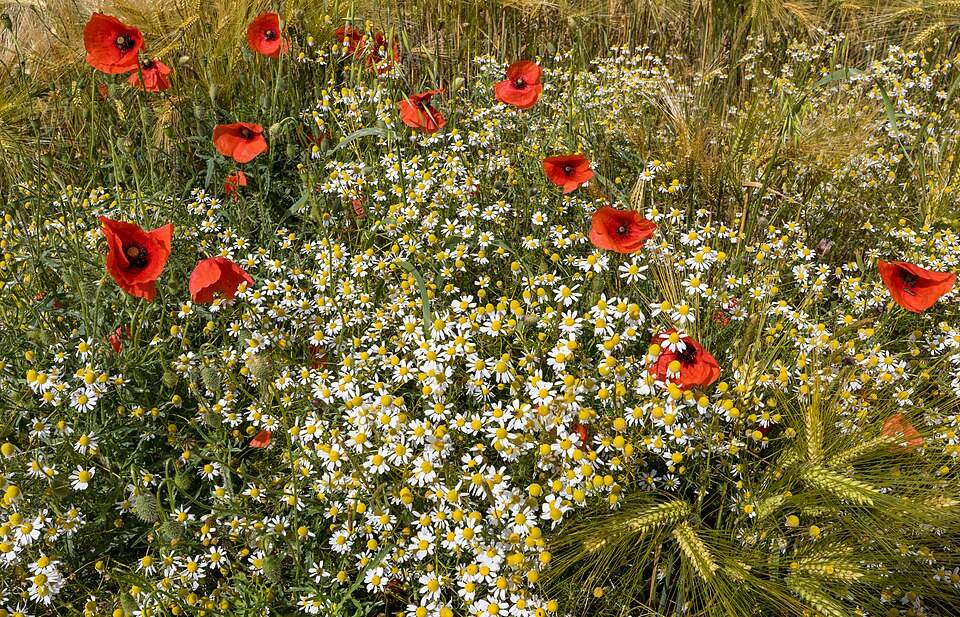
Chamomile tea is a safe way to wind down for most people, but the evidence that it improves sleep is weak.