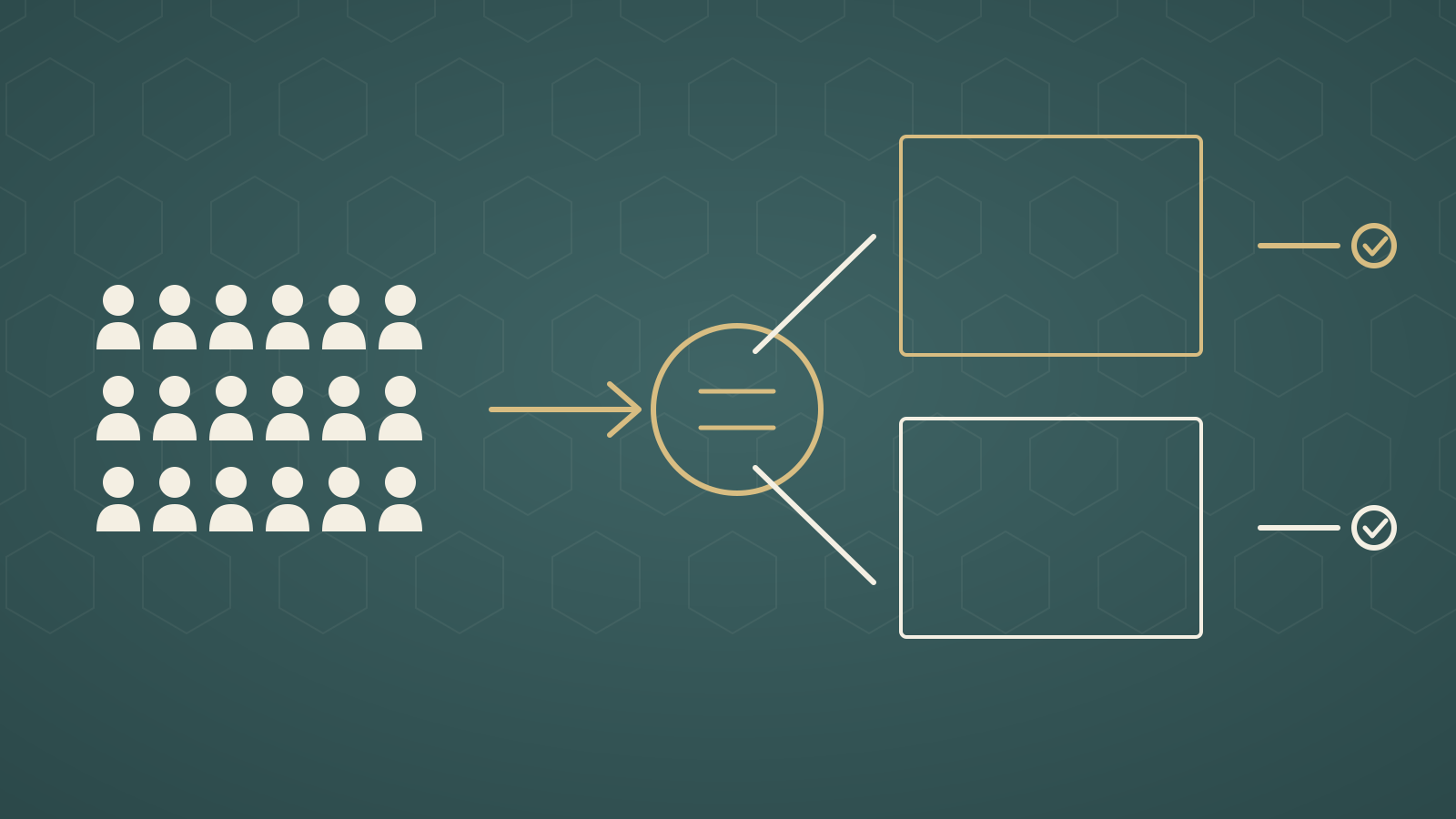
How to read a clinical trial of an herbal product
Six questions that help you tell a trustworthy trial from one that only looks scientific.

Summaries of clinical trials and meta-analyses.
Six questions that help you tell a trustworthy trial from one that only looks scientific.
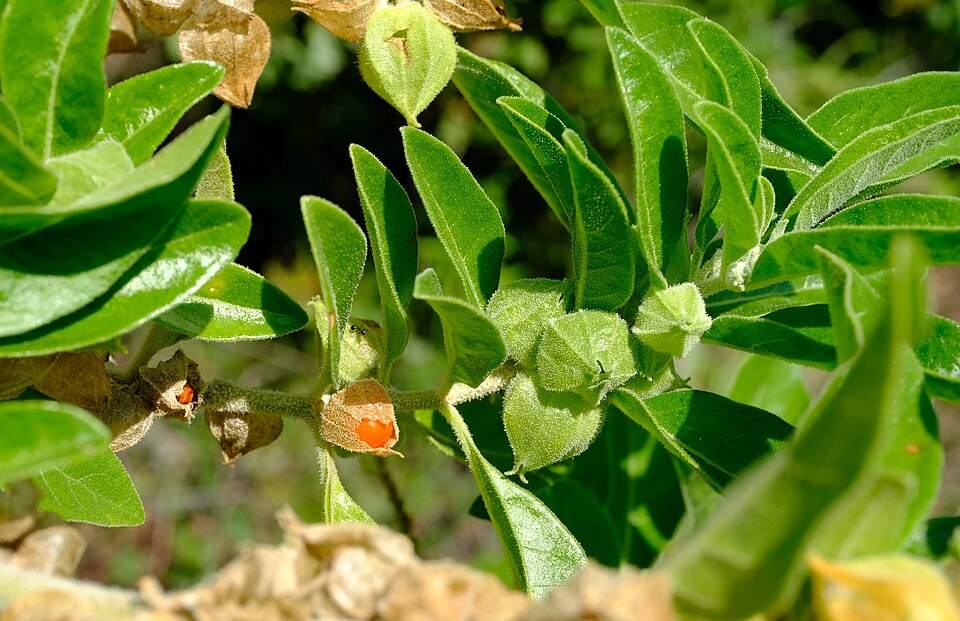
Randomised trials on stress and anxiety give encouraging signals, but they are small, short and easily biased. There are warnings about liver injury.

A DNA barcoding study of herbal products in North America found that many contained species that were not on the label. The result is valuable, but it has limitations.
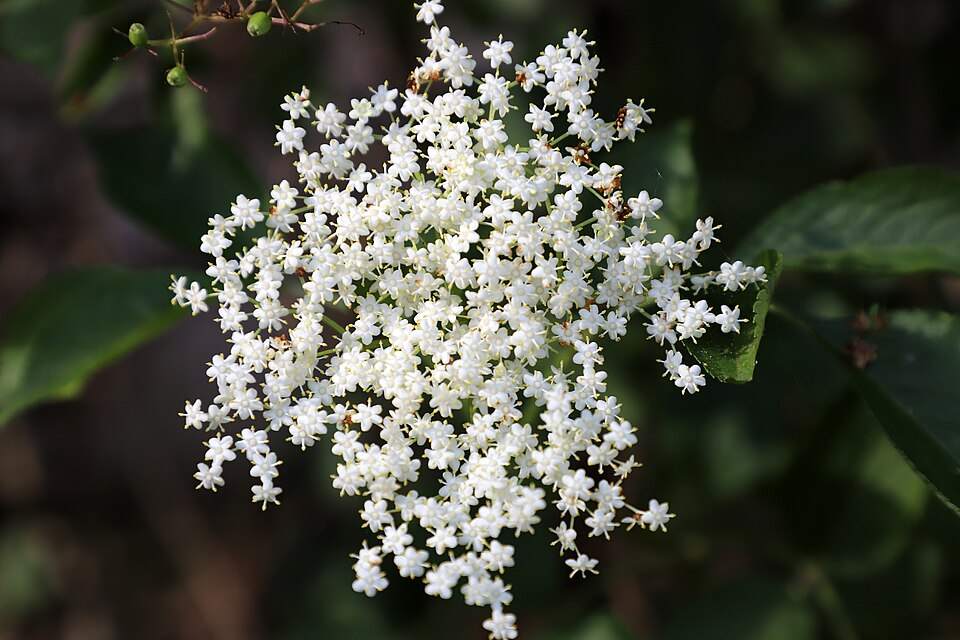
Anthocyanins are the pigments of berries. They are strong antioxidants in vitro, but very little is absorbed intact.
With subjective outcomes such as pain, nausea and anxiety, the placebo group often improves. A trial without a placebo group therefore cannot tell us whether a product works.
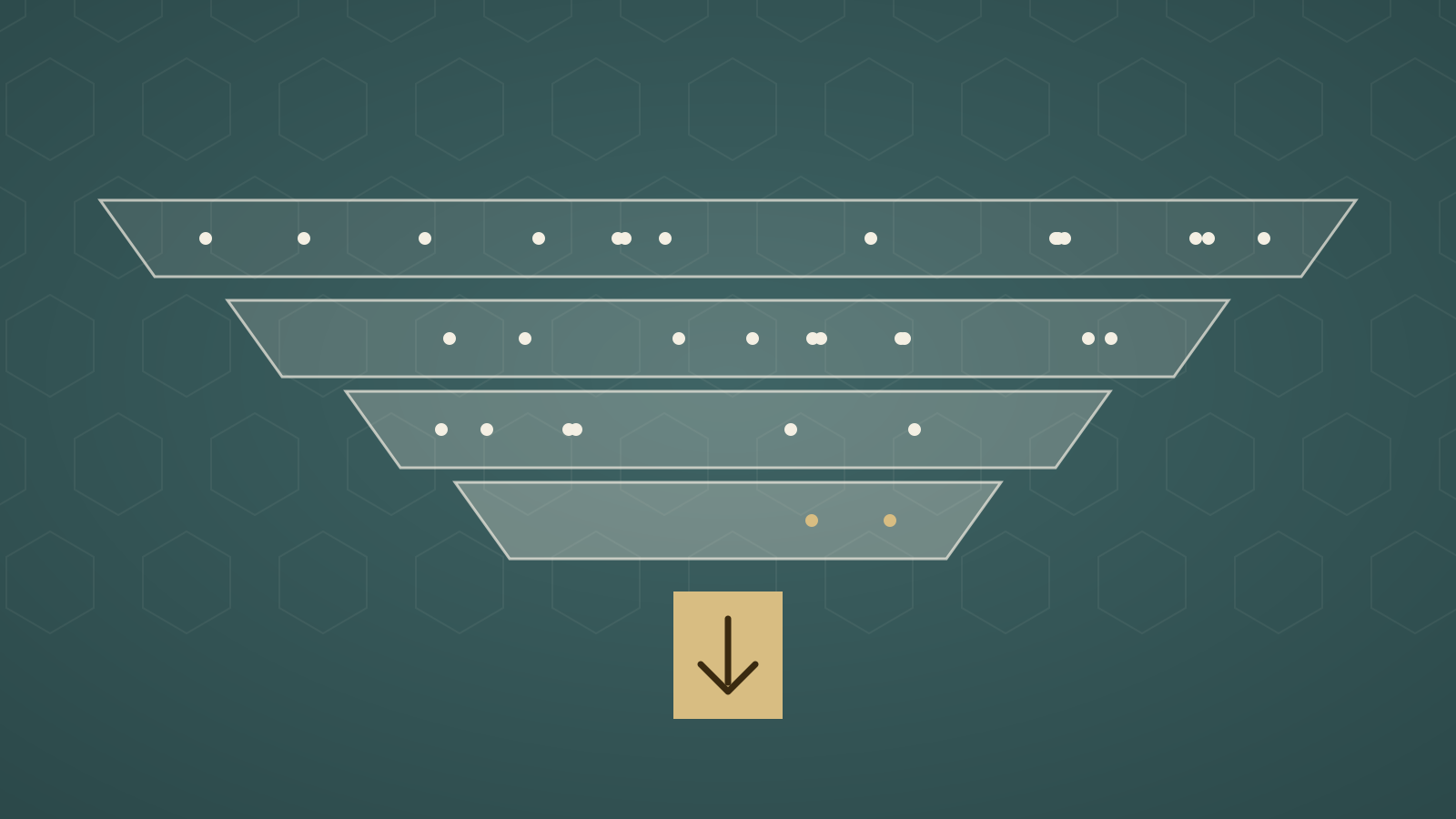
Only about 1 in 10 drugs that enter clinical trials is approved. For herbs the gap is even wider, because the concentrations used in vitro are rarely reached in people.

The STEP trial, published in the New England Journal of Medicine, and a Cochrane review found saw palmetto extract no better than placebo.
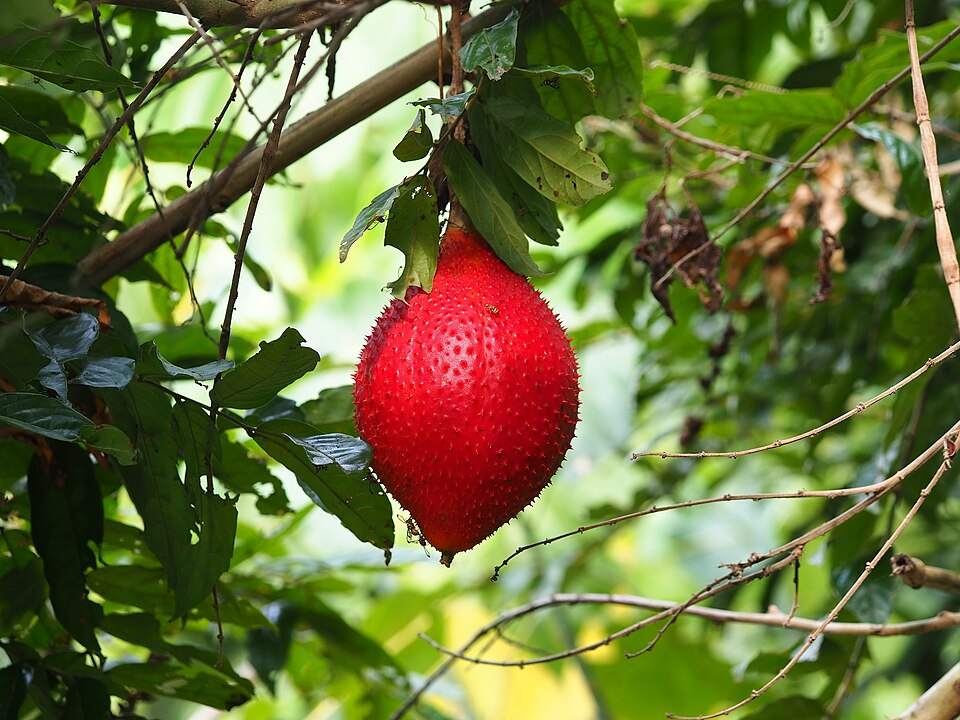
Two large trials, ATBC and CARET, showed that high-dose β-carotene capsules raise the risk of lung cancer in smokers.
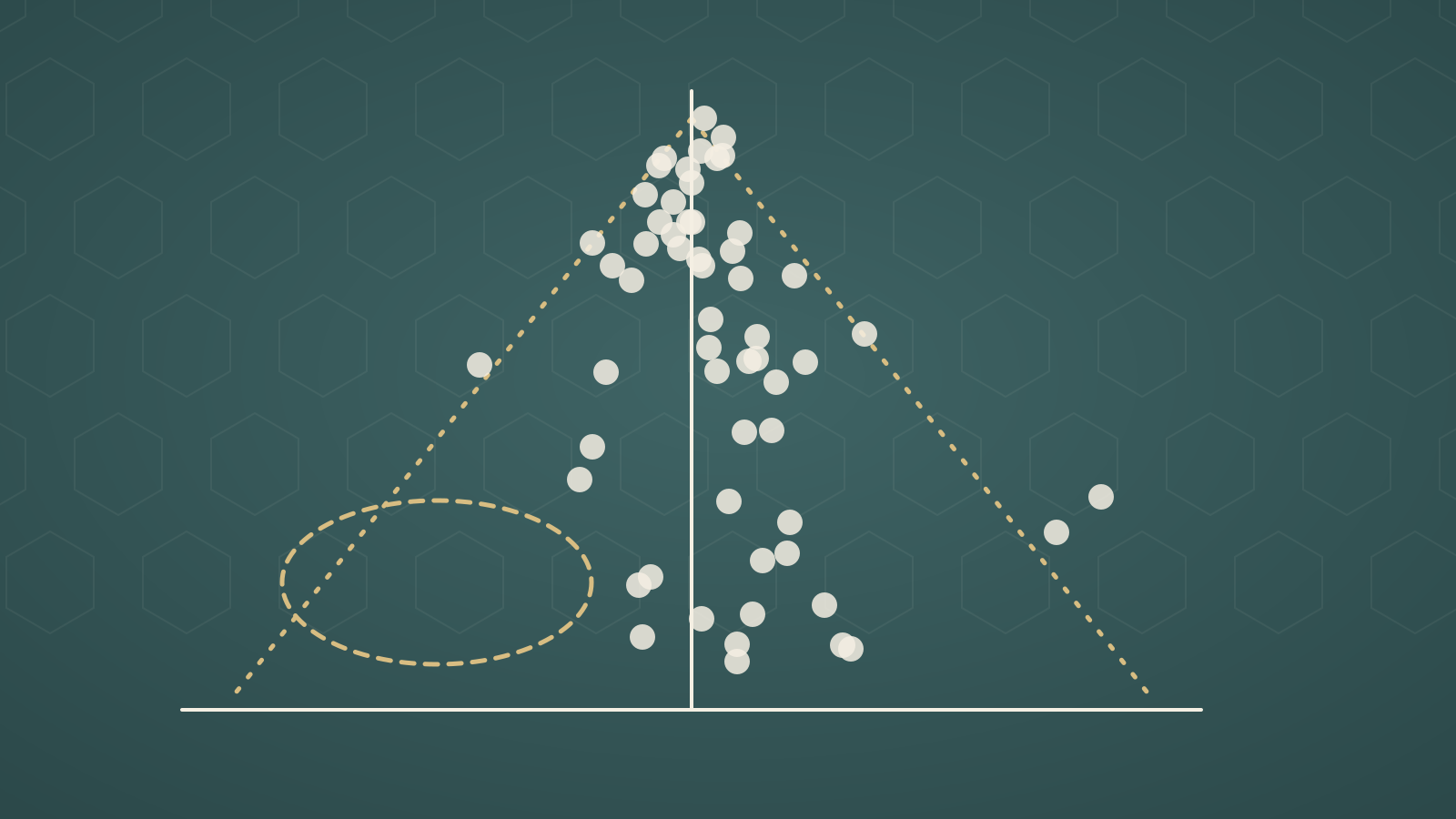
Positive results are published more readily than negative ones, so systematic reviews overestimate how well things work.
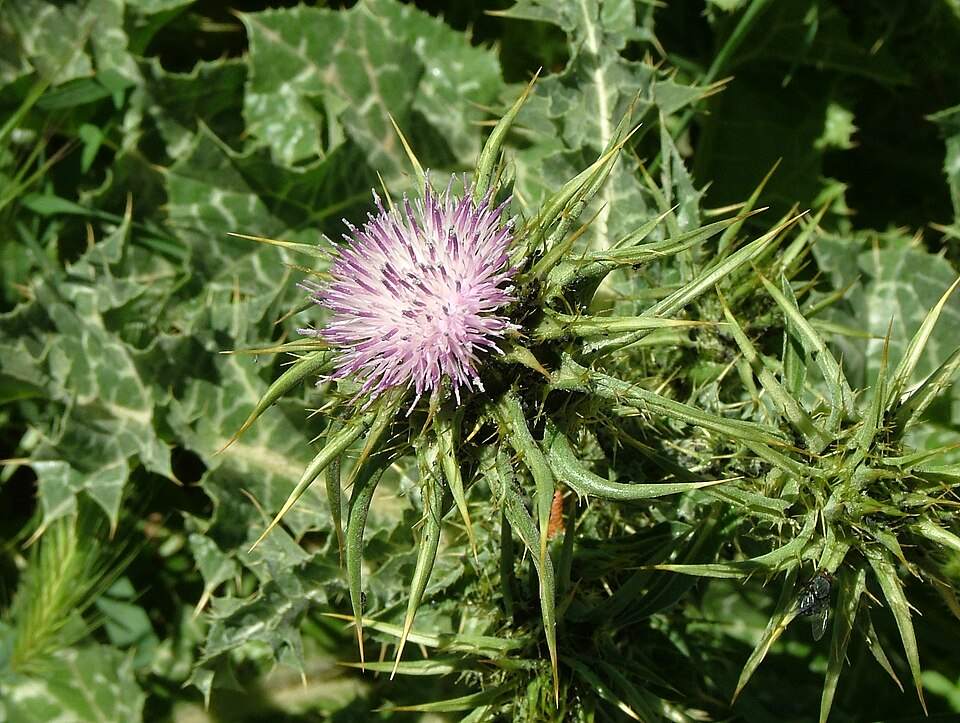
Silymarin is widely used for liver disease, but high-quality trials found no reduction in deaths or liver events.
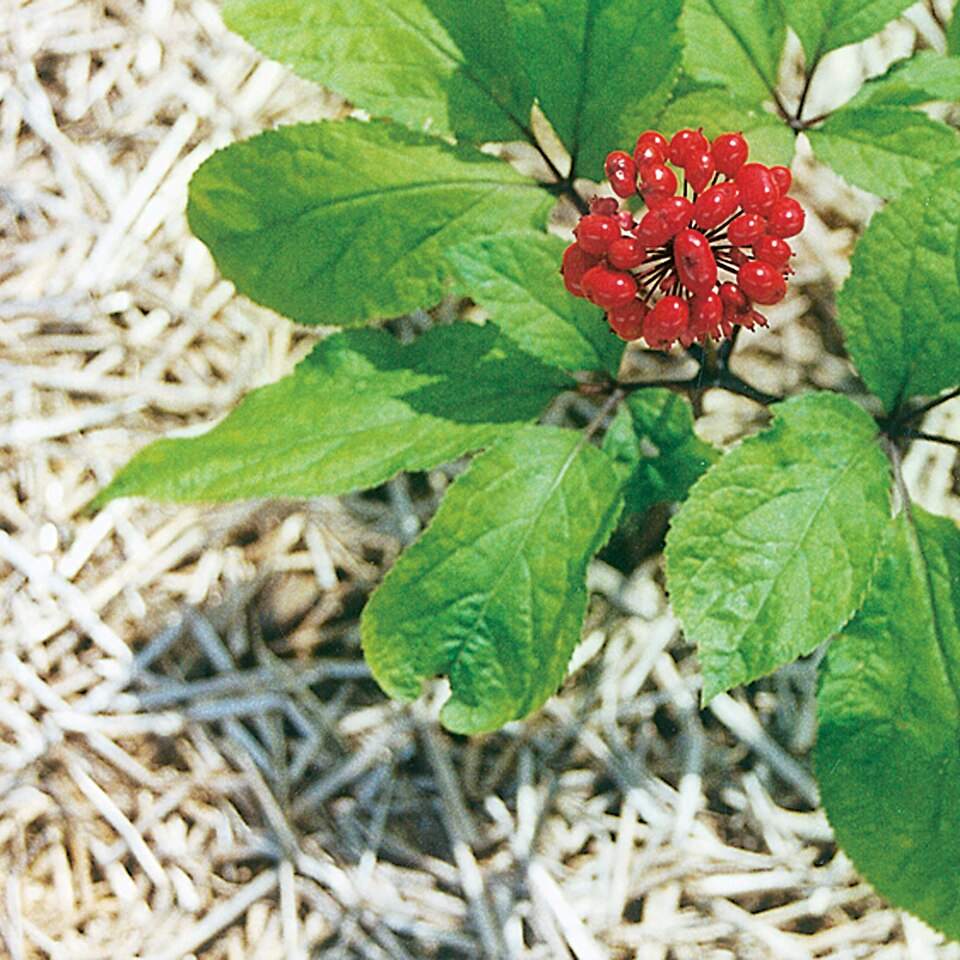
The Cochrane review found no strong enough evidence that ginseng improves cognition.
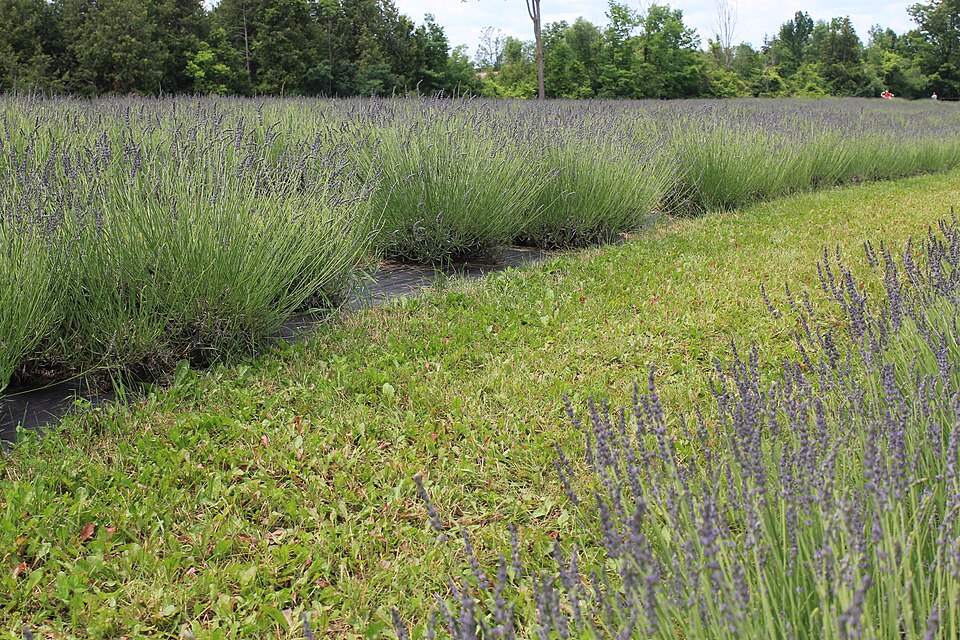
A standardised oral lavender product gives positive results in controlled trials, but the funding and the scope need to be read carefully.