
Herbal tea for the airways: a recipe and the data behind it
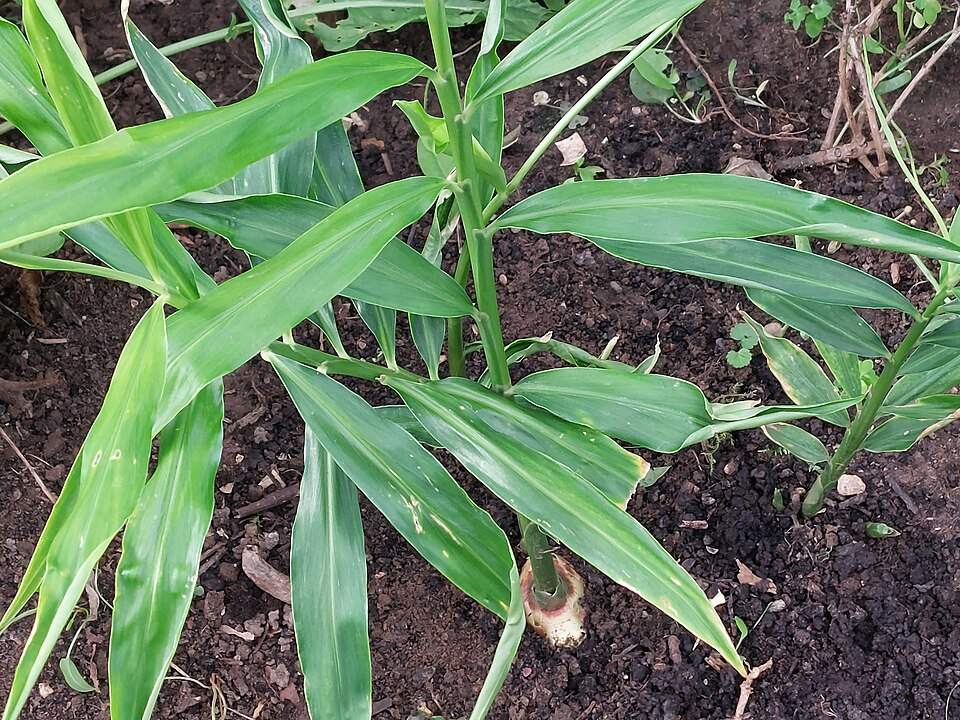
Ginger, black elderberry and echinacea are often combined. This article explains how far the evidence goes for each ingredient and how to prepare the tea safely.
In brief
No clinical trial has tested this combination itself. Each ingredient has its own evidence, ranging from preliminary to moderate.
Preparation
- Slice 5–10 g of fresh ginger and simmer it for 10 minutes.
- Dried black elderberries must be cooked; never use them raw.
- For echinacea, use a standardised product rather than brewing your own, because it is hard to control how much active compound you get.
Who should avoid it
If you are allergic to the daisy family, take anticoagulants or prescription drugs broken down by CYP3A4, or are pregnant, ask a doctor before using it.
Go deeper (mechanisms, methods, limitations)
Why there is no "best recipe"
Pharmacokinetic interactions between herbs are rarely measured in people. Combining three plants should be seen only as a traditional way of using them, not as a verified recipe.
In the library
References
- Karsch-Völk M, et al. Cochrane Database Syst Rev. 2014;(2):CD000530.
- Hawkins J, et al. Complement Ther Med. 2019;42:361–365.
More articles
Fresh or dried ginger: how gingerol and shogaol change
Processing changes the active constituents of ginger. Fresh ginger is rich in gingerol, while dried ginger and ginger cooked for a long time are rich in shogaol.
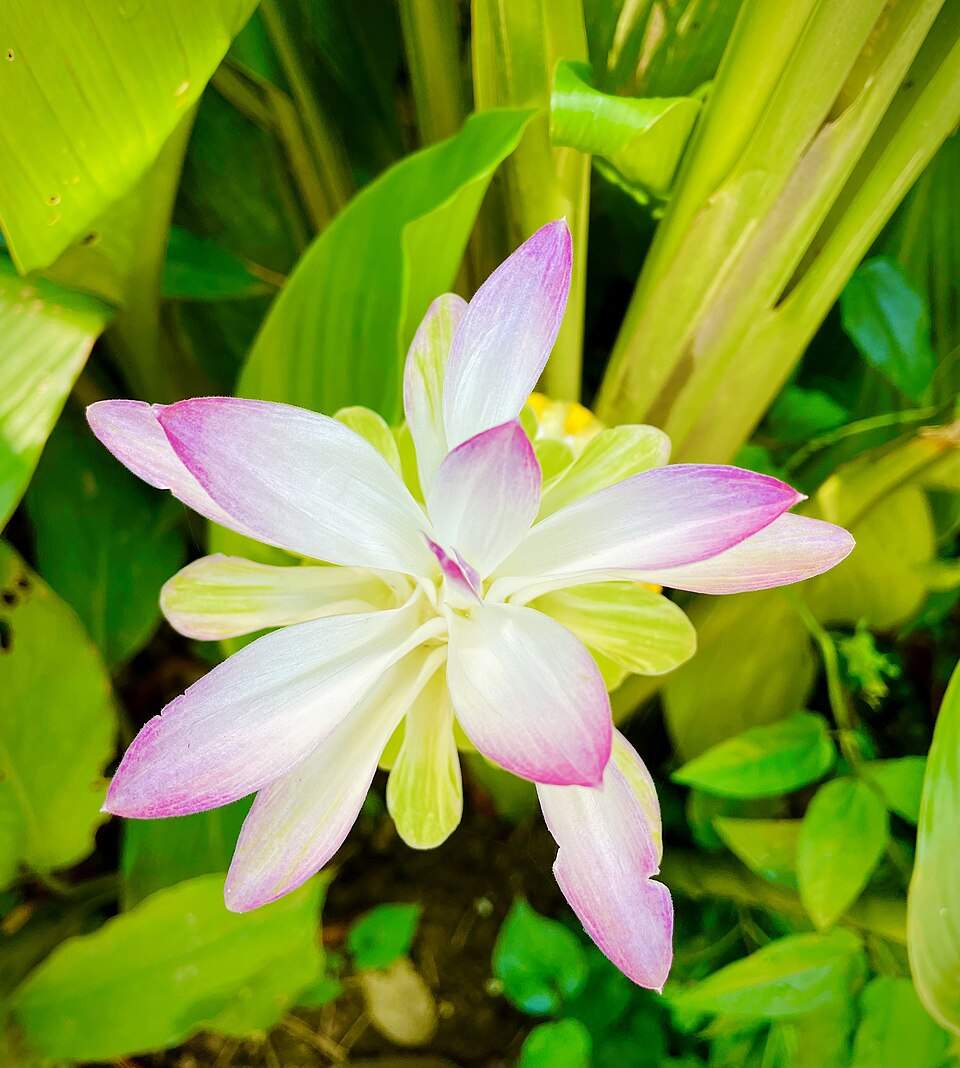
Warm turmeric–ginger drink: how to make it, and its limits
A simple traditional recipe, with a calculation showing that the curcumin in a cup is far below the dose used in trials.
Ginger–lemongrass tea: the traditional recipe and what has evidence
Warm ginger–lemongrass tea is a familiar drink. Ginger has evidence for nausea; lemongrass is mainly about flavour.