
Caffeine: how much is reasonable?

EFSA considers that healthy adults can have up to 400 mg of caffeine a day with no safety concern, and 200 mg in pregnancy.
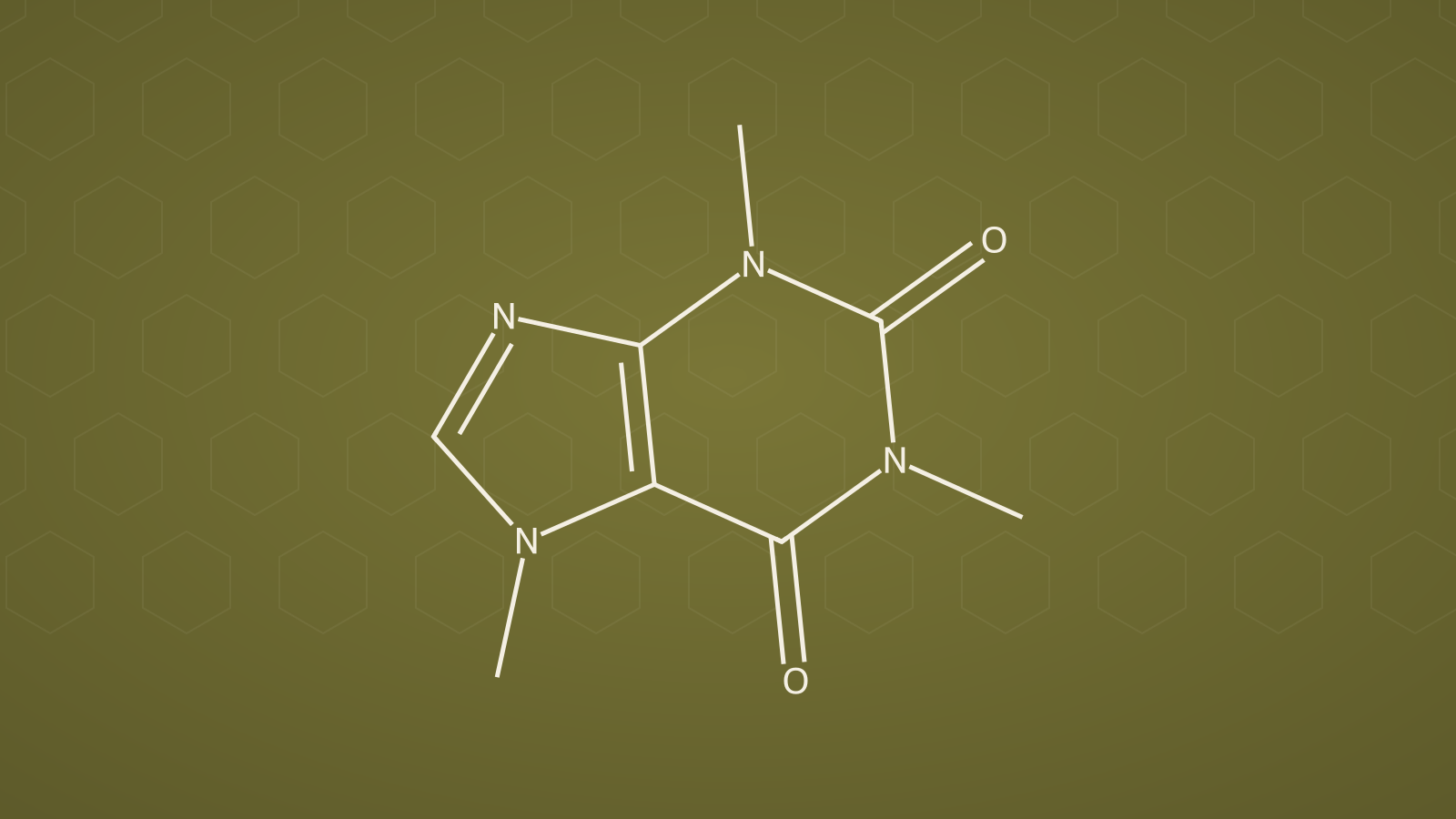
In brief
Caffeine from coffee, tea, fizzy drinks, energy drinks and some medicines adds up, so count the total for the whole day.
Reference limits
- Healthy adults: up to 400 mg a day.
- A single dose: up to 200 mg; about 100 mg taken close to bedtime can affect sleep.
- Pregnant and breastfeeding women: up to 200 mg a day.
How much a cup contains
Green tea usually has about 25–50 mg a cup, and brewed coffee usually 80–120 mg a cup, depending on how it is made and the size of the cup.
Go deeper (mechanisms, methods, limitations)
Metabolism
Caffeine is metabolised by CYP1A2. Its half-life is longer in pregnancy, with oral contraceptives and in liver disease, and shorter in smokers.
In the library
References
- EFSA Panel on Dietetic Products, Nutrition and Allergies. Scientific opinion on the safety of caffeine. EFSA J. 2015;13(5):4102.
More articles

Ginger and digestion: how it works
Gingerol and shogaol act on the 5-HT3 and TRPV1 receptors. The best clinical evidence is for nausea in pregnancy.
Herbs in pregnancy: a cautious approach
There are very few safety data on most herbs in pregnancy. The general rule is to avoid them until there is evidence that they are safe.

Cranberry and urinary tract infection: the evidence today
A 2023 Cochrane review found that cranberry may lower the risk of urinary tract infection in some groups, but it does not treat an infection that is already under way.