
How to read a clinical trial of an herbal product
Six questions that help you tell a trustworthy trial from one that only looks scientific.
In brief
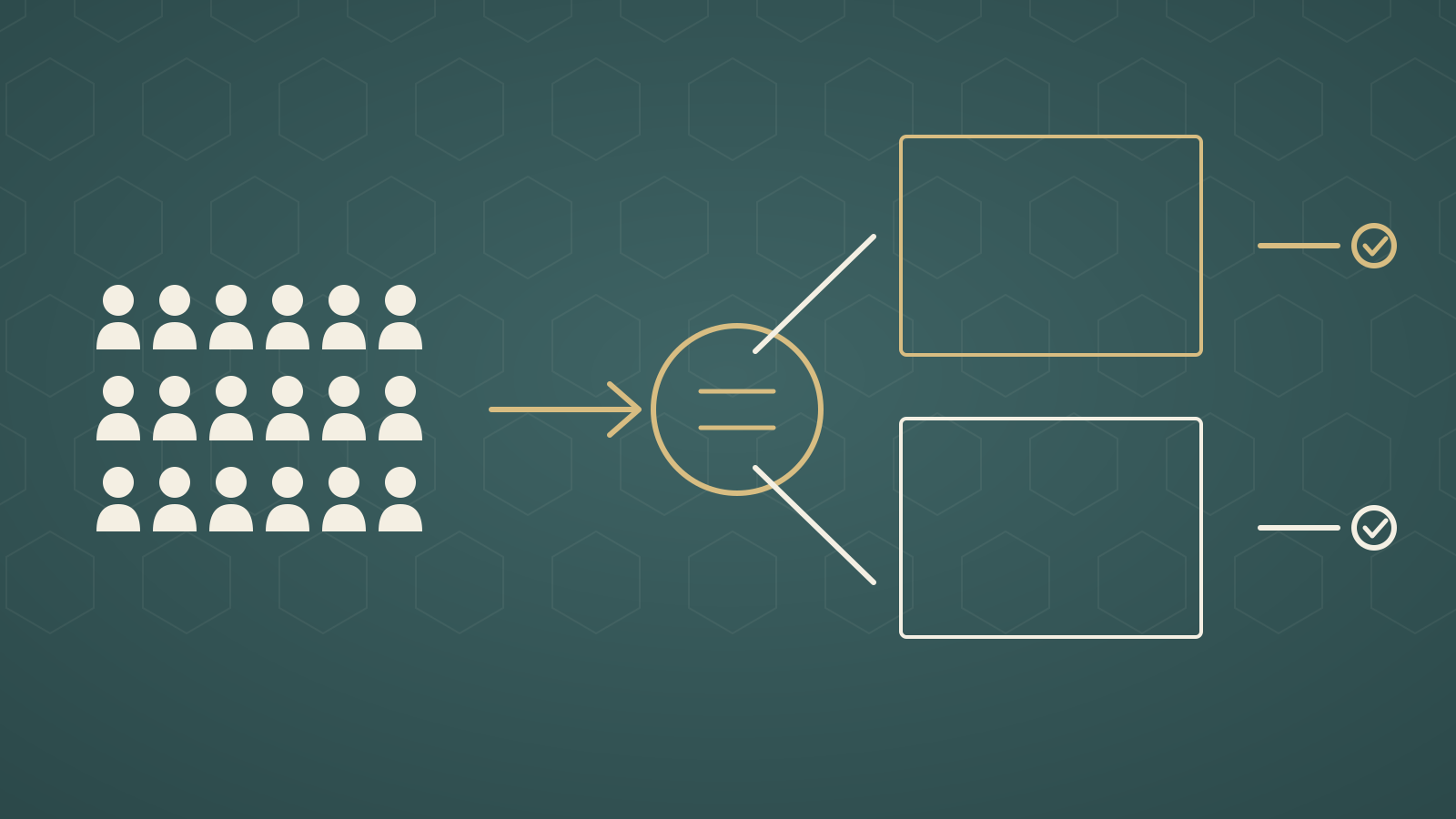
A trustworthy trial answers six questions: how the groups were randomised, whether it was blinded, how large the sample was, what the primary outcome was, how many people dropped out, and who paid for it.
Six questions
- Randomisation: were participants assigned to groups at random, and was the allocation concealed?
- Blinding: did participants and assessors know who was getting the real product?
- Sample size: groups of 20–30 people can detect only a very large effect.
- Primary outcome: was it registered in advance (for example on ClinicalTrials.gov), or chosen after the data had been seen?
- Dropout rate: many withdrawals can bias the result.
- Funding: manufacturer funding does not mean the result is wrong, but it is a reason to read more carefully.
Two common mistakes
One is to confuse a small p value with a large effect; the other is to confuse a statistically significant effect with a clinically significant one. A painkiller that lowers pain by an average of 3 mm on a 100 mm scale can have a very small p value and yet not be noticed by the patient.
Go deeper (mechanisms, methods, limitations)
The CONSORT reporting standard
The CONSORT statement lists the minimum items that a report of a randomised controlled trial should contain. When these are missing, the report is incomplete.
Problems specific to herbal products
Extracts differ in solvent, in the ratio of plant to extract, and in standardised content. A paper should describe the product clearly enough for others to repeat the work, including its quantitative markers. The result for extract A does not apply to extract B.
References
- Schulz KF, Altman DG, Moher D. CONSORT 2010 Statement. BMJ. 2010;340:c332.
More articles
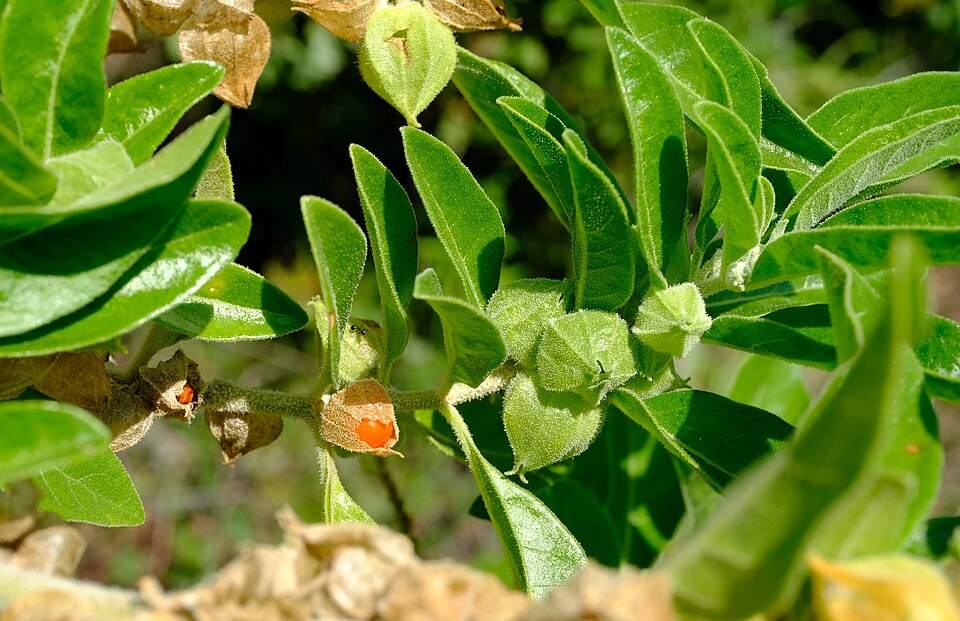
Ashwagandha: an adaptogen, or just hype?
Randomised trials on stress and anxiety give encouraging signals, but they are small, short and easily biased. There are warnings about liver injury.

Does the label tell the truth? Evidence from DNA barcoding
A DNA barcoding study of herbal products in North America found that many contained species that were not on the label. The result is valuable, but it has limitations.
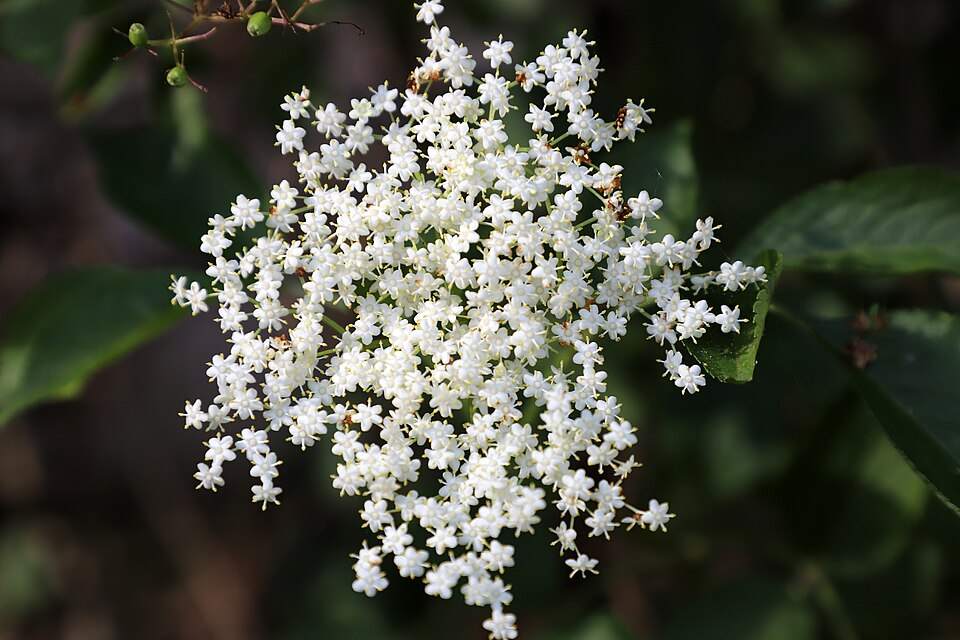
Anthocyanins: strongly active in the test tube, poorly absorbed in people
Anthocyanins are the pigments of berries. They are strong antioxidants in vitro, but very little is absorbed intact.