
Ginger–lemongrass tea: the traditional recipe and what has evidence
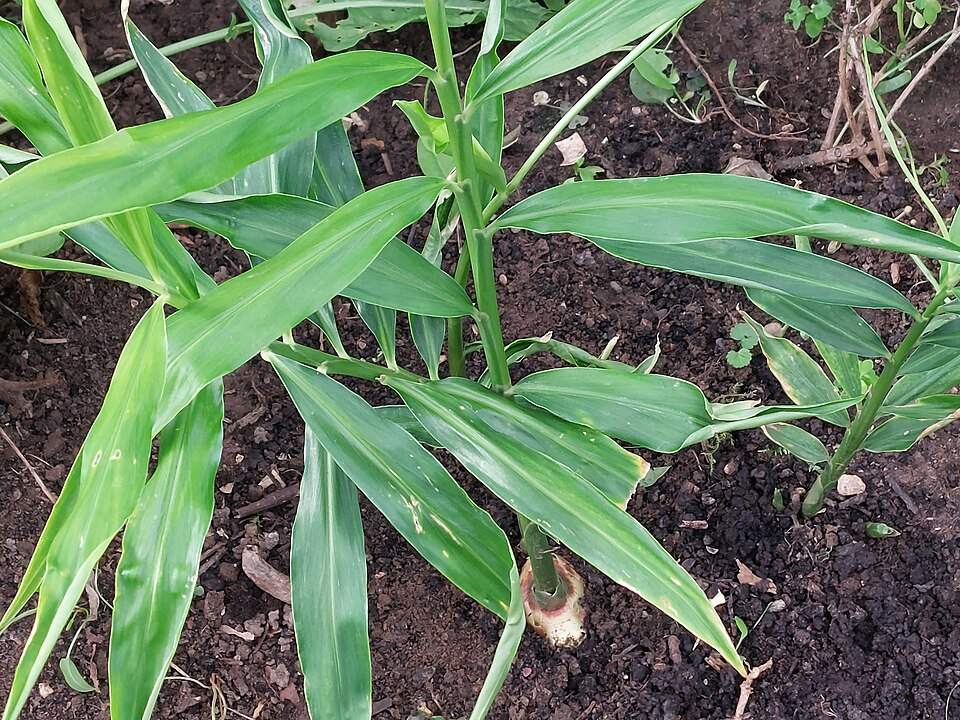
Warm ginger–lemongrass tea is a familiar drink. Ginger has evidence for nausea; lemongrass is mainly about flavour.
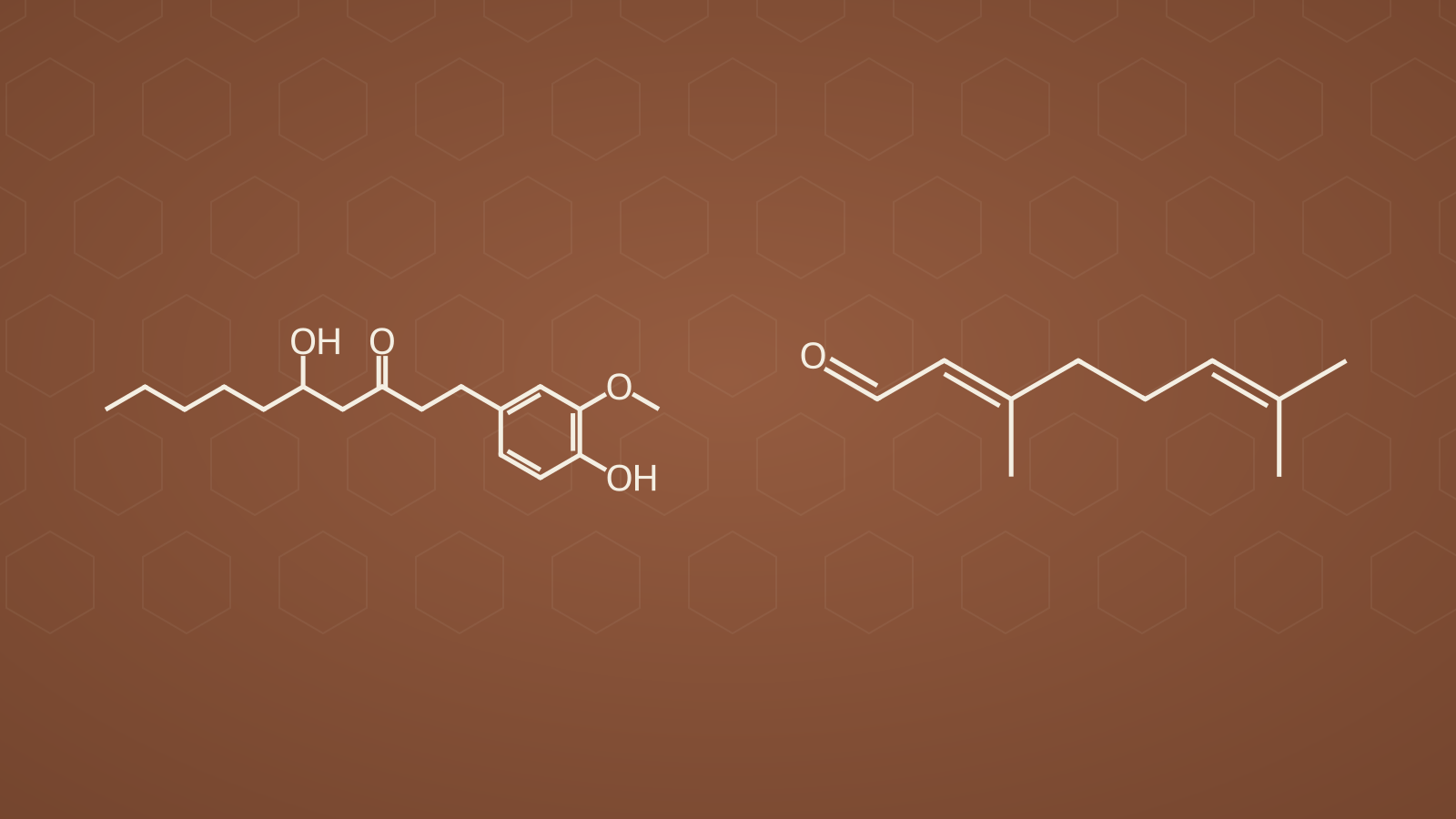
In brief
Ginger has moderate evidence for nausea, especially in pregnancy. Lemongrass mainly adds a lemony aroma, and clinical data on it are very scarce.
A reference recipe
- About 5 g of fresh ginger, sliced.
- One stalk of lemongrass, bruised and cut into pieces.
- Simmer for 10–15 minutes; you can add honey or lemon after turning off the heat.
A note
Pregnant women should ask a doctor how much ginger is appropriate. Do not give honey to children under 12 months.
Go deeper (mechanisms, methods, limitations)
About lemongrass oil
Citral is a known allergen when it is applied to the skin. In a brewed tea the amount is much lower.
In the library
References
- Viljoen E, et al. Nutr J. 2014;13:20.
More articles
Herbal tea for the airways: a recipe and the data behind it
Ginger, black elderberry and echinacea are often combined. This article explains how far the evidence goes for each ingredient and how to prepare the tea safely.
Fresh or dried ginger: how gingerol and shogaol change
Processing changes the active constituents of ginger. Fresh ginger is rich in gingerol, while dried ginger and ginger cooked for a long time are rich in shogaol.

Warm turmeric–ginger drink: how to make it, and its limits
A simple traditional recipe, with a calculation showing that the curcumin in a cup is far below the dose used in trials.