
Ginkgo after the GEM trial: what to expect from leaf extract
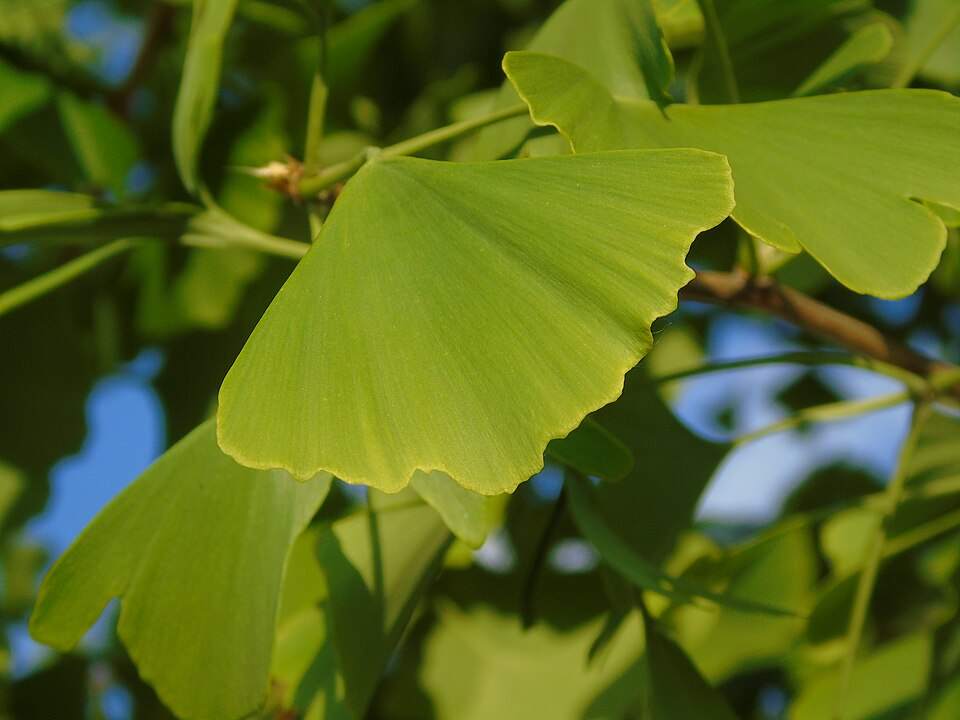
The GEM trial, in more than 3,000 older adults, found no reduction in the number of people developing dementia. The evidence for other uses is also weak.

In brief
The extract EGb 761, at 120 mg twice a day and followed for about six years on average, did not lower the rate of dementia or Alzheimer's disease compared with placebo.
What you need to know
- A standardised extract is not the same as dried leaf brewed as tea.
- There is a risk of bleeding, especially with anticoagulants.
- Do not use raw ginkgo seeds.
A perspective
A negative result from a large trial is worth far more than many small positive trials, because it lowers the risk of publication bias.
Go deeper (mechanisms, methods, limitations)
How GEM was designed
Participants were aged 75 or over and free of dementia when they joined. The primary outcome was the rate of new dementia. The study does not rule out a possible benefit in younger people or for other goals.
In the library
References
- DeKosky ST, et al. JAMA. 2008;300(19):2253–2262.
More articles

Piperine in black pepper and the bioavailability of curcumin
Piperine greatly raises blood curcumin levels, but the same mechanism also changes how many drugs are metabolised.
Turmeric and curcumin: what the evidence says about inflammation
Curcumin does many things in laboratory experiments, but the clinical evidence is modest. This article separates what we know at the level of cells, animals and people.
Herb–drug interactions: what to know before you combine them
Herbs are mixtures of many active compounds and can change the levels or effects of prescription drugs. The plant that most often causes interactions is St John's wort.