
Lavender essential oil: using the fragrance safely
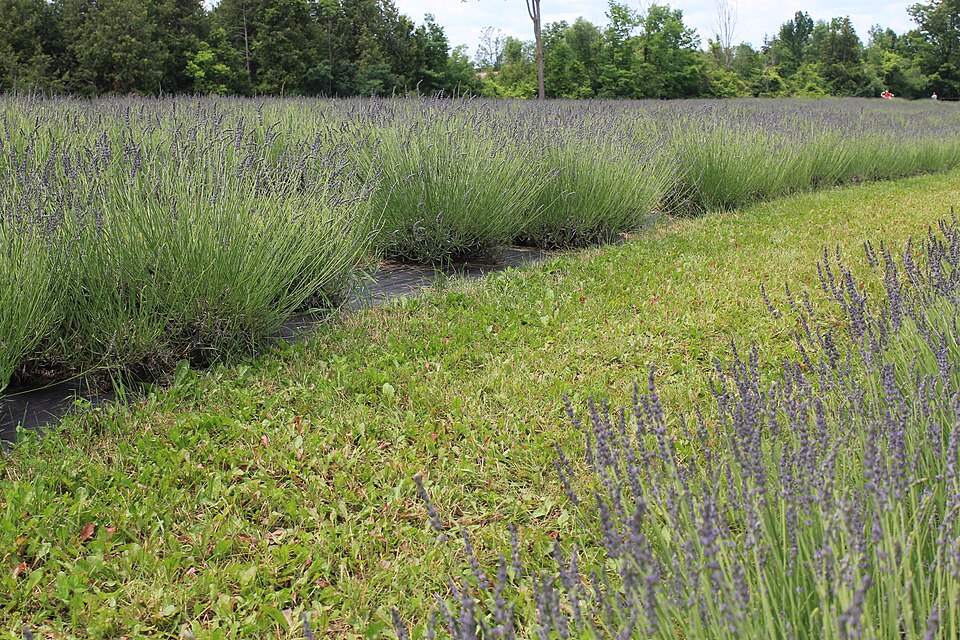
Lavender oil is for diffusing, to be diluted when applied to the skin, and never to be swallowed undiluted. A standardised oral product is a different thing.

In brief
Breathing in the scent of lavender can feel relaxing, but the data on any medical effect come mainly from small trials with subjective outcomes.
Using it safely
- Diffuse it in a ventilated room, a few drops at a time.
- If you apply it to the skin, dilute it in a carrier oil (about 1–2%) and test it first on a small patch.
- Never drink the undiluted essential oil.
- Keep it out of the reach of children and pets.
A note
Essential oil oxidises over time and is then more likely to cause skin allergy, so store it sealed and away from light.
Go deeper (mechanisms, methods, limitations)
Silexan
Silexan is a standardised 80 mg oral product with trials of its own on anxiety, and it is entirely different from commercial essential oil. Do not swallow ordinary essential oil instead.
In the library
More articles
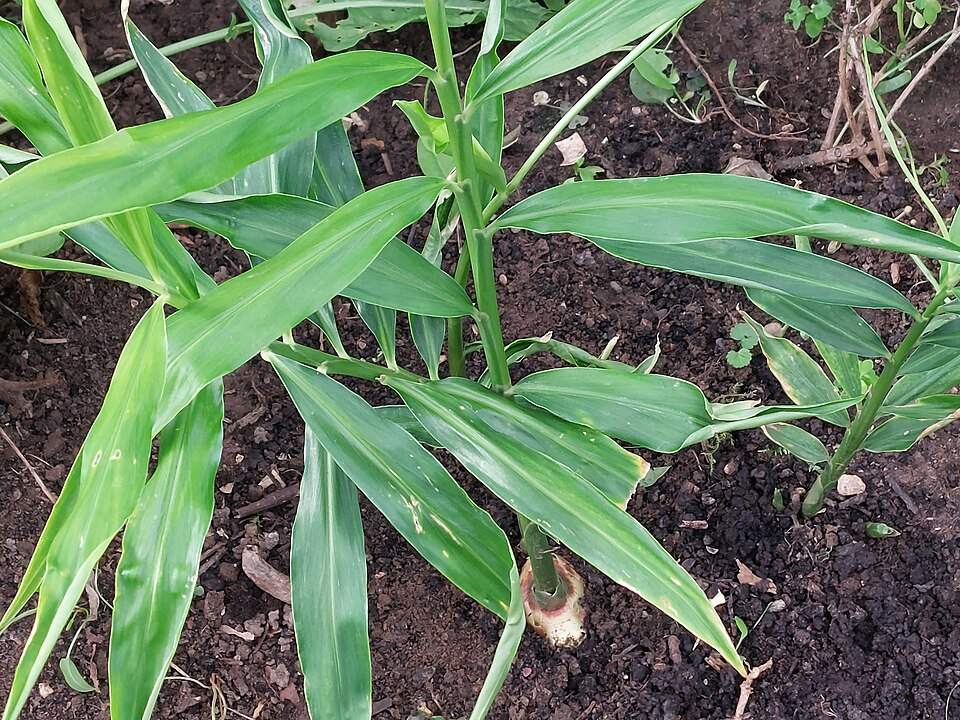
Herbal tea for the airways: a recipe and the data behind it
Ginger, black elderberry and echinacea are often combined. This article explains how far the evidence goes for each ingredient and how to prepare the tea safely.
Fresh or dried ginger: how gingerol and shogaol change
Processing changes the active constituents of ginger. Fresh ginger is rich in gingerol, while dried ginger and ginger cooked for a long time are rich in shogaol.
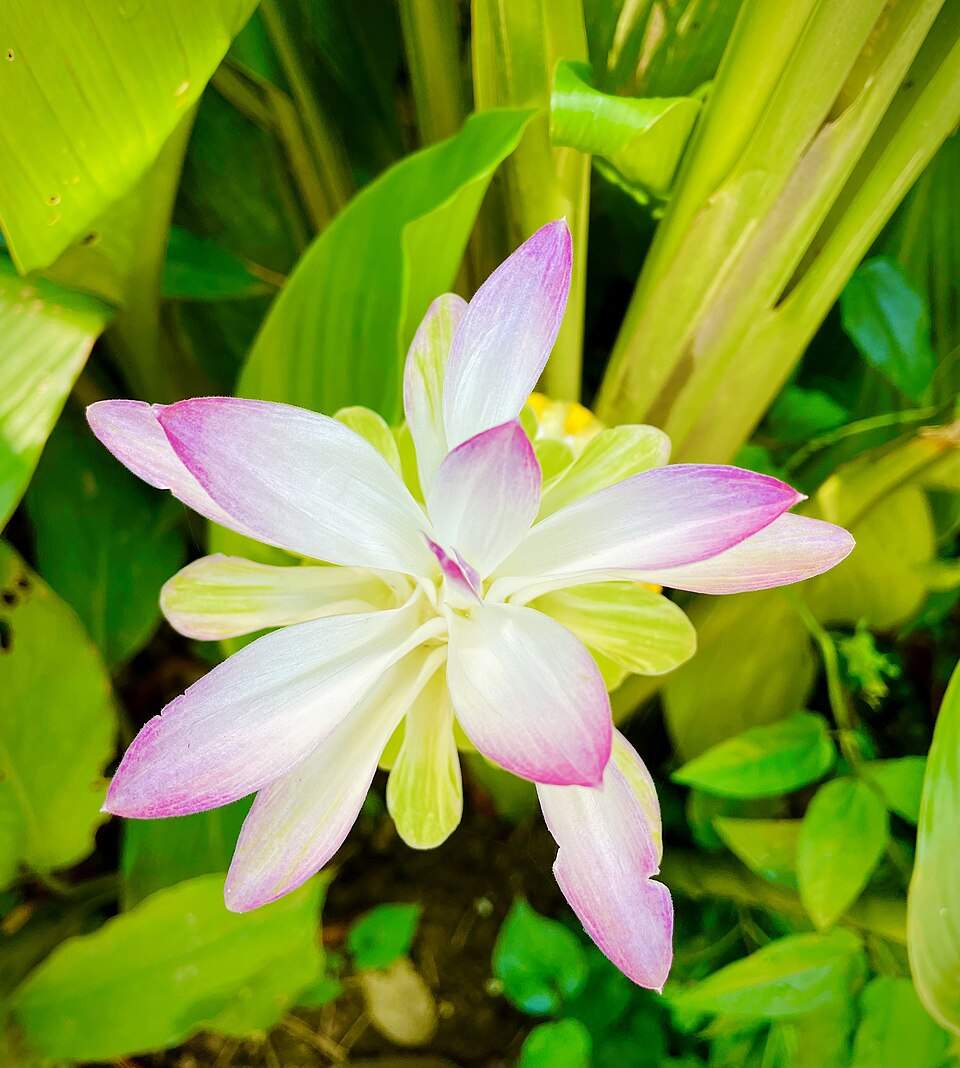
Warm turmeric–ginger drink: how to make it, and its limits
A simple traditional recipe, with a calculation showing that the curcumin in a cup is far below the dose used in trials.