
Turmeric
Curcuma longa L. · Zingiberaceae (ginger family) · Part used: Rhizome (turmeric root)
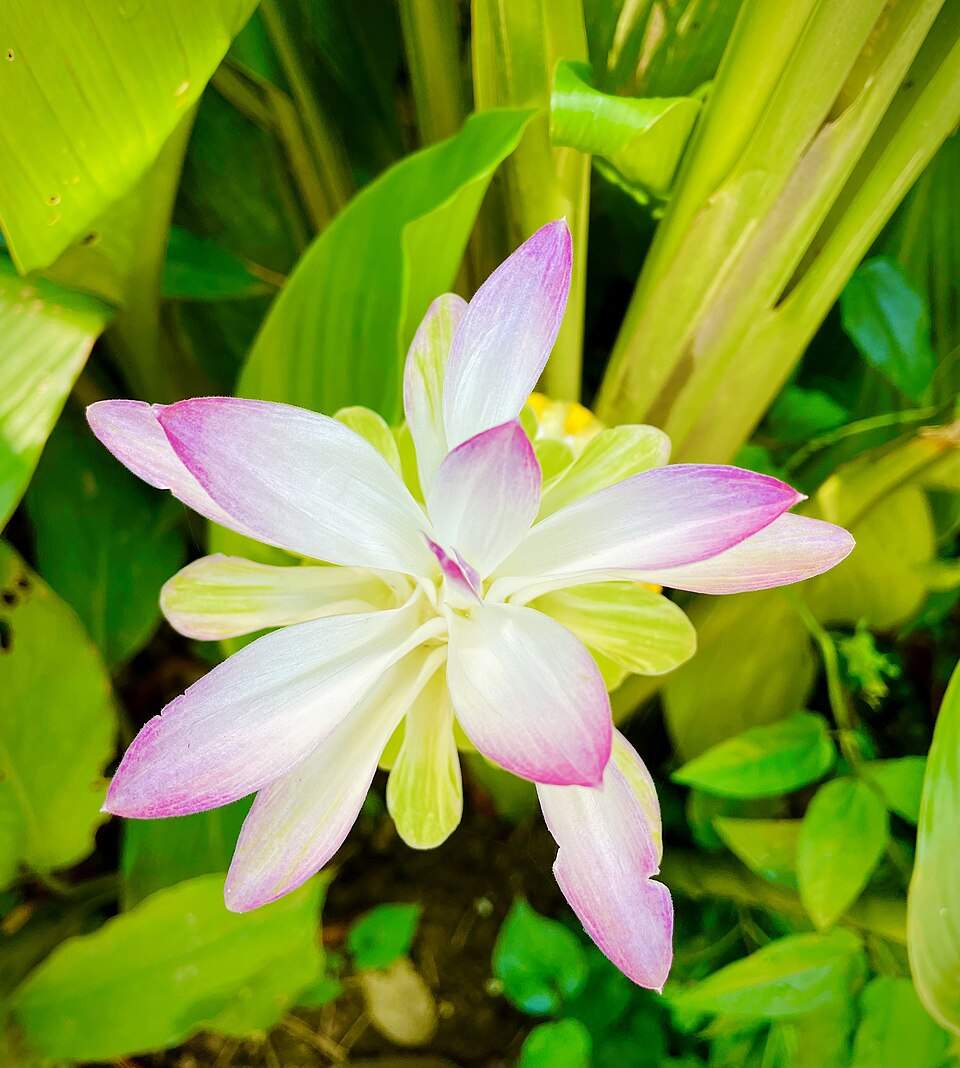

The turmeric rhizome contains the curcuminoids that give it its yellow colour, plus an essential oil rich in sesquiterpenoids. Curcumin is the most studied active compound, but very little of it is absorbed when taken by mouth.
Main chemical constituents
- Curcuminoids (about 2–5% of the dried rhizome): curcumin, demethoxycurcumin and bisdemethoxycurcumin
- Essential oil: ar-turmerone, α- and β-turmerone, curlone
- Starch, dietary fibre and a small amount of polysaccharides
Active compounds (layer 3)
Evidence by use
| Use | Evidence level | Notes |
|---|---|---|
| Pain relief in knee osteoarthritis | Moderate evidence | Several trials show a modest benefit over placebo, though the preparations, doses and durations differ. |
| Lowering systemic inflammation (CRP) | Preliminary evidence | Some meta-analyses report a slight fall, but the trials are of low quality. |
| Support during cancer treatment | Preliminary evidence | The data are mostly from laboratory and animal studies; clinical evidence is not yet enough to support a recommendation. |
Safety and precautions
- Trials usually give 500–2000 mg of curcuminoids a day, which most people tolerate well.
- Liver injury has been reported with curcumin products that contain absorption enhancers, so people with liver disease should ask a doctor first.
- Take care if you use anticoagulants or have gallstones.
Related articles
- Piperine in black pepper and the bioavailability of curcumin
- Turmeric and curcumin: what the evidence says about inflammation
- Warm turmeric–ginger drink: how to make it, and its limits
- Turmeric, pepper and chilli in cooking: how the active compounds in spices interact
References
- Hewlings SJ, Kalman DS. Curcumin: A Review of Its Effects on Human Health. Foods. 2017;6(10):92.
- Nelson KM, et al. The Essential Medicinal Chemistry of Curcumin. J Med Chem. 2017;60(5):1620–1637.