
The placebo effect in herbal research
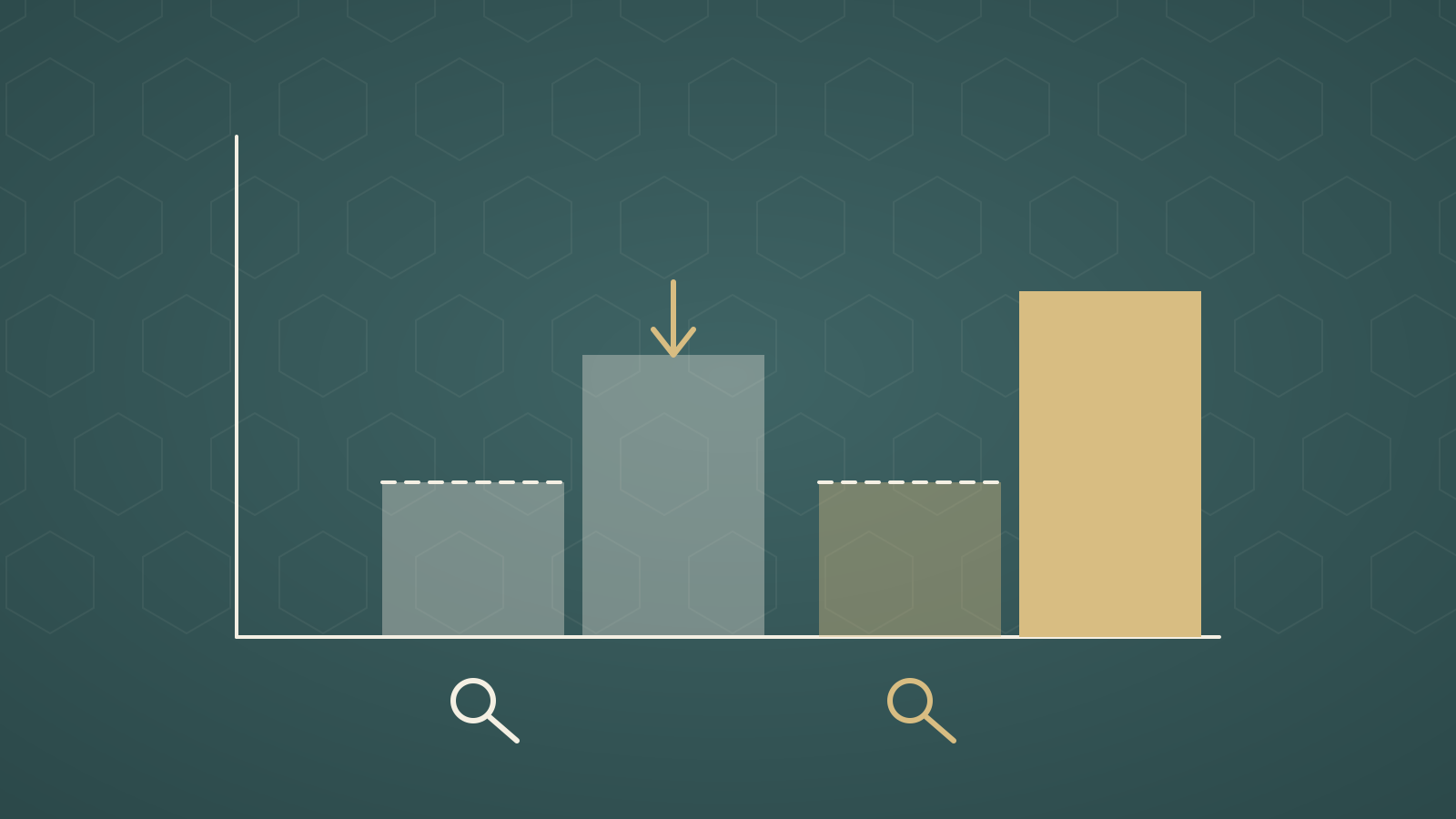
With subjective outcomes such as pain, nausea and anxiety, the placebo group often improves. A trial without a placebo group therefore cannot tell us whether a product works.
In brief
Many herbal trials measure subjective symptoms. With these outcomes the placebo group improves as well, and that improvement is easily credited to the herb by mistake.
The evidence on placebo
The Cochrane review by Hróbjartsson and Gøtzsche concluded that placebo has no large effect on objective or binary outcomes, but may have a small effect on continuous subjective outcomes such as pain.
What this means when you read studies
- You need a placebo control group, not just a before-and-after comparison.
- Blinding has to be good enough; herbs with a distinctive taste and smell are hard to blind.
- A small improvement on a subjective scale may lie within the placebo range.
Go deeper (mechanisms, methods, limitations)
An example: studies on stress
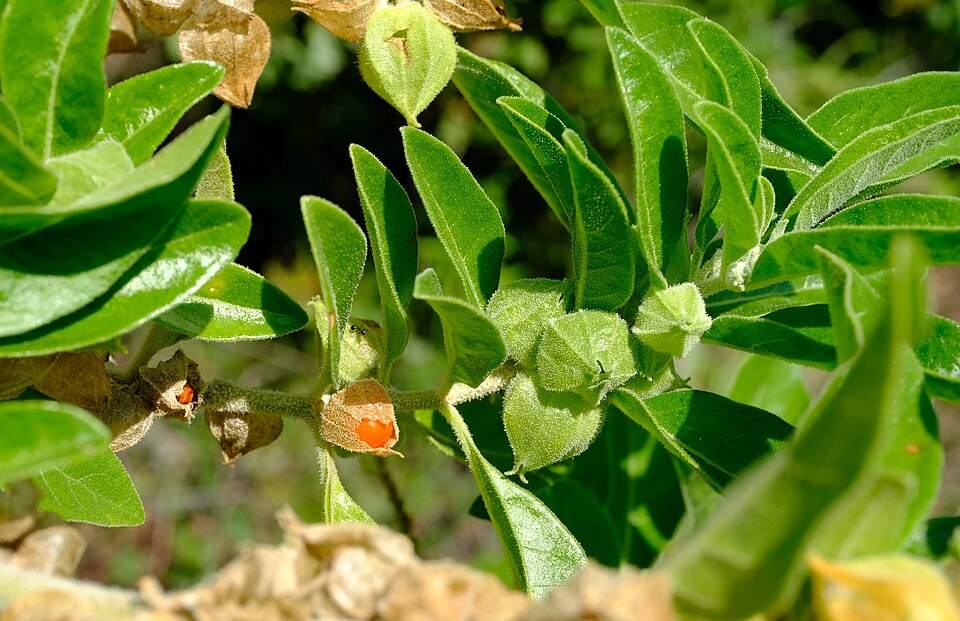
The ashwagandha trials on stress mostly use self-reported scales. This type of outcome is sensitive to what participants expect, so the small sample sizes and the sponsor are two things to read closely.
In the library
References
- Hróbjartsson A, Gøtzsche PC. Placebo interventions for all clinical conditions. Cochrane Database Syst Rev. 2010;(1):CD003974.
More articles
How to read a clinical trial of an herbal product
Six questions that help you tell a trustworthy trial from one that only looks scientific.
Ashwagandha: an adaptogen, or just hype?
Randomised trials on stress and anxiety give encouraging signals, but they are small, short and easily biased. There are warnings about liver injury.

Does the label tell the truth? Evidence from DNA barcoding
A DNA barcoding study of herbal products in North America found that many contained species that were not on the label. The result is valuable, but it has limitations.