
Publication bias: why positive trials look more common than they are
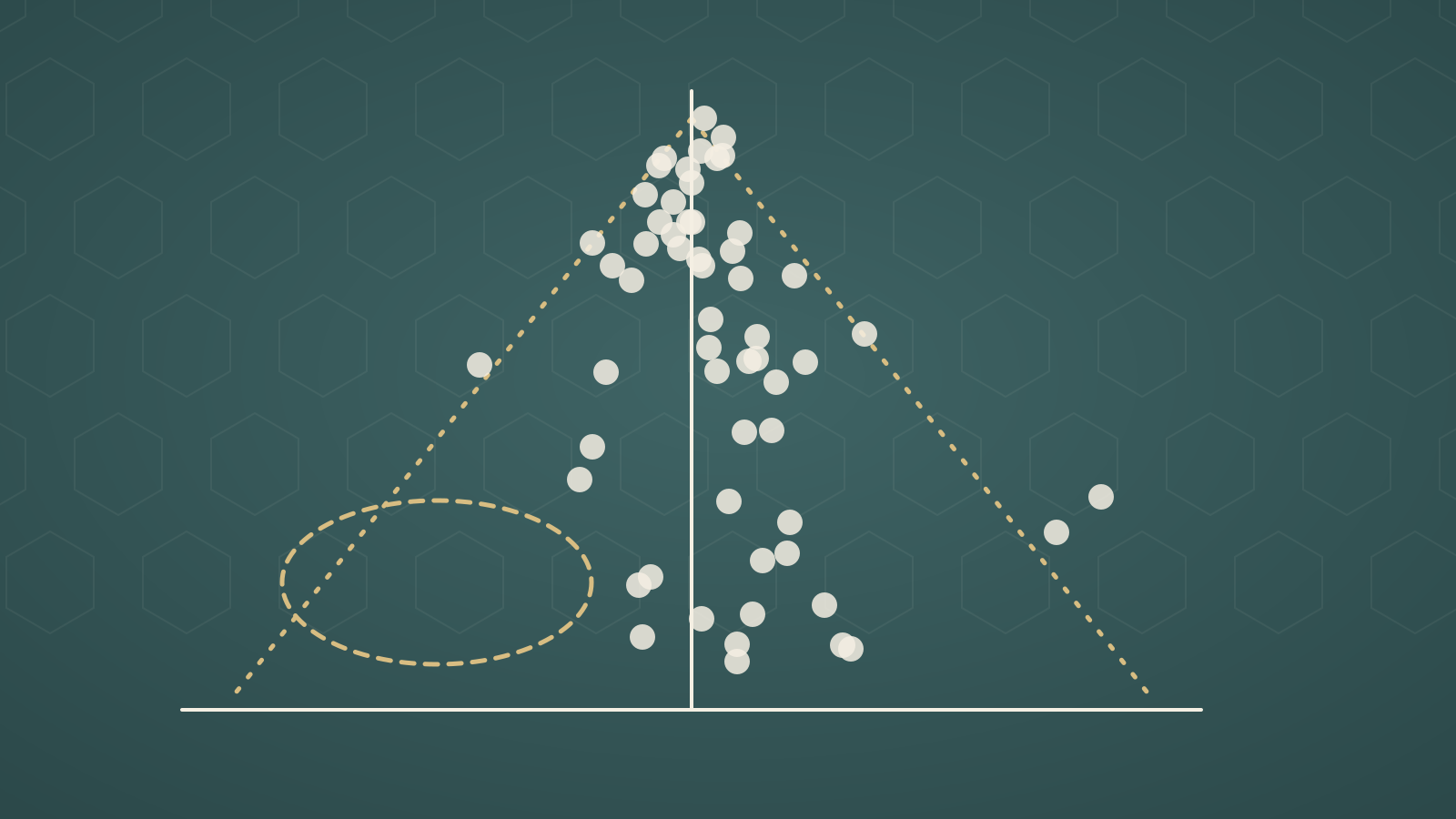
Positive results are published more readily than negative ones, so systematic reviews overestimate how well things work.
In brief
If only positive trials are published, readers get a skewed picture of how well herbs and herbal products work. This is publication bias and outcome reporting bias.
Signs to look for
- A trial whose primary outcome was not registered in advance.
- Reported outcomes that differ from the registered ones.
- Most of the studies come from the same group or sponsor.
- A review that includes only small trials.
Suggestion
Check the trial registration (for example on ClinicalTrials.gov) and look for independent reviews such as Cochrane.
Go deeper (mechanisms, methods, limitations)
Empirical evidence
Systematic reviews of publication bias find that trials with statistically significant results are published more often, and that non-significant outcomes are easily left out of reports.
References
- Dwan K, Altman DG, Arnaiz JA, et al. Systematic review of the empirical evidence of study publication bias and outcome reporting bias. PLoS ONE. 2008;3(8):e3081.
More articles

How to read a clinical trial of an herbal product
Six questions that help you tell a trustworthy trial from one that only looks scientific.
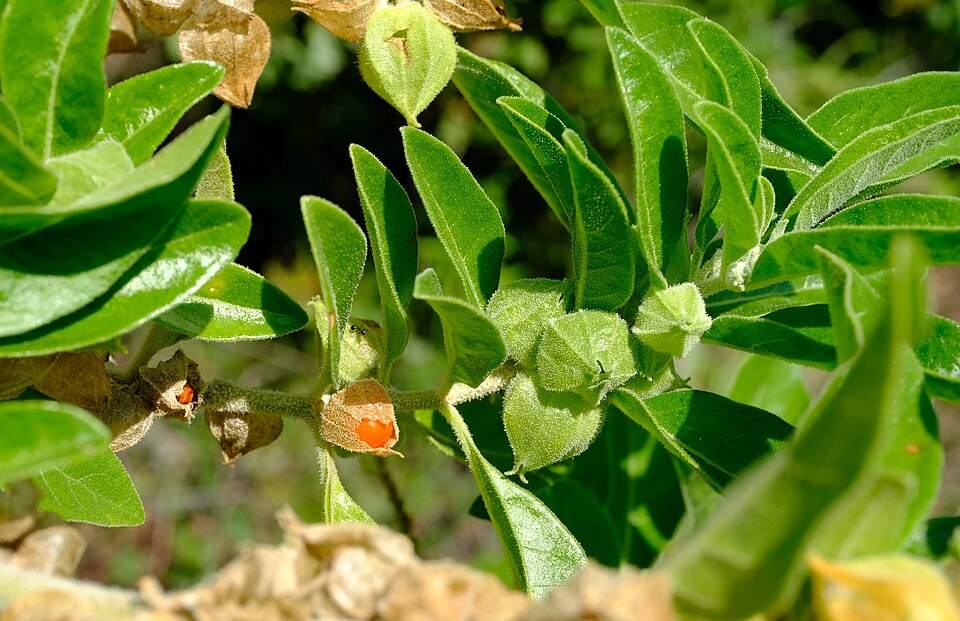
Ashwagandha: an adaptogen, or just hype?
Randomised trials on stress and anxiety give encouraging signals, but they are small, short and easily biased. There are warnings about liver injury.

Does the label tell the truth? Evidence from DNA barcoding
A DNA barcoding study of herbal products in North America found that many contained species that were not on the label. The result is valuable, but it has limitations.