
Black elderberry: why it must be cooked first
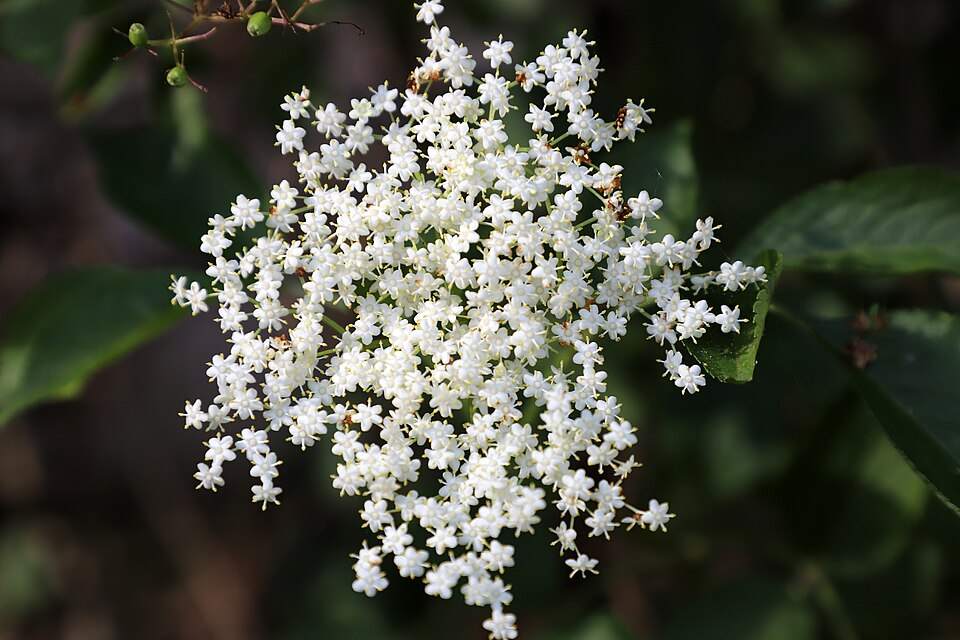
The raw berries, leaves, stems and seeds of black elderberry contain cyanogenic glycosides. Cooking reduces the risk of poisoning.
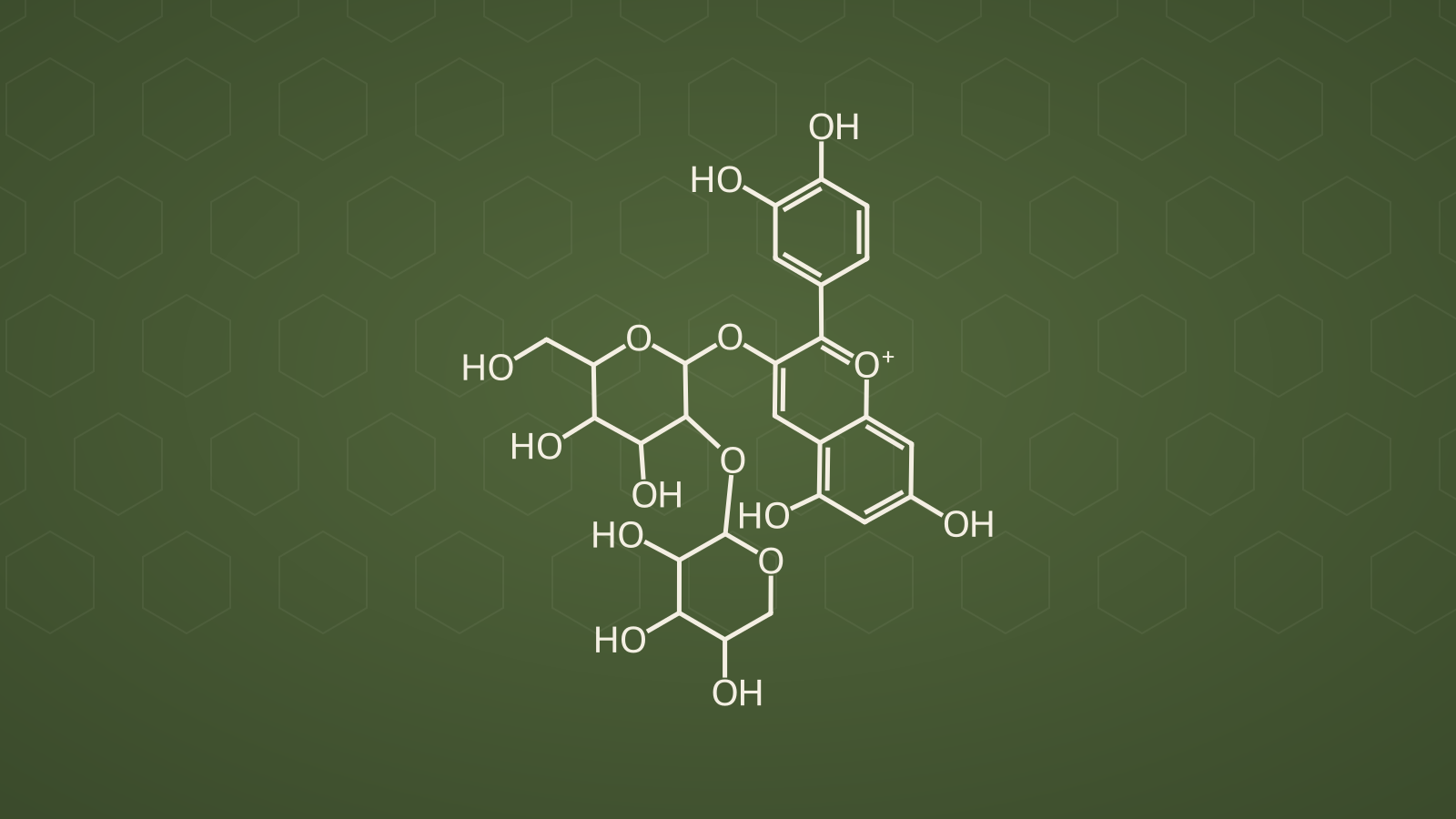
In brief
Black elderberry (Sambucus nigra) is rich in anthocyanins, but the raw parts of the plant contain cyanogenic glycosides such as sambunigrin. The berries must be cooked; the leaves, stems, bark and seeds should not be used.
Symptoms of poisoning
People who drank juice made from raw berries and stems have reported nausea, vomiting, diarrhoea and headache. A typical case was documented in California in 1984.
Using it safely
- Use only ripe berries, and remove the stalks and leaves.
- Boil the berries before you make syrup or juice.
- For commercial products, choose a standardised product that states that the material has been heat-treated.
Go deeper (mechanisms, methods, limitations)
Clinical effect
A meta-analysis of four small trials reported fewer upper respiratory symptoms. The small samples and the differences between products mean that it cannot yet be counted as strong evidence.
In the library
References
- Hawkins J, et al. Complement Ther Med. 2019;42:361–365.
- Centers for Disease Control. Poisoning from elderberry juice, California. MMWR. 1984;33(13):173–174.
More articles
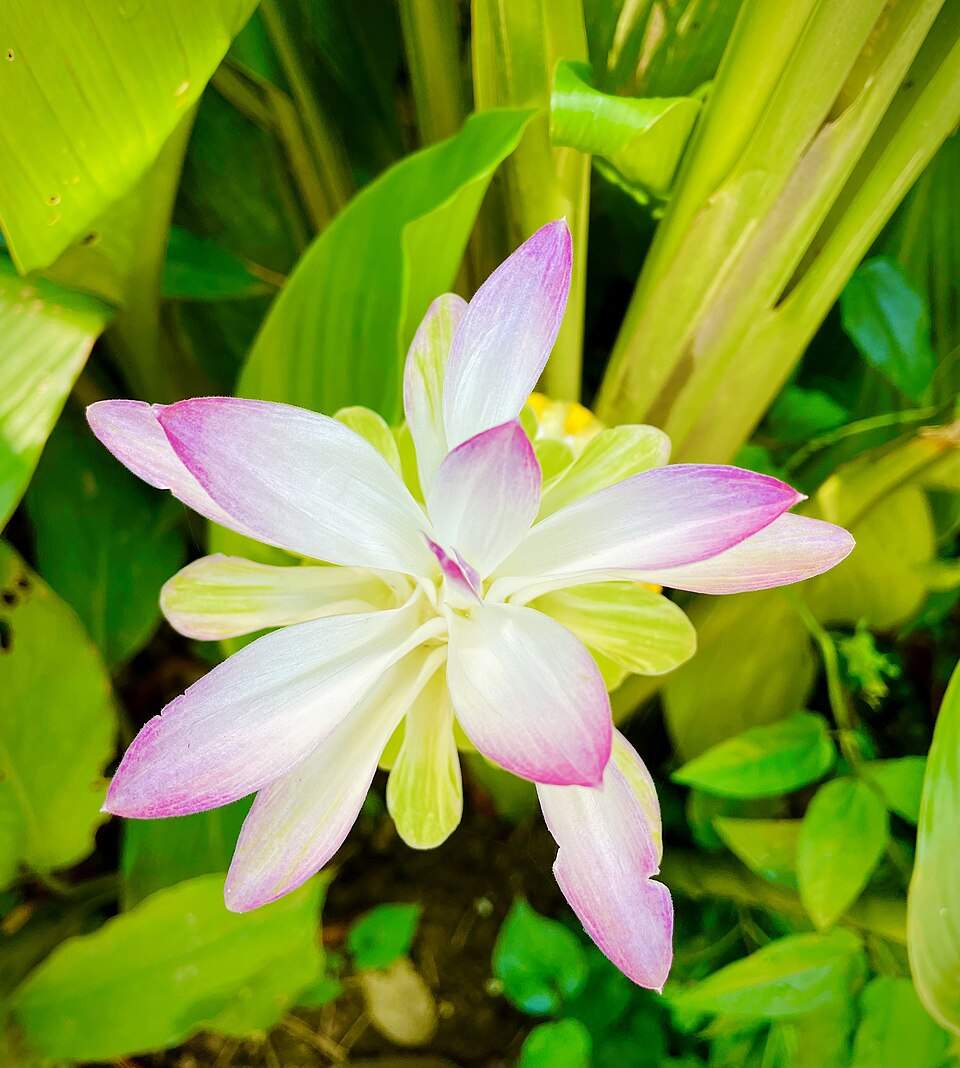
Piperine in black pepper and the bioavailability of curcumin
Piperine greatly raises blood curcumin levels, but the same mechanism also changes how many drugs are metabolised.
Turmeric and curcumin: what the evidence says about inflammation
Curcumin does many things in laboratory experiments, but the clinical evidence is modest. This article separates what we know at the level of cells, animals and people.
Herb–drug interactions: what to know before you combine them
Herbs are mixtures of many active compounds and can change the levels or effects of prescription drugs. The plant that most often causes interactions is St John's wort.