
β-Carotene and lung cancer: when a supplement backfires

Two large trials, ATBC and CARET, showed that high-dose β-carotene capsules raise the risk of lung cancer in smokers.
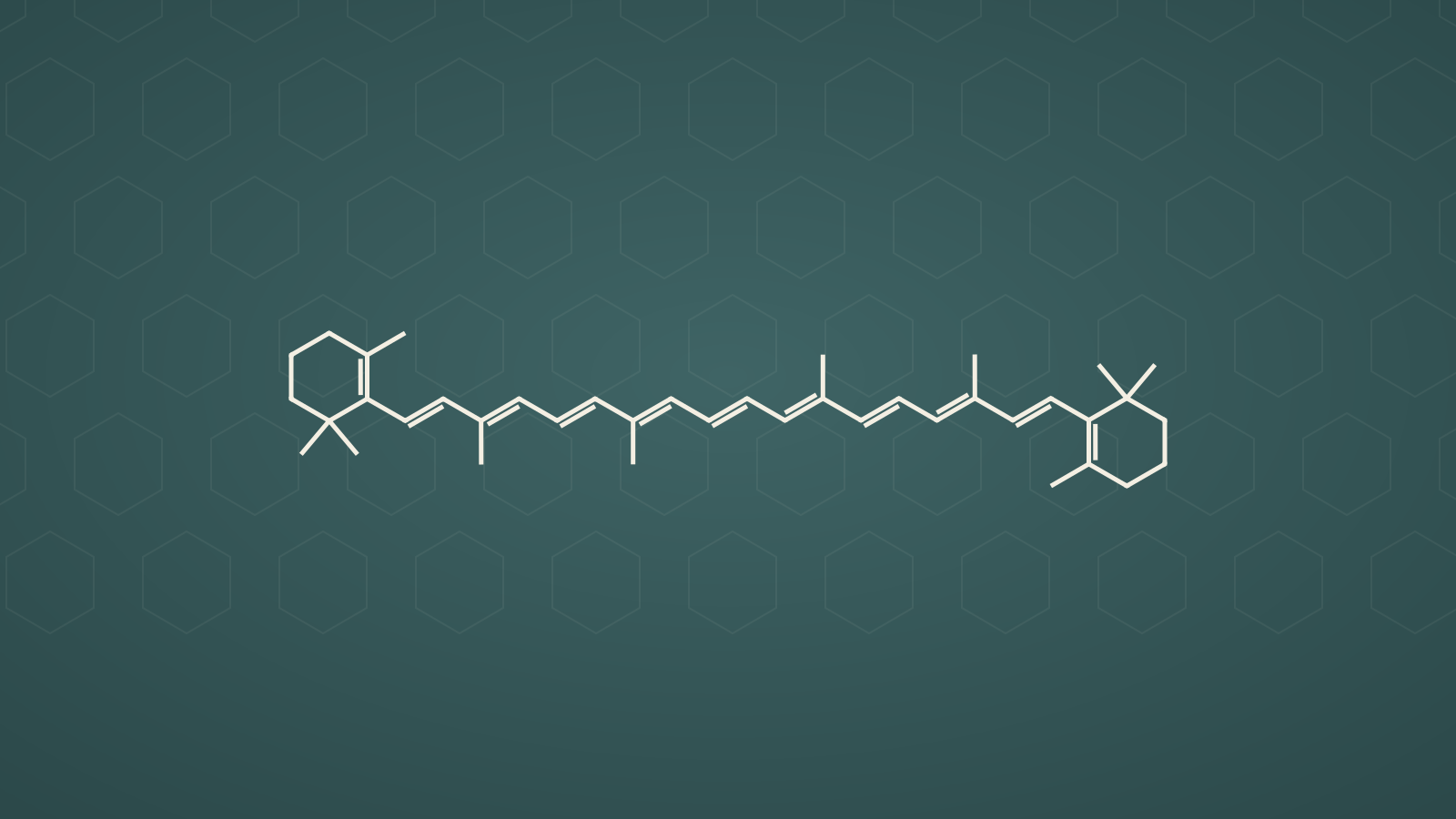
In brief
Observational studies show that people who eat a lot of carotenoid-rich vegetables and fruit have less lung cancer. Two intervention trials tested this idea with β-carotene capsules and got the opposite result.
The main results
- ATBC (Finland): male smokers who took β-carotene 20 mg a day had a higher rate of lung cancer than the placebo group.
- CARET (United States): smokers, and people who had been exposed to asbestos, who took β-carotene together with retinol had a higher risk of lung cancer.
The lesson
What a food does is not the same as what a single isolated compound does at a high dose.
Go deeper (mechanisms, methods, limitations)
A proposed explanation
At the high oxygen pressure in the lungs, and in the presence of cigarette smoke, β-carotene may be oxidised to pro-oxidant products. This is a hypothesis, not yet a conclusion.
In the library
References
- Alpha-Tocopherol, Beta Carotene Cancer Prevention Study Group. N Engl J Med. 1994;330(15):1029–1035.
- Omenn GS, et al. N Engl J Med. 1996;334(18):1150–1155.
More articles

How to read a clinical trial of an herbal product
Six questions that help you tell a trustworthy trial from one that only looks scientific.
Ashwagandha: an adaptogen, or just hype?
Randomised trials on stress and anxiety give encouraging signals, but they are small, short and easily biased. There are warnings about liver injury.

Does the label tell the truth? Evidence from DNA barcoding
A DNA barcoding study of herbal products in North America found that many contained species that were not on the label. The result is valuable, but it has limitations.