
Silexan and subthreshold anxiety: what the trials show
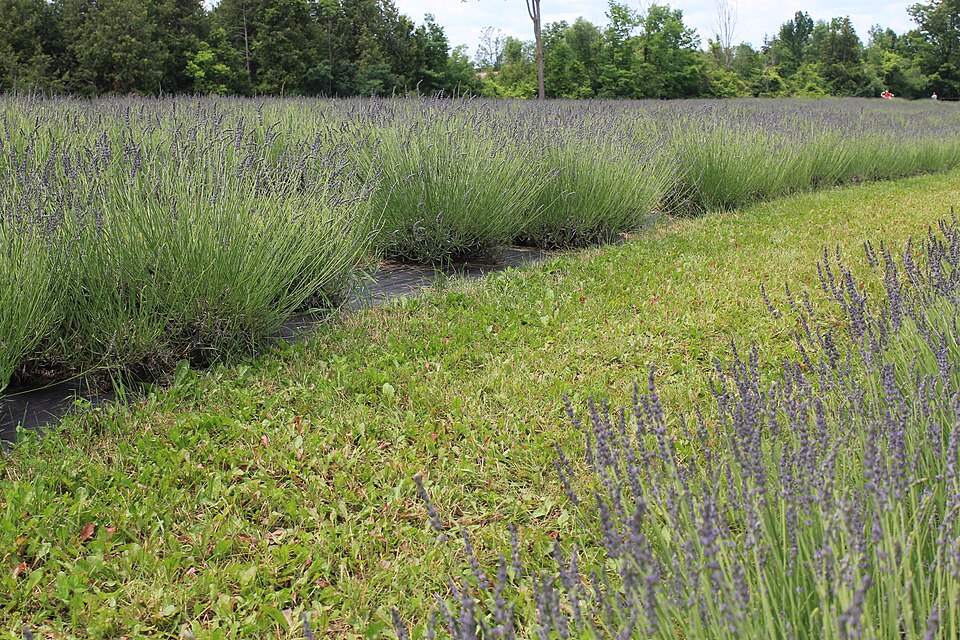
A standardised oral lavender product gives positive results in controlled trials, but the funding and the scope need to be read carefully.
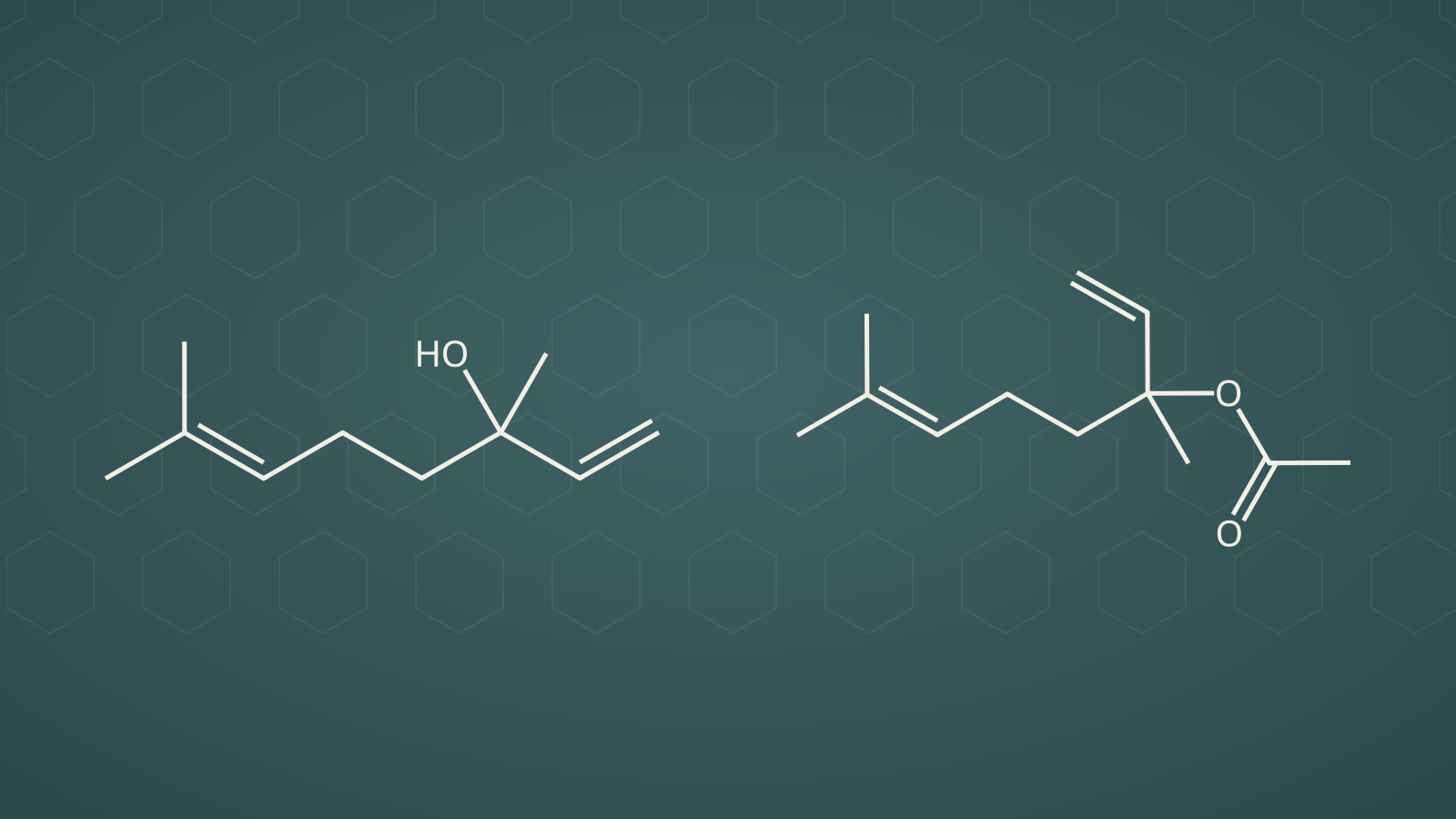
In brief
In several randomised trials lasting six to ten weeks, silexan 80 mg a day lowered anxiety scores compared with placebo. The product is not the same as ordinary essential oil.
What to read closely
- Most of the trials were funded by the same manufacturer.
- Participants had subthreshold, or mild to moderate, anxiety.
- Independent confirmation and longer follow-up are needed.
A cautious conclusion
The data are enough to regard silexan as a candidate worth studying, but not enough to replace standard treatment.
Go deeper (mechanisms, methods, limitations)
Effect size
Comparing anxiety scores across the trials shows a moderate effect, but with a wide confidence interval. The outcome is a self-rated scale, so it is open to placebo influence.
In the library
References
- Kasper S, et al. Int Clin Psychopharmacol. 2010;25(5):277–287.
More articles
How to read a clinical trial of an herbal product
Six questions that help you tell a trustworthy trial from one that only looks scientific.
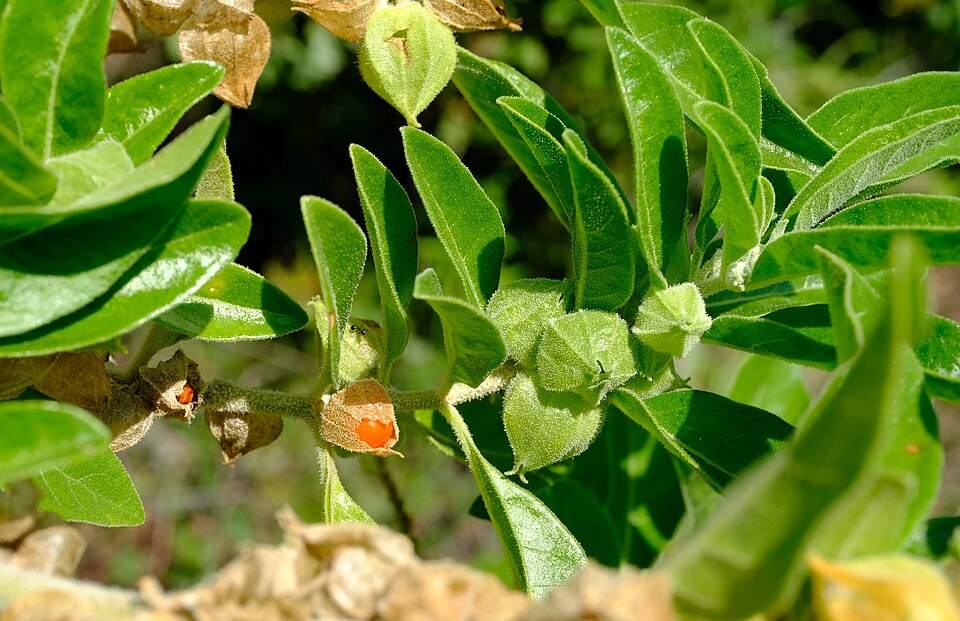
Ashwagandha: an adaptogen, or just hype?
Randomised trials on stress and anxiety give encouraging signals, but they are small, short and easily biased. There are warnings about liver injury.
Does the label tell the truth? Evidence from DNA barcoding
A DNA barcoding study of herbal products in North America found that many contained species that were not on the label. The result is valuable, but it has limitations.