
Milk thistle and the liver: what the Cochrane review says
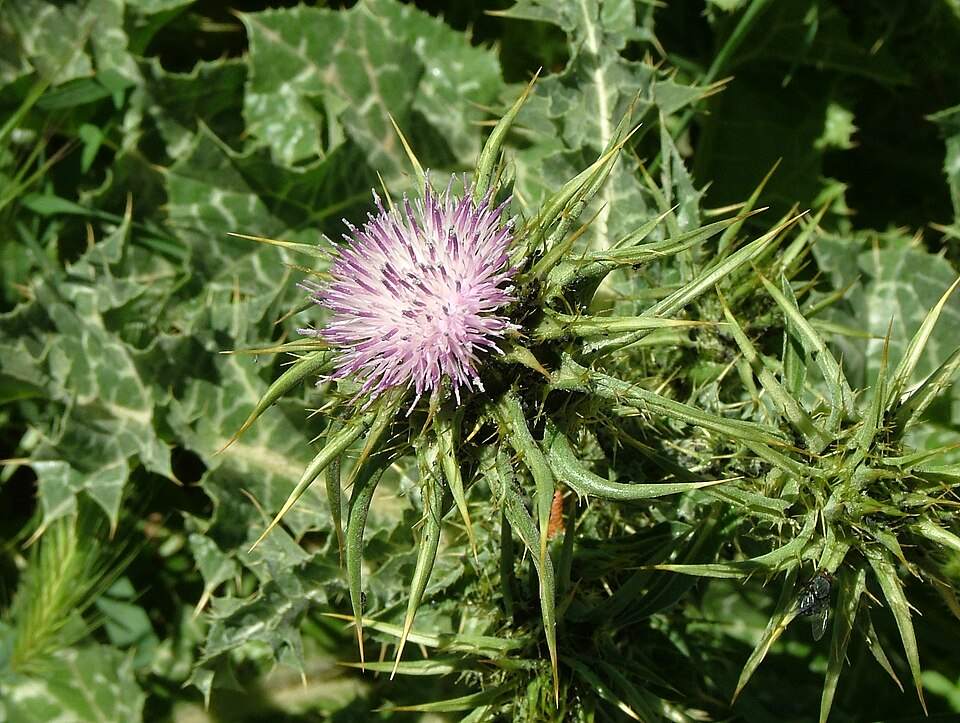
Silymarin is widely used for liver disease, but high-quality trials found no reduction in deaths or liver events.
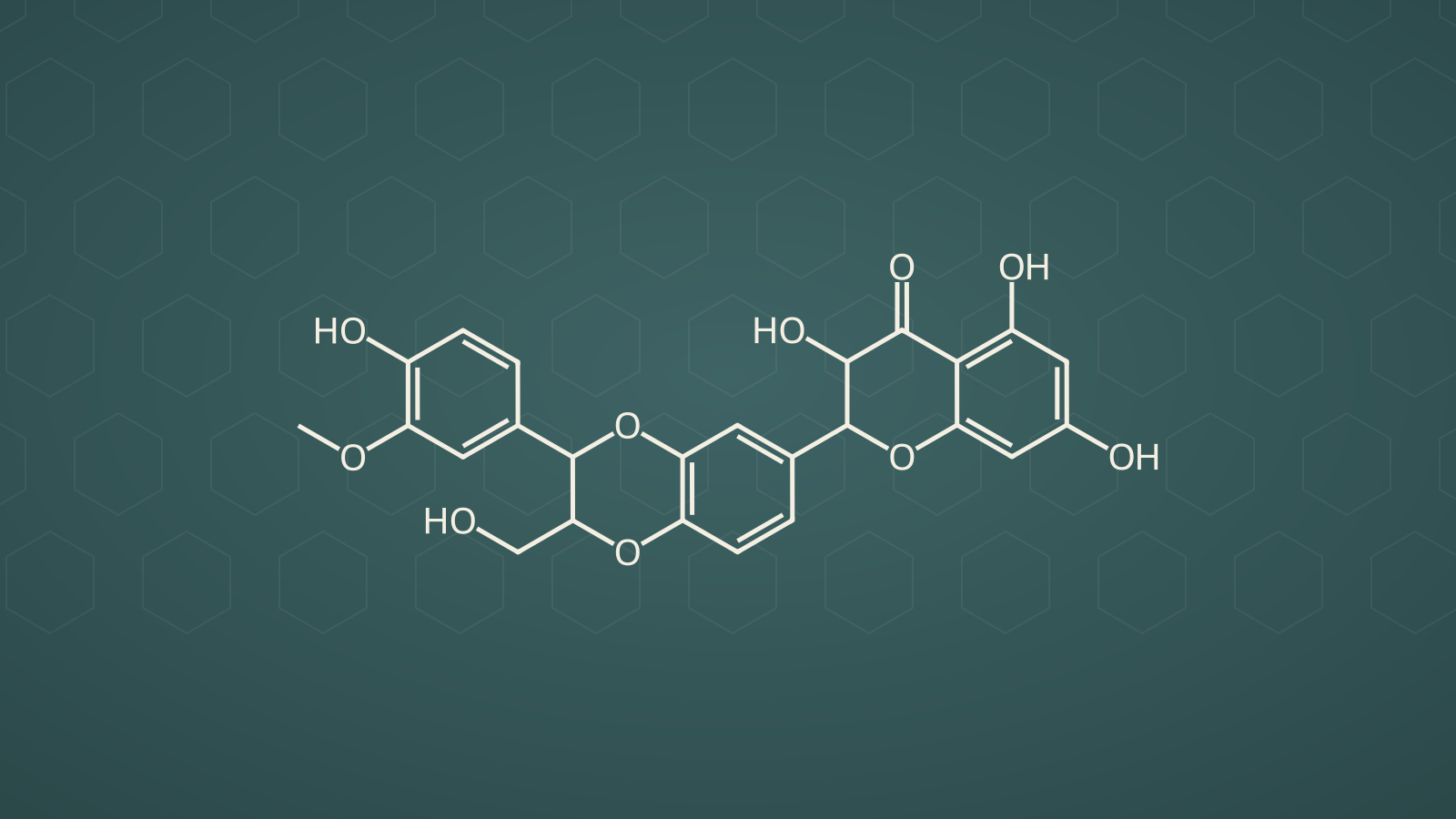
In brief
A Cochrane review of milk thistle in alcoholic liver disease and hepatitis B and C found no meaningful reduction in deaths and no improvement in clinical outcomes when only the trials at low risk of bias were considered.
Amanita mushroom poisoning
Intravenous silibinin is used in some centres for poisoning by toxic mushrooms, but the data are mainly case reports. This is a medical emergency; do not treat it yourself with capsules.
Suggestion
If you have liver disease, take your medicines as directed and do not replace them with milk thistle.
Go deeper (mechanisms, methods, limitations)
Bias in the trials
Positive results are more common in trials of low methodological quality, which is a common form of bias.
In the library
References
- Rambaldi A, et al. Cochrane Database Syst Rev. 2007;(4):CD003620.
More articles

How to read a clinical trial of an herbal product
Six questions that help you tell a trustworthy trial from one that only looks scientific.
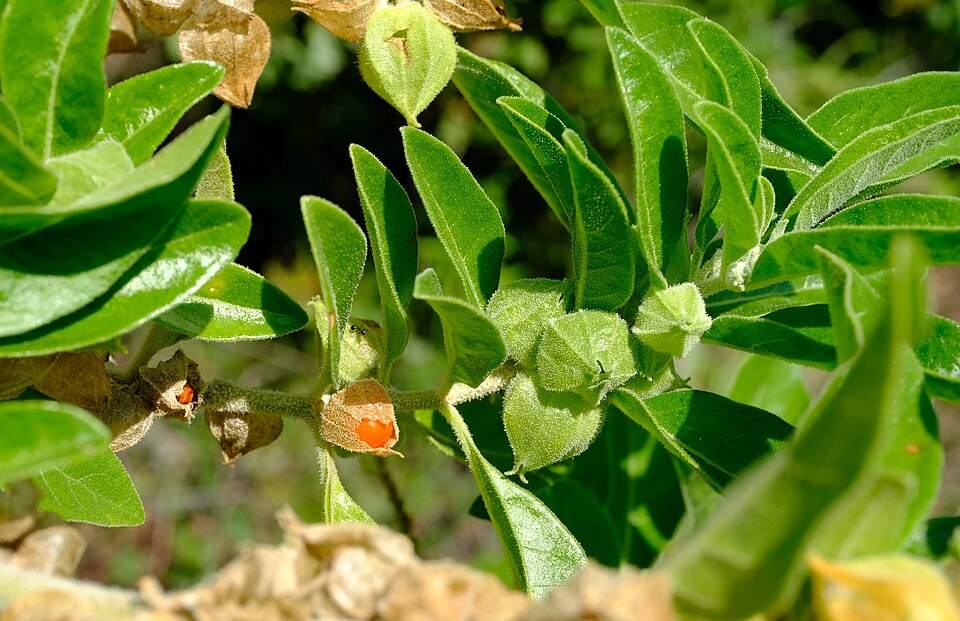
Ashwagandha: an adaptogen, or just hype?
Randomised trials on stress and anxiety give encouraging signals, but they are small, short and easily biased. There are warnings about liver injury.

Does the label tell the truth? Evidence from DNA barcoding
A DNA barcoding study of herbal products in North America found that many contained species that were not on the label. The result is valuable, but it has limitations.