
Chilli pepper
Capsicum annuum L. · Solanaceae (nightshade family) · Part used: Fruit
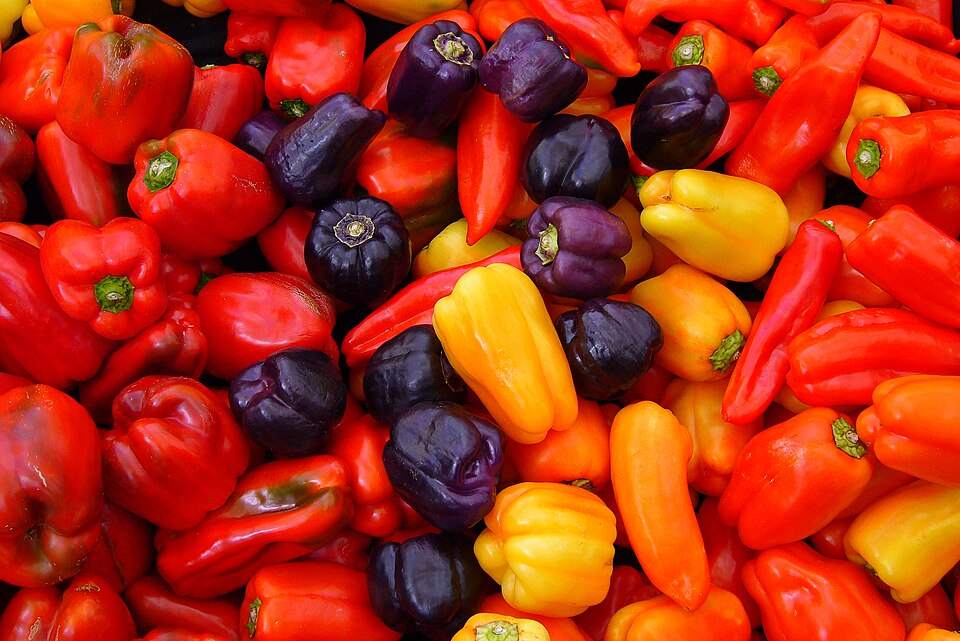

Chilli contains capsaicin, which activates the TRPV1 receptor and produces the sensation of heat. High-concentration capsaicin is applied to the skin to treat neuropathic pain.
Main chemical constituents
- Capsaicinoids: capsaicin and dihydrocapsaicin
- Carotenoids: capsanthin and β-carotene
- Vitamin C
Active compounds (layer 3)
Evidence by use
| Use | Evidence level | Notes |
|---|---|---|
| Relief of neuropathic pain with 8% capsaicin patches | Moderate evidence | A Cochrane review found a benefit in some patients with pain after shingles; the patch has to be applied in a clinic. |
| Weight loss through heat production (thermogenesis) | Preliminary evidence | The effect is small. |
Safety and precautions
- It burns and hurts on skin and mucous membranes; keep it away from your eyes.
- Large amounts may make reflux and stomach pain worse.
- High-concentration capsaicin should be used only under medical direction.
Related articles
References
- Derry S, Rice AS, Cole P, Tan T, Moore RA. Topical capsaicin (high concentration) for chronic neuropathic pain in adults. Cochrane Database Syst Rev. 2017;(1):CD007393.