
Lavender
Lavandula angustifolia Mill. · Lamiaceae (mint family) · Part used: Flowers and essential oil
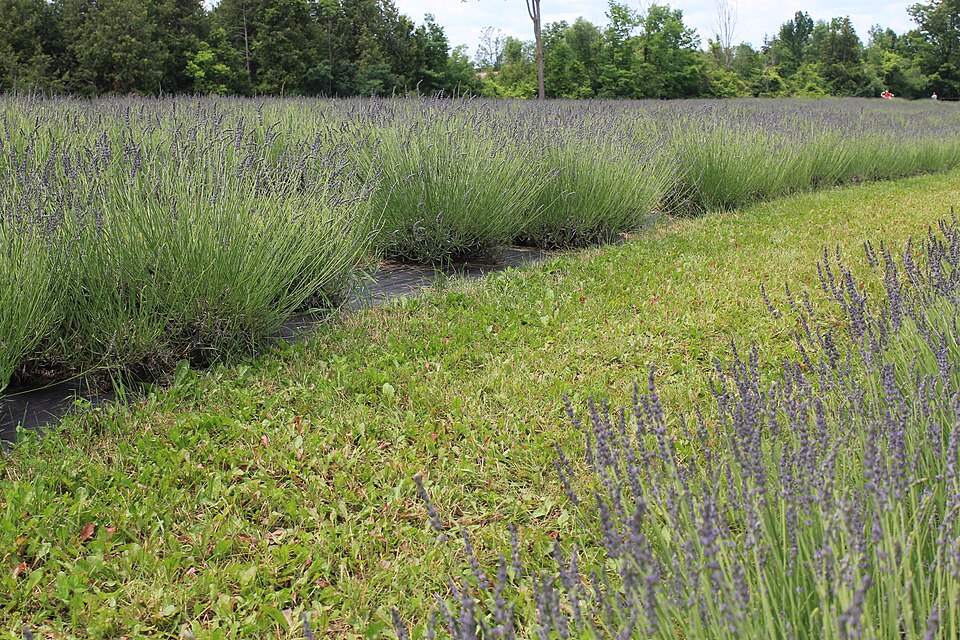

Lavender oil is rich in linalool and linalyl acetate. The standardised oral preparation silexan has been tested in clinical trials on anxiety.
Main chemical constituents
- Essential oil: linalool and linalyl acetate
- Lavandulyl acetate and 1,8-cineole
- Rosmarinic acid and coumarins
Active compounds (layer 3)
Evidence by use
| Use | Evidence level | Notes |
|---|---|---|
| Easing anxiety below the clinical threshold (silexan 80 mg) | Moderate evidence | Placebo-controlled trials report lower anxiety scores; most were run by the same authors or sponsor. |
| Better sleep (inhaling the aroma) | Preliminary evidence | Small trials with subjective outcomes. |
Safety and precautions
- Pure essential oil must not be taken by mouth.
- It can cause contact dermatitis.
- Reports that repeated use of the oil on the skin has a feminising effect in young boys are still debated.
Related articles
- Silexan and subthreshold anxiety: what the trials show
- Lavender essential oil: using the fragrance safely
References
- Kasper S, Gastpar M, Müller WE, et al. Silexan, an orally administered Lavandula oil preparation, is effective in the treatment of 'subsyndromal' anxiety disorder. Int Clin Psychopharmacol. 2010;25(5):277–287.