
Cinnamon
Cinnamomum spp. (C. verum, C. cassia, C. loureiroi) · Lauraceae (laurel family) · Part used: Stem bark
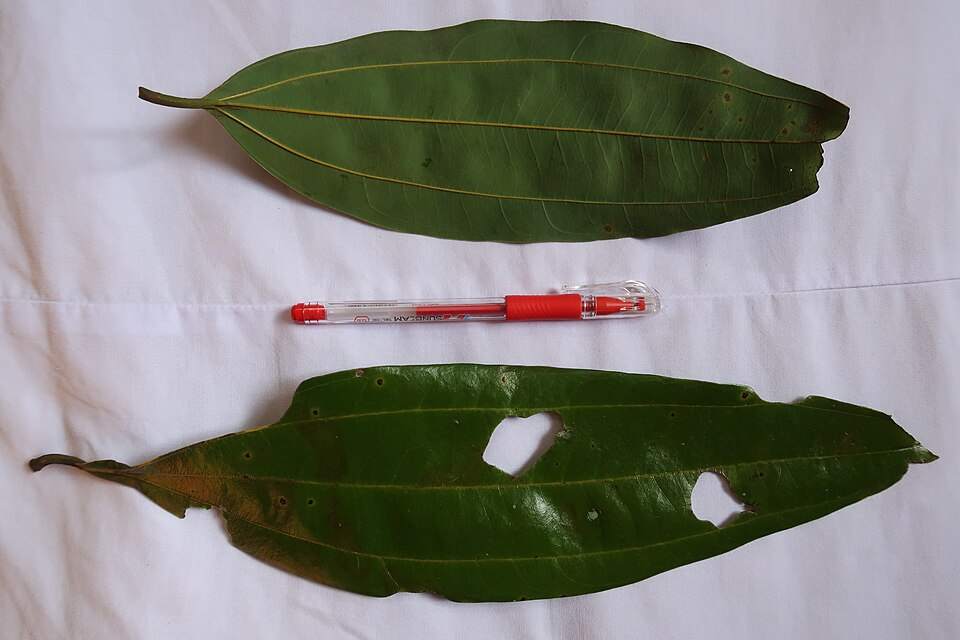

Cinnamon bark contains an essential oil rich in cinnamaldehyde. Cassia cinnamon, which includes Vietnamese cinnamon, contains far more coumarin than Ceylon cinnamon, so the daily intake limit is worth keeping in mind.
Main chemical constituents
- Essential oil (1–4%): (E)-cinnamaldehyde (60–90%), eugenol and linalool
- Coumarin: very little in C. verum, much more in the cassia species
- Procyanidins, tannins and mucilage
Active compounds (layer 3)
Evidence by use
| Use | Evidence level | Notes |
|---|---|---|
| Lower fasting glucose in type 2 diabetes | Preliminary evidence | Meta-analyses report a small effect, but the trials are of low quality and differ from one another. |
| Better blood lipids | Preliminary evidence | The data are inconsistent. |
Safety and precautions
- Coumarin can damage the liver in sensitive people; EFSA and BfR have set a tolerable daily intake of 0.1 mg of coumarin per kg of body weight.
- Regularly eating large amounts of cassia powder can easily push you over this limit, especially if you are a child.
- Cinnamaldehyde can irritate the lining of the mouth and cause contact dermatitis.
Related articles
References
- Allen RW, Schwartzman E, Baker WL, Coleman CI, Phung OJ. Cinnamon use in type 2 diabetes: an updated systematic review and meta-analysis. Ann Fam Med. 2013;11(5):452–459.