
Rosemary
Rosmarinus officinalis L. · Lamiaceae (mint family) · Part used: Leaf
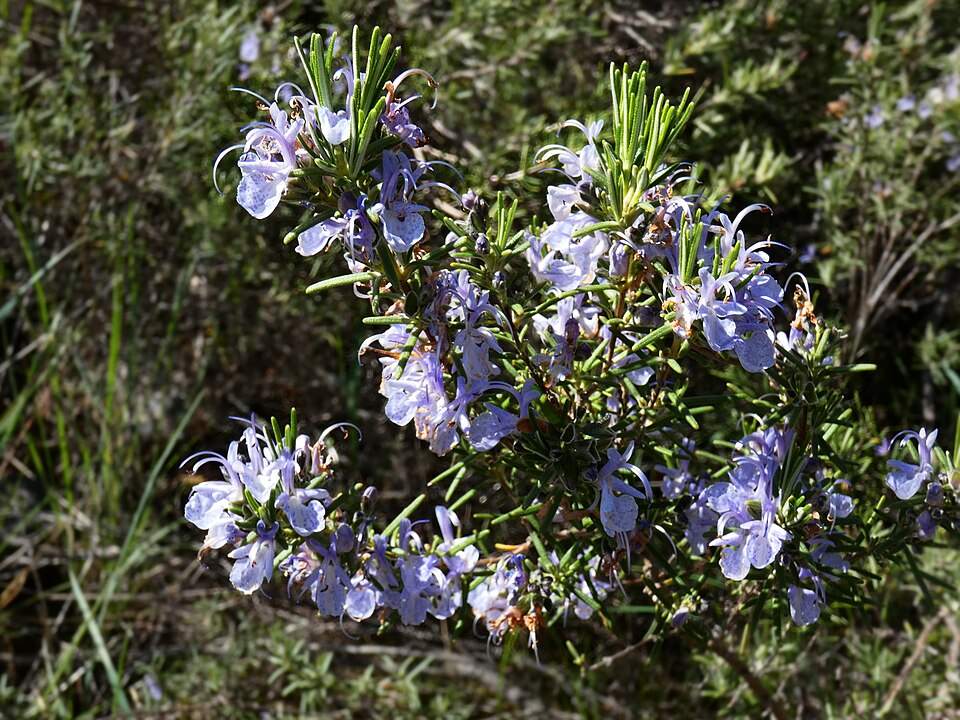

Rosemary leaf contains carnosic acid, rosmarinic acid and an essential oil rich in cineole. Carnosic acid is used as a natural antioxidant in food, but clinical data are very scarce.
Main chemical constituents
- Phenolic diterpenes: carnosic acid and carnosol
- Rosmarinic acid
- Essential oil: 1,8-cineole, camphor and α-pinene
Active compounds (layer 3)
Evidence by use
| Use | Evidence level | Notes |
|---|---|---|
| Better memory or thinking | Preliminary evidence | The studies are mostly small trials of the aroma or of low doses, and they are not enough to draw a conclusion. |
Safety and precautions
- As a cooking herb it is safe; high doses of the essential oil can cause seizures in sensitive people.
- Avoid medicinal doses in pregnancy.
- Pure essential oil must not be taken by mouth.