
Holy basil (tulsi)
Ocimum tenuiflorum L. · Lamiaceae (mint family) · Part used: Leaf
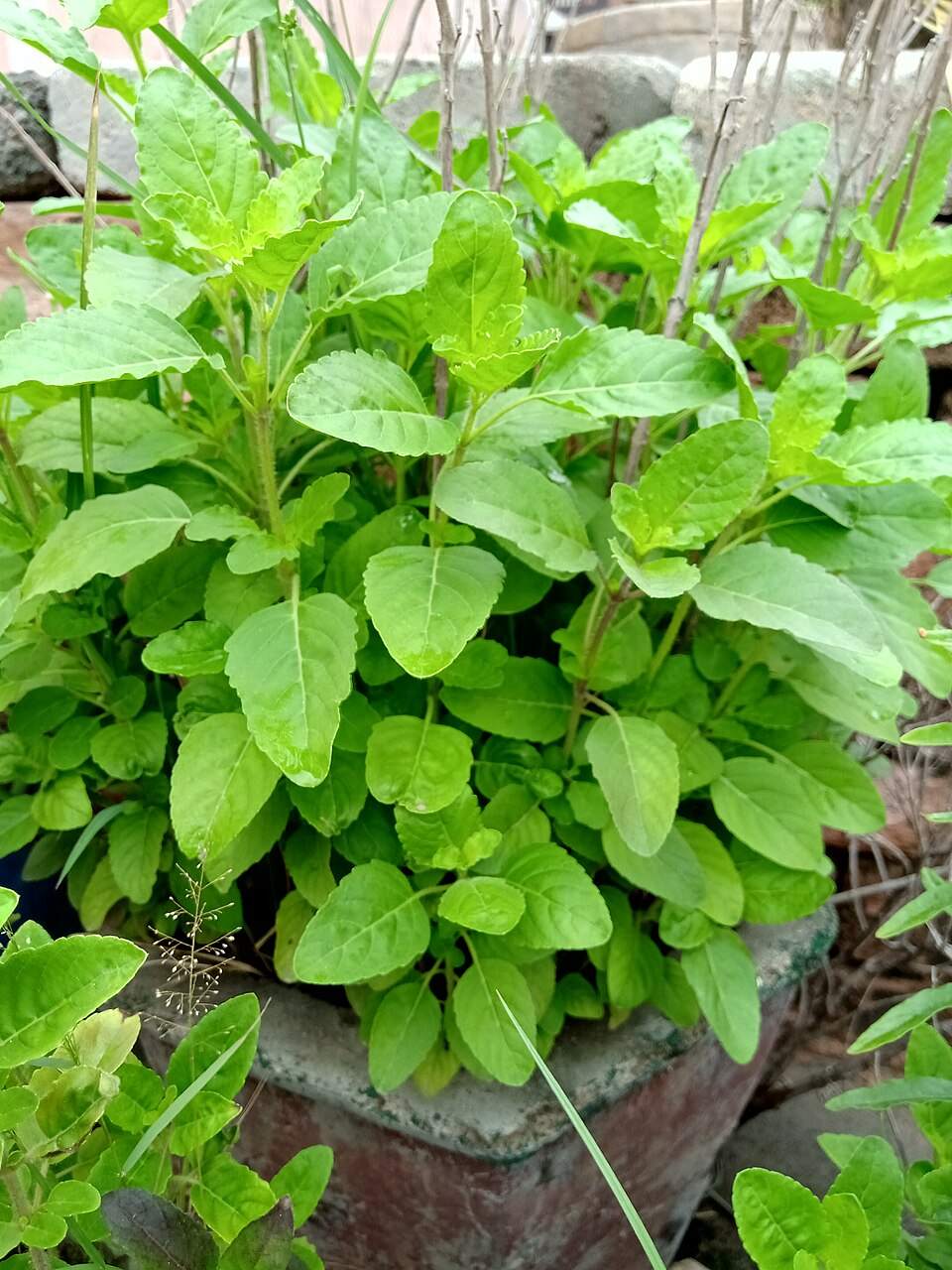

Tulsi is a traditional Indian medicinal plant. The leaf contains ursolic acid and an essential oil rich in eugenol; there are few clinical trials, and they are small.
Main chemical constituents
- Triterpenes: ursolic acid and oleanolic acid
- Essential oil: eugenol, methyl eugenol and β-caryophyllene
- Flavonoids and rosmarinic acid
Active compounds (layer 3)
Evidence by use
| Use | Evidence level | Notes |
|---|---|---|
| Less stress and anxiety | Preliminary evidence | Systematic reviews see encouraging signals, but the trials are small and of low quality. |
| Help with controlling blood glucose | Preliminary evidence | The data are preliminary. |
Safety and precautions
- It may lower blood glucose, so take care if you use glucose-lowering drugs.
- The methyl eugenol in the essential oil raises concerns about toxicity with long-term use.
- Avoid it in pregnancy.
Related articles
References
- Jamshidi N, Cohen MM. The clinical efficacy and safety of tulsi in humans: a systematic review of the literature. Evid Based Complement Alternat Med. 2017;2017:9217567.