
Onion
Allium cepa L. · Amaryllidaceae (amaryllis family) · Part used: Bulb
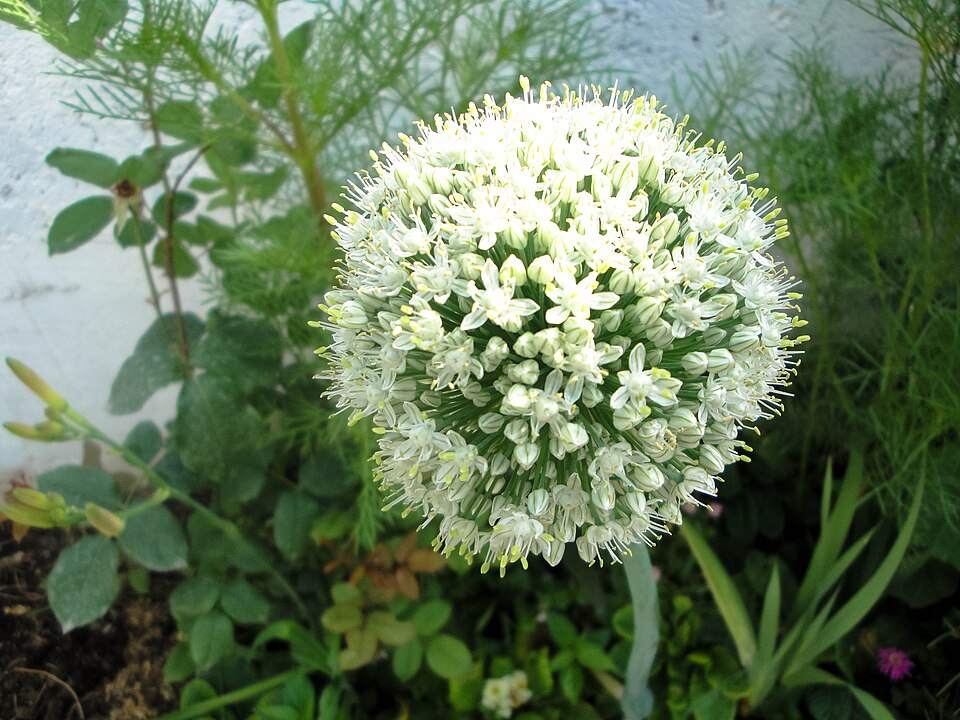

Onion is one of the richest sources of quercetin in the diet, mostly as glucosides, which are absorbed more easily than free quercetin.
Main chemical constituents
- Flavonols: quercetin-4'-glucoside and quercetin-3,4'-diglucoside
- Sulfur compounds: thiosulfinates and cepaenes
- Fructans
Active compounds (layer 3)
Evidence by use
| Use | Evidence level | Notes |
|---|---|---|
| Lower blood pressure (high-dose quercetin) | Preliminary evidence | Meta-analyses report a fall in blood pressure at doses of 500 mg of quercetin or more; the trials are small. |
| Help with lowering blood glucose | Preliminary evidence | Mostly small studies. |
Safety and precautions
- It is safe as a food.
- High-dose quercetin may interact with some drugs.
- It causes bad breath and bloating in some people.