
Sweet wormwood (thanh hao hoa vàng)
Artemisia annua L. · Asteraceae (daisy family) · Part used: Aerial parts, leaf
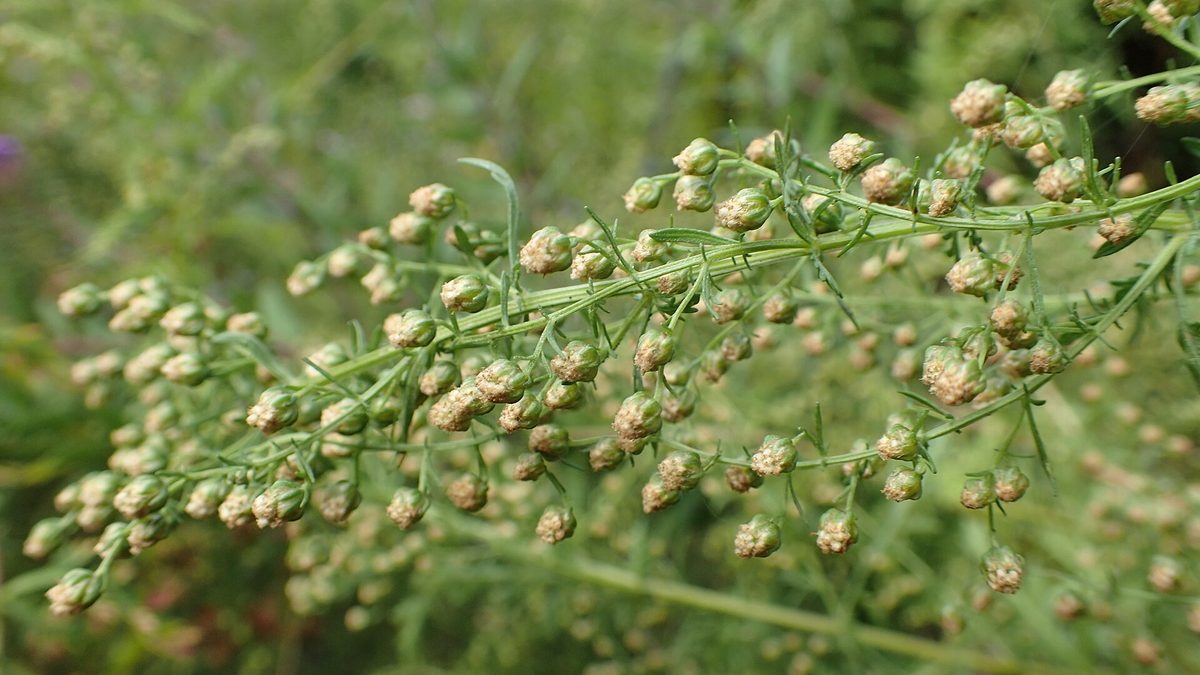

Thanh hao hoa vàng is the source of artemisinin, whose derivatives are the backbone of modern malaria treatment. The evidence therefore splits in two: strong for artemisinin-based combination therapy, and weak for the herbal tea, which the World Health Organization does not recommend.
Main chemical constituents
- Artemisinin, a sesquiterpene lactone with an endoperoxide bridge; the leaf holds only a small fraction of a percent to a few percent of it
- Artemisinic acid and dihydroartemisinic acid, biosynthetic relatives, and arteannuin B
- Flavonoids (for example casticin and artemetin) and an essential oil rich in artemisia ketone and camphor
Active compounds (layer 3)
Evidence by use
| Use | Evidence level | Notes |
|---|---|---|
| Uncomplicated falciparum malaria: artemisinin-based combination therapy (the pharmaceutical drug) | Strong evidence | A Cochrane review of head-to-head trials supports artemisinin-based combinations, such as dihydroartemisinin-piperaquine, as effective first-line treatment. This is a purified, dosed medicine, not the plant. |
| Malaria: herbal tea or whole plant | Preliminary evidence | A 2026 systematic review found early parasite clearance but a day-28 cure rate at least 84 percentage points below the benchmark for artemisinin combinations. It frames the tea as complementary at most, and safety data for children, pregnancy and liver or kidney disease are insufficient. WHO does not recommend it in any form. |
What the evidence applies to
The strong grade applies to registered artemisinin-based combination medicines, in which a purified artemisinin derivative is paired with a partner drug at a fixed dose. It does not apply to tea, plant-powder tablets or essential oil.
What would change this grade
The herbal-tea grade would move up only after randomised trials with measured artemisinin content and parasite-clearance and 28-day cure outcomes, with resistance monitoring.
Last reviewed: 9 October 2026
Safety and precautions
- Do not treat malaria with the tea or the plant. WHO advises against it because the artemisinin content varies, the dose is often too low to clear the parasite, and wide use could speed up artemisinin resistance. Seek proper diagnosis and treatment.
- As a daisy-family plant it can cause allergy in people sensitive to Asteraceae.
- Avoid in the first trimester of pregnancy, as a precaution; artemisinin-based drugs are used in pregnancy only under medical advice.
References
- Tu Y. The discovery of artemisinin (qinghaosu) and gifts from Chinese medicine. Nature medicine. 2011;17(10):1217-1220. doi:10.1038/nm.2471. PMID: 21989013
- Sinclair D, Zani B, Donegan S, et al. Artemisinin-based combination therapy for treating uncomplicated malaria. The Cochrane database of systematic reviews. 2009. doi:10.1002/14651858.cd007483.pub2. PMID: 19588433
- Nkola JMW, Zalagile PA, Mbutshu HL, et al. Phytochemical synergy in artemisia annua herbal tea against malaria: a systematic review of its efficacy and safety in the context of emerging Pfkelch13 resistance. Infectious diseases of poverty. 2026;15(1):87. doi:10.1186/s40249-026-01486-x. PMID: 42596018
- Klayman DL. Qinghaosu (artemisinin): an antimalarial drug from China. Science (New York, N.Y.). 1985;228(4703):1049-1055. doi:10.1126/science.3887571. PMID: 3887571
- World Health Organization. The use of non-pharmaceutical forms of Artemisia. Geneva: WHO; 10 October 2019. who.int