
Cranberry
Vaccinium macrocarpon Aiton · Ericaceae (heath family) · Part used: Fruit
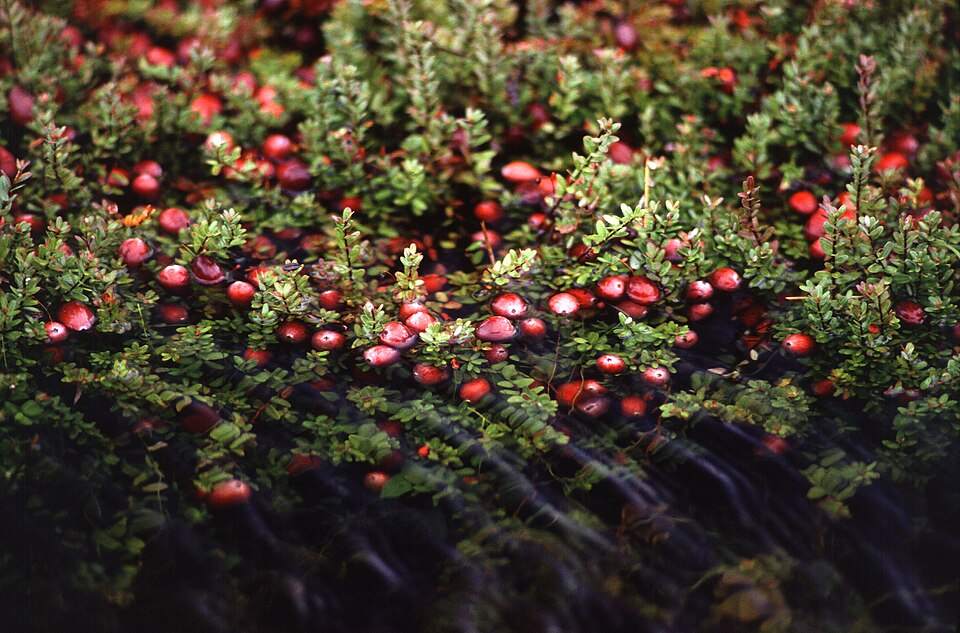

Cranberry contains A-type proanthocyanidins, which are thought to stop E. coli from sticking to the lining of the urinary tract.
Main chemical constituents
- A-type proanthocyanidins (procyanidin A2)
- Anthocyanins: cyanidin-3-galactoside
- Organic acids: quinic acid and citric acid
Active compounds (layer 3)
Evidence by use
| Use | Evidence level | Notes |
|---|---|---|
| Preventing recurrent urinary tract infection | Moderate evidence | A 2023 Cochrane review found a lower risk in some groups, such as women who have repeated infections; products differ. |
Safety and precautions
- It does not treat an infection that is already under way.
- Large amounts may cause diarrhoea and may raise the risk of oxalate stones.
- There are case reports of a raised INR in people who also take warfarin.
Related articles
References
- Williams G, Hahn D, Stephens JH, Craig JC, Hodson EM. Cranberries for preventing urinary tract infections. Cochrane Database Syst Rev. 2023;(4):CD001321.