
Oregano
Origanum vulgare L. · Lamiaceae (mint family) · Part used: Leaf and essential oil
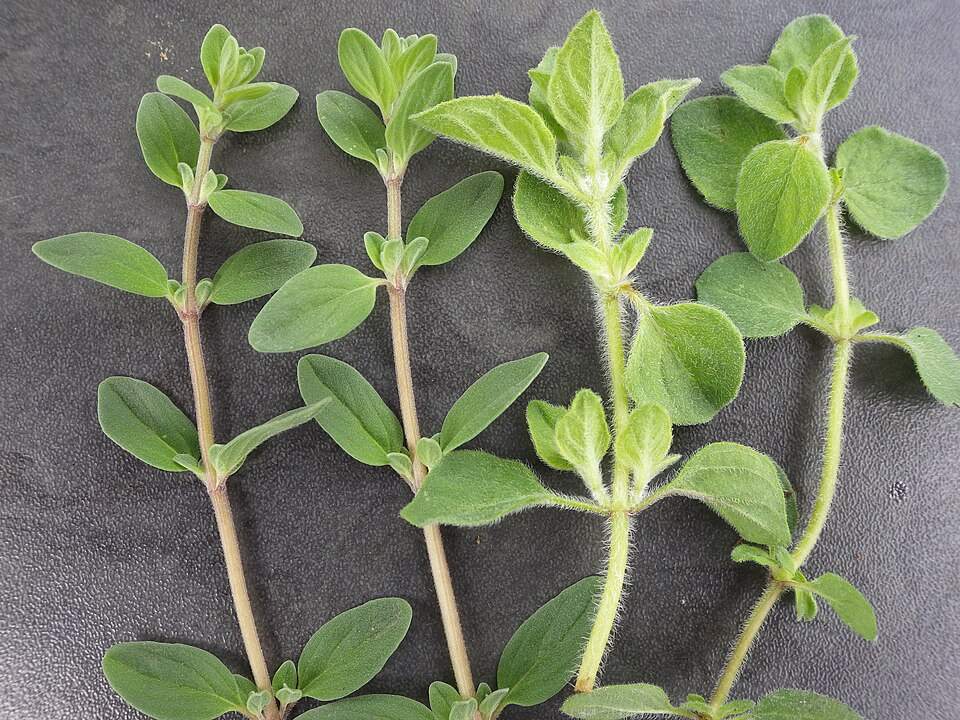

Oregano oil is rich in carvacrol and thymol, two phenolic monoterpenes with strong antibacterial activity in the laboratory. Human data are very limited.
Main chemical constituents
- Essential oil: carvacrol, thymol, γ-terpinene and p-cymene
- Rosmarinic acid and flavonoids
- Tannins
Active compounds (layer 3)
Evidence by use
| Use | Evidence level | Notes |
|---|---|---|
| Antibacterial activity in the laboratory (in vitro) | Preliminary evidence | It is strongly active against many bacteria, but there are no convincing clinical trials. |
| Help with digestion | Preliminary evidence | There are very few data. |
Safety and precautions
- Undiluted pure essential oil burns mucous membranes.
- Do not take medicinal doses in pregnancy.
- People who are allergic to the mint family may react to it.