
Japanese knotweed (hổ trượng)
Reynoutria japonica Houtt. (Polygonum cuspidatum) · Polygonaceae (knotweed family) · Part used: Root
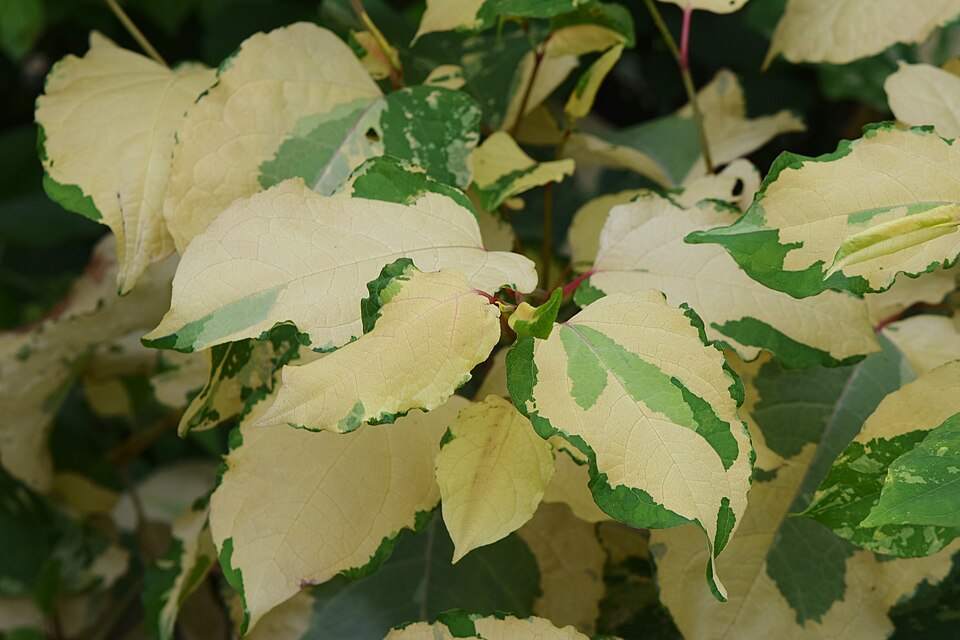

Japanese knotweed root is a commercial source of resveratrol. It also contains emodin, an anthraquinone with a laxative effect.
Main chemical constituents
- Stilbenes: resveratrol and piceid (polydatin)
- Anthraquinones: emodin and physcion
- Tannins
Active compounds (layer 3)
Evidence by use
| Use | Evidence level | Notes |
|---|---|---|
| Better cardiovascular markers (resveratrol) | Preliminary evidence | The effect is small and results are inconsistent. |
| Anti-ageing | Preliminary evidence | The data are mostly from animals and cells. |
Safety and precautions
- Emodin is a laxative and can cause diarrhoea.
- High-dose resveratrol may interact with anticoagulants.
- Take care in pregnancy.
Related articles
References
- Walle T, Hsieh F, DeLegge MH, Oatis JE, Walle UK. High absorption but very low bioavailability of oral resveratrol in humans. Drug Metab Dispos. 2004;32(12):1377–1382.