
Phyllanthus (diệp hạ châu)
Phyllanthus amarus Schumach. & Thonn.; P. niruri L.; P. urinaria L. · Phyllanthaceae (leaf-flower family) · Part used: Whole aerial plant
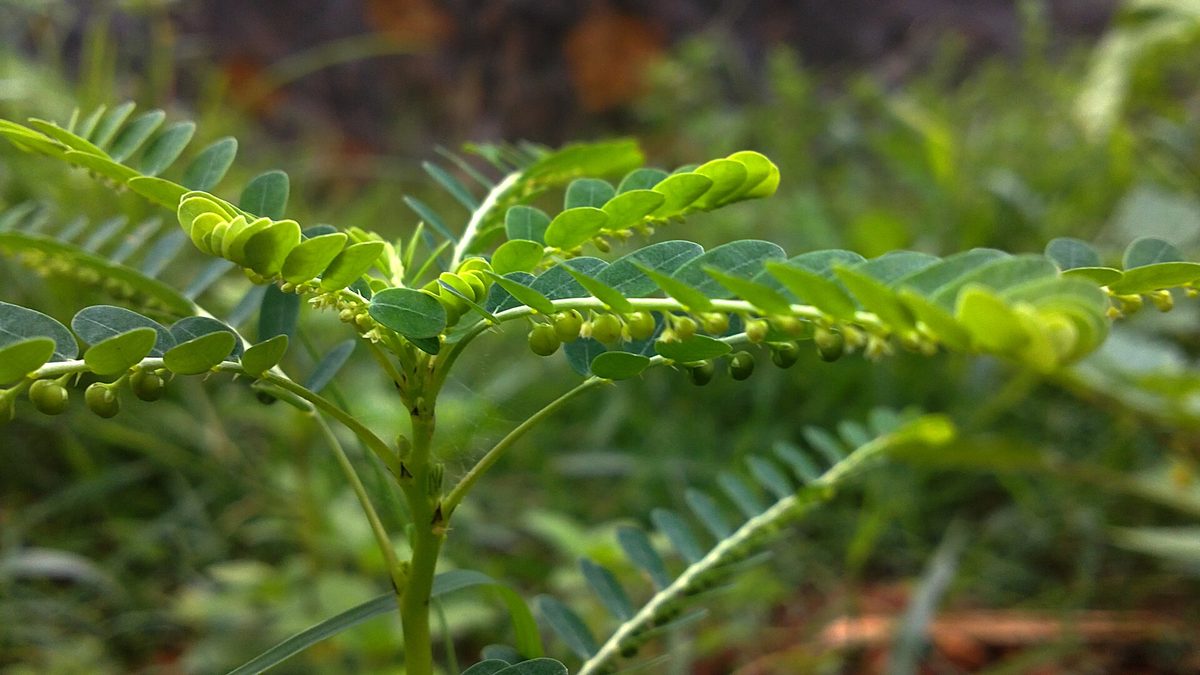

Diệp hạ châu is a small weed used across Asia and the tropics for the liver and for kidney stones. Its marker compounds are lignans such as phyllanthin. The clinical record is mixed: a large 2001 review was hopeful for hepatitis B, but a later placebo-controlled trial found no benefit.
Main chemical constituents
- Lignans: phyllanthin and hypophyllanthin, used to standardise extracts
- Hydrolysable tannins such as geraniin and corilagin
- Flavonoids such as quercetin and rutin
Active compounds (layer 3)
Evidence by use
| Use | Evidence level | Notes |
|---|---|---|
| Chronic hepatitis B | Preliminary evidence | A 2001 review of 22 randomised trials (1,947 people) found more HBsAg clearance than with placebo or no treatment, but 17 of the 22 trials were of low quality. A later double-blind trial of 50 people over 12 months found no difference in viral load and no HBsAg clearance. |
| Kidney stones | Preliminary evidence | A 2020 meta-analysis found only two eligible studies, with a modest reduction in stone size and number. A 2025 review of 16 human and rat studies reported mixed results and a possible role as an add-on after shock-wave lithotripsy. |
What the evidence applies to
Whole-plant preparations of several species (P. amarus, P. niruri, P. urinaria), which differ between trials and between products. The evidence does not cover purified phyllanthin or hypophyllanthin.
What would change this grade
Up: a large double-blind, placebo-controlled trial of one defined, standardised preparation in chronic hepatitis B, with HBsAg or viral-load endpoints. Down: further null results like the 2018 trial.
Last reviewed: 9 October 2026
Safety and precautions
- No serious adverse events occurred in the 12-month hepatitis B trial, and reviews of kidney-stone studies report good short-term tolerability. Long-term safety data are limited.
- It is not a substitute for antiviral treatment of hepatitis B. Anyone with hepatitis B or kidney stones should keep to their doctor's plan.
- Pregnant or breastfeeding women should avoid it, as a precaution, because safety data are lacking.
References
- Liu J, Lin H, McIntosh H. Genus Phyllanthus for chronic hepatitis B virus infection: a systematic review. Journal of viral hepatitis. 2001;8(5):358-366. doi:10.1046/j.1365-2893.2001.00307.x. PMID: 11555193
- Baiguera C, Boschetti A, Raffetti E, et al. Phyllanthus niruri versus Placebo for Chronic Hepatitis B Virus Infection: A Randomized Controlled Trial. Complementary medicine research. 2018;25(6):376-382. doi:10.1159/000484927. PMID: 30372693
- Dhawan S, Olweny EO. Phyllanthus niruri (stone breaker) herbal therapy for kidney stones; a systematic review and meta-analysis of clinical efficacy, and Google Trends analysis of public interest. The Canadian journal of urology. 2020;27(2):10162-10166. PMID: 32333735
- Iregui-Parra J, Rojas Ossa V, Arias Salazar CM, et al. Phyllanthus niruri in the management of nephrolithiasis: A systematic review of the literature. Actas urologicas espanolas. 2025;49(6):501791. doi:10.1016/j.acuroe.2025.501791. PMID: 40480426